
Rongheng: AI-Powered 3D, The Disappearing Line Between Digital and Reality
Rongheng uses Style3D to bridge digital and physical development, improving efficiency for apparel manufacturing and product decisions.
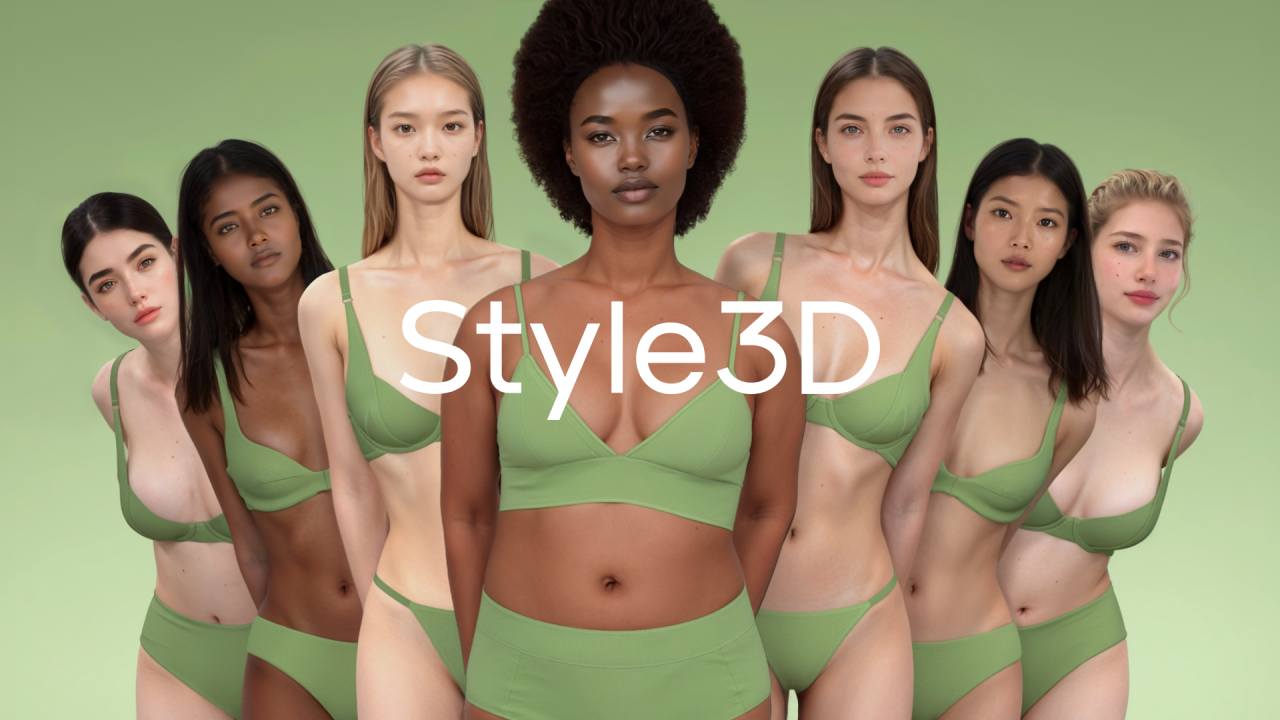
In today's competitive market, more and more fashion brands are embracing digital transformation, leveraging 3D technology to cut costs and improve collaboration. However, many companies hit the same roadblock: their 3D digital assets lack realism, limiting their usability. While designers and pattern makers can create 3D garment models, the gap between digital visuals and real-life garments remains significant. As a result, these models are often only useful for early-stage design decisions. For crucial style development, client presentations, and e-commerce launches, brands still rely heavily on physical samples—an expensive and time-consuming process that slows down business growth.
To bridge this gap, some companies have started using AI to enhance 3D visuals, improving both efficiency and quality. AI certainly brings surprises, but it also introduces challenges. Imagine using an AI tool to refine a 3D render, only to find that details like zippers, buttons, stitching, patterns, and textures have been unintentionally altered, requiring extra edits in Photoshop, which still may not fully restore the original design. AI-generated images also struggle with consistency across different angles—especially for garments with key design elements on the sides or back. On top of that, brands often find themselves juggling multiple platforms for 3D modeling, AI image generation, and post-processing, making the workflow fragmented and time-consuming. What the industry truly needs is a simple, powerful, all-in-one AI rendering and enhancement tool.

Style3D Studio V8.0 introduces a game-changing upgrade with the AI-enhanced rendering feature: iWish, pushing visual realism to a next level. This upgrade addresses the common challenges of traditional AI tools—lack of realism, inconsistent 3D-to-AI results, and complex workflows—delivering tangible business value and giving brands a competitive edge in digital transformation.
During style development, iWish generates highly realistic AI + 3D visuals, helping brands cut another round of sampling costs. Designers, buyers, and sales teams can preview entire collections earlier, making smarter decisions that align with consumer preferences and increasing the success rate of product selections. Additionally, brands can leverage these high-quality visuals for market testing before production, gathering consumer feedback and making adjustments faster and more efficiently.
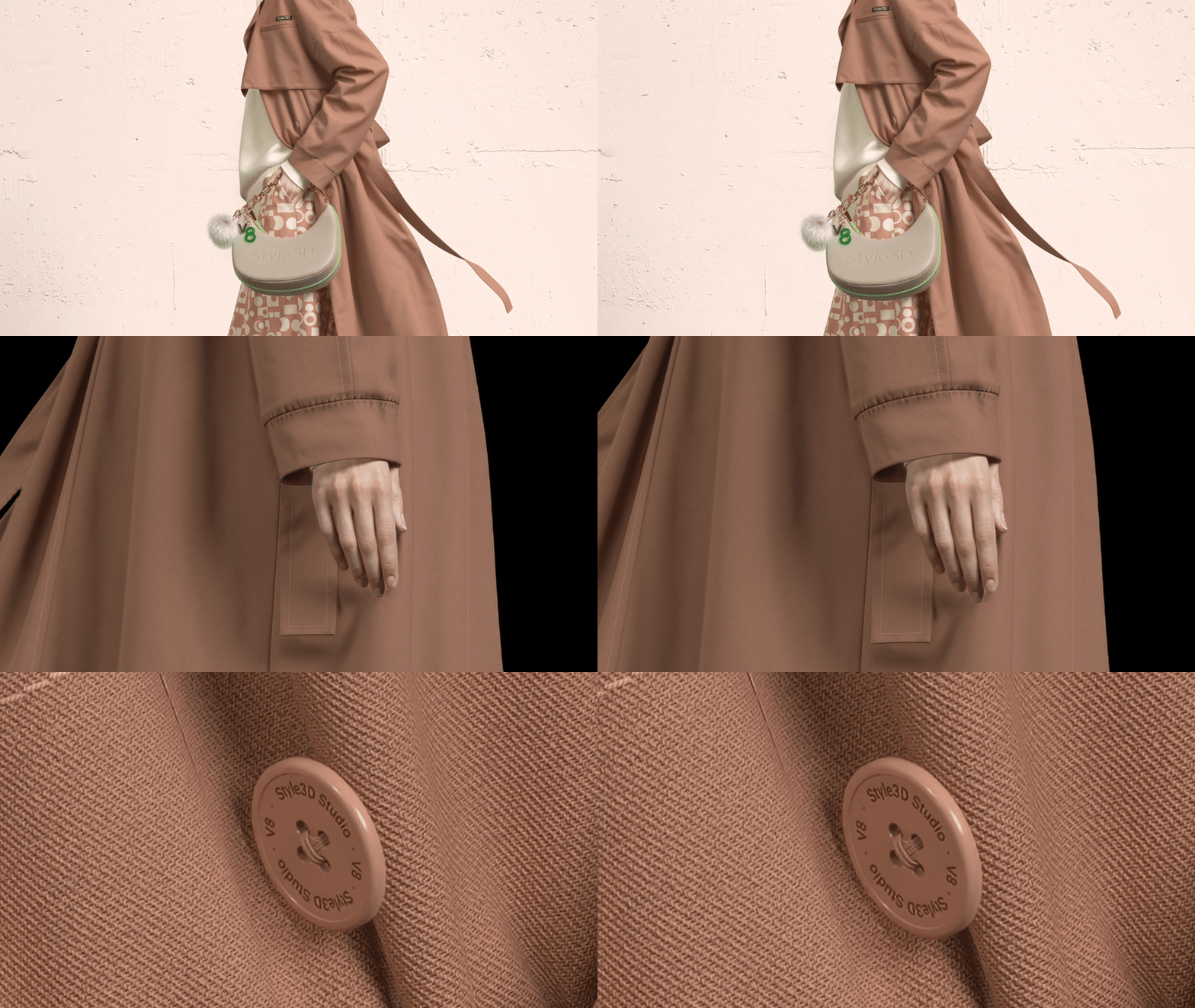
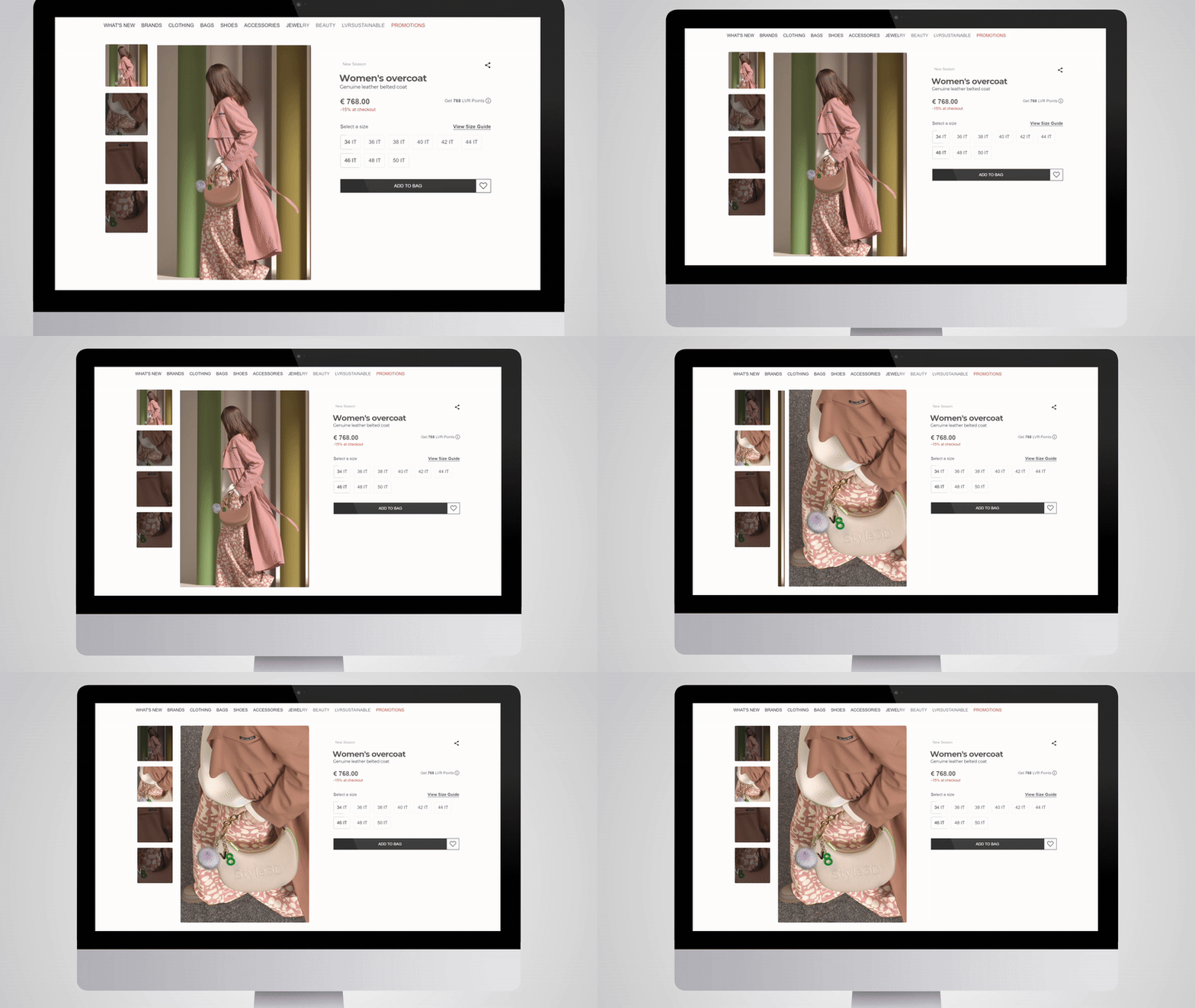
For e-commerce launches, iWish’s AI-driven model, garment, and scene generation capabilities produce visuals that rival real photoshoots—without the need for expensive models, locations, or scheduling coordination. This significantly cuts costs while creating high-quality, creative images that attract more customers and drive sales.
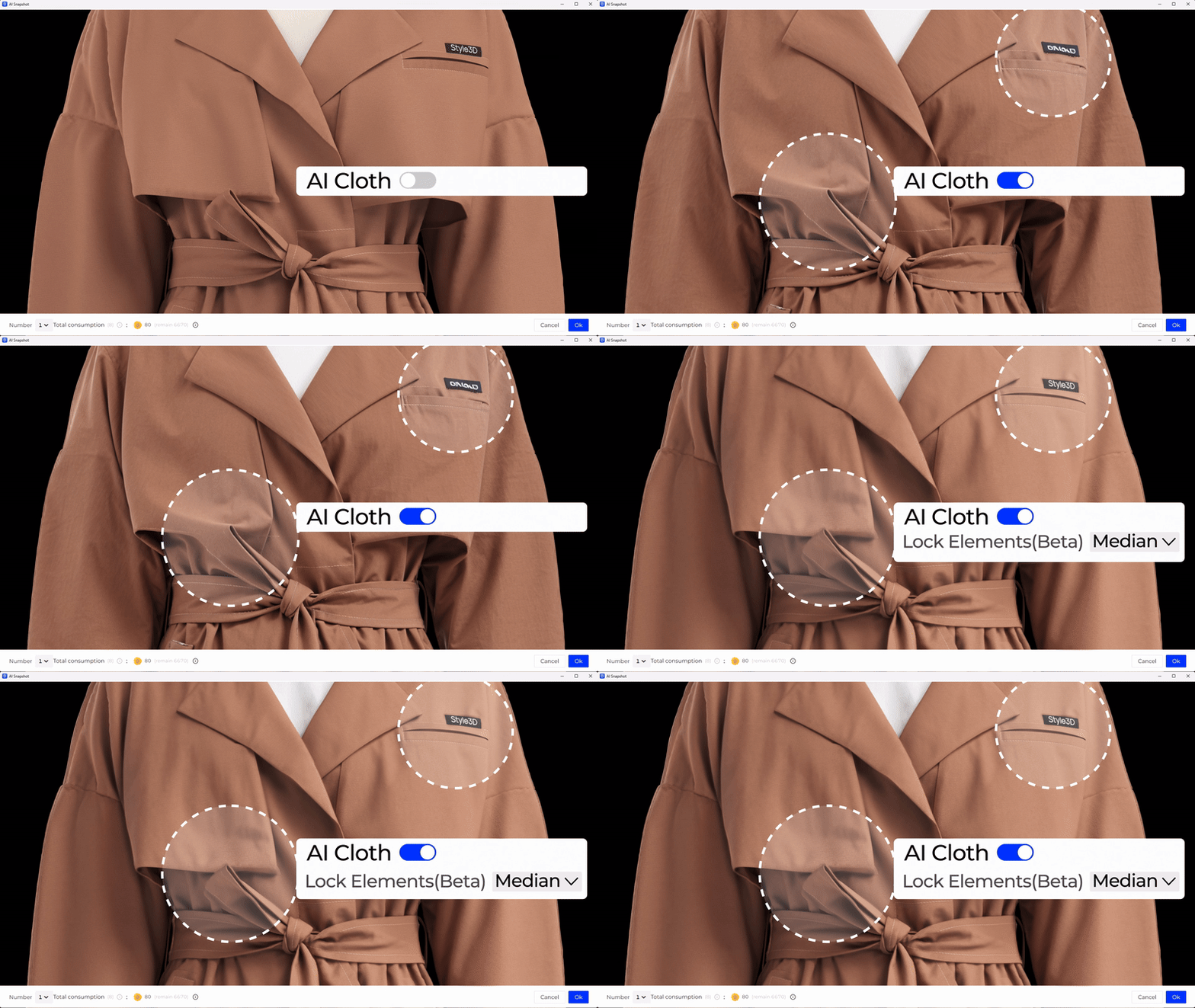
1. Maintains Garment Structure for Consistency
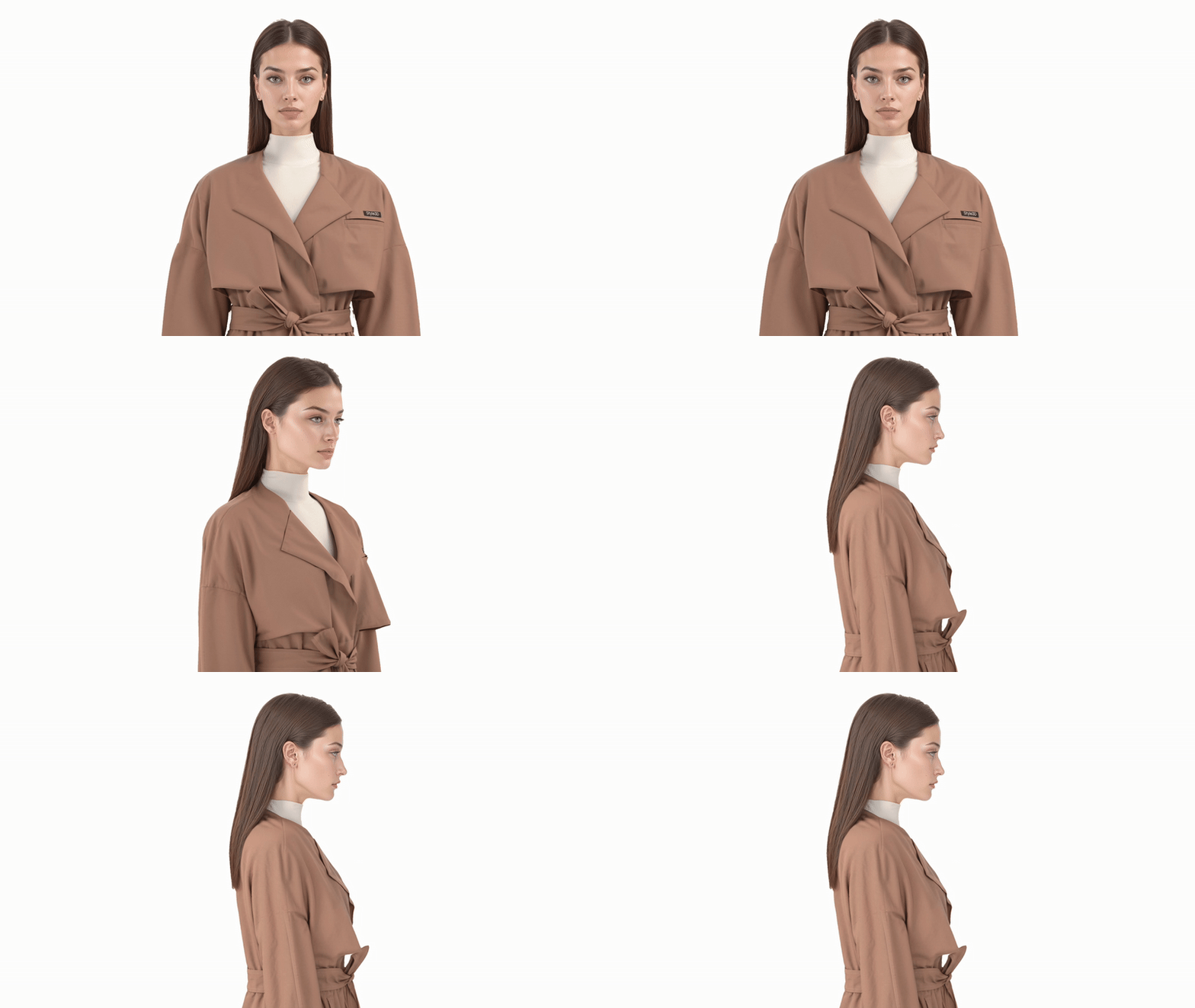
The “Lock Element” feature is a standout upgrade in V8.0 iWish. By activating it, brands can ensure that every design detail—whether it’s garment structure, accessories, or props—remains unchanged, no matter the model’s pose or camera angle. Whether it's a front, side, or back view, the AI-rendered images maintain perfect consistency, solving a major issue with traditional AI tools.
2. Industry-Leading AI Model Generation
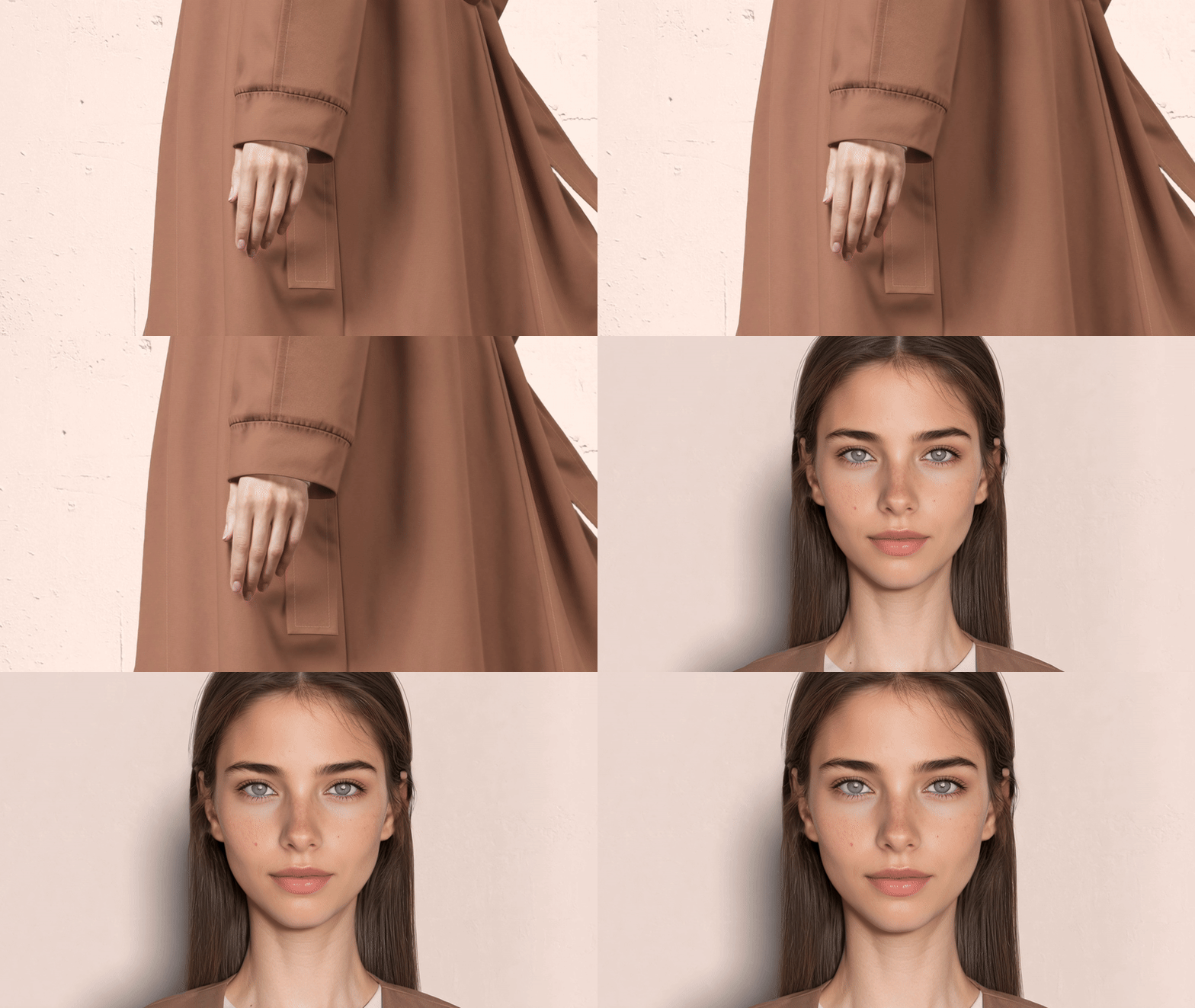
V8.0 iWish delivers extreme realism in AI-generated models, especially in tricky areas like fingers, toes, and joints—eliminating the common distortions found in traditional AI tools. Whether it's a close-up or full-body shot, front or side view, the model’s facial details remain sharp and lifelike, closely matching reference images and rivaling professional photoshoots.
3. Fast, Simple, and Workflow-Compatible
Another major advantage of V8.0 iWish is its effortless user experience. No need to tweak complex settings—just one click (or batch processing) generates each high-quality image in as fast as 10 seconds (up to 4K resolution). Paired with Style3D’s real-time Ray Tracing rendering engine, lighting, materials, and scenes update instantly, eliminating the long 20-minute waits for small adjustments seen in traditional rendering. If you already have 3D assets, using iWish is just as easy. The new version supports direct OBJ and FBX imports. Simply render them through iWish and you can achieve AI-enhanced results.
Import OBJ for iWish rendering
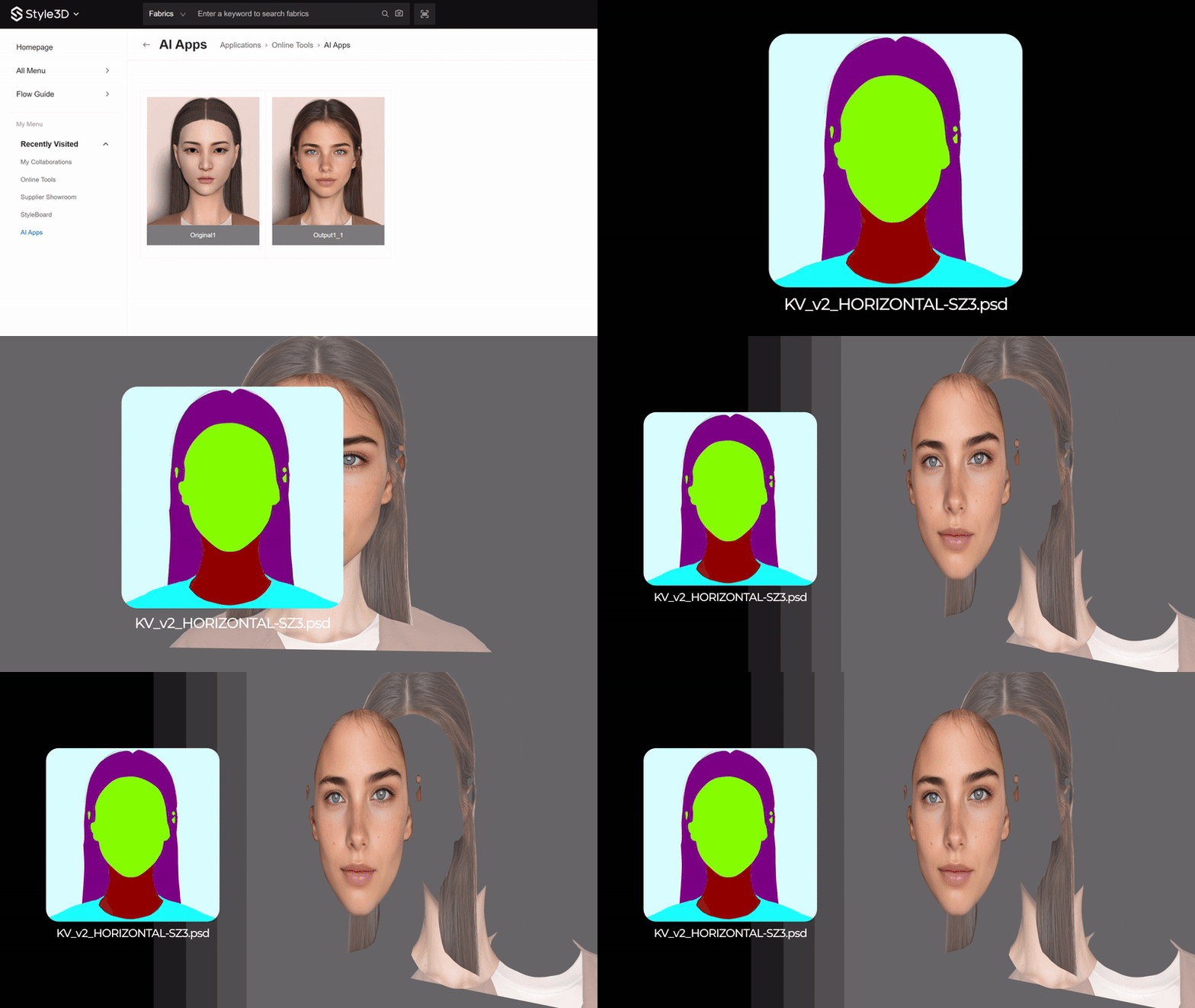
Additionally, V8.0 introduces PSD export with separate layers for garments and models, making post-editing faster and giving users greater control over the final image quality.
Style3D iWish has helped many fashion brands and manufacturers boost image quality, streamline style selection, and ultimately drive sales. Rongheng, a leading lingerie manufacturer and longtime Style3D client, recognizes the immense value of AI + 3D in transforming its business.
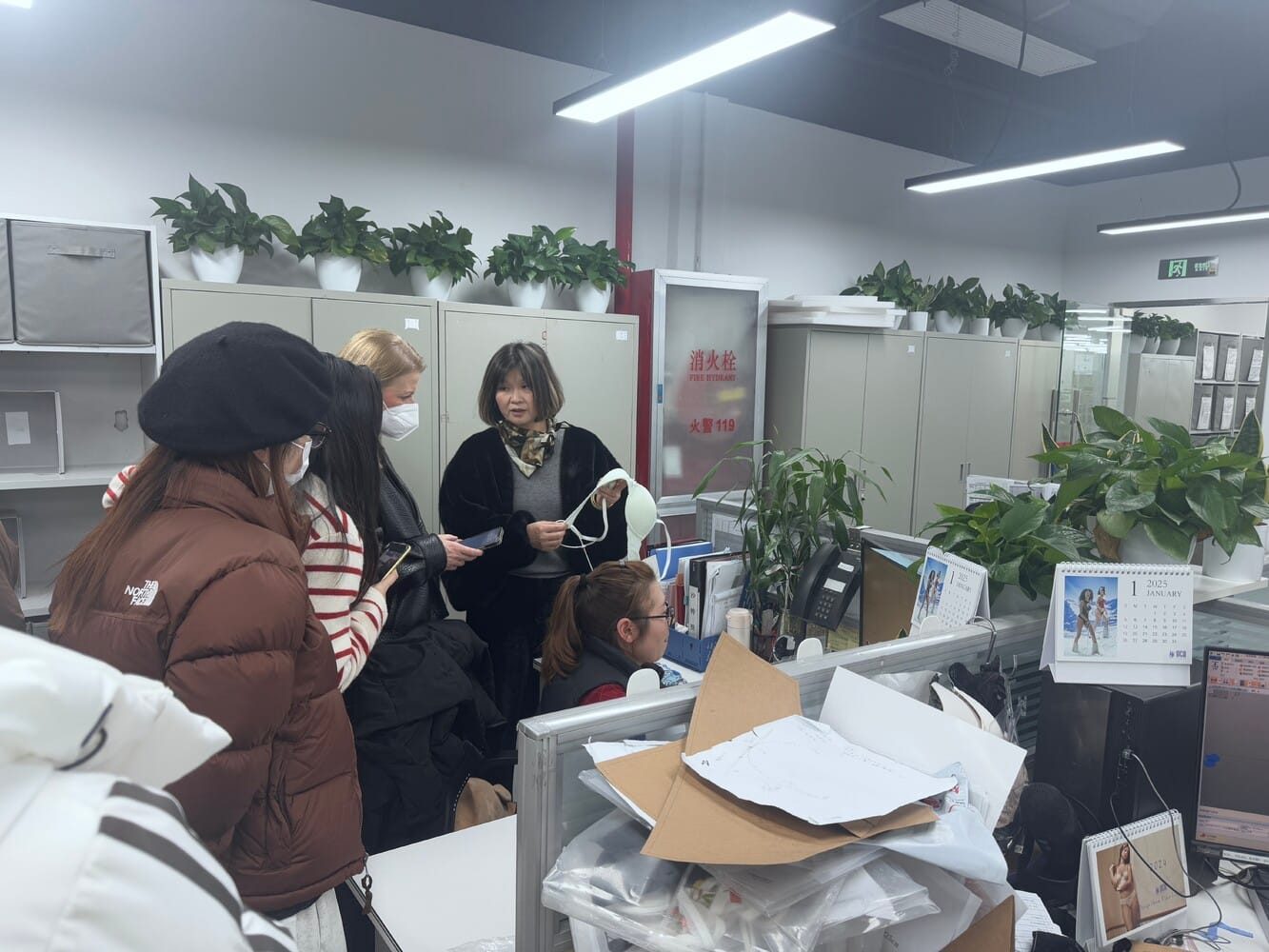
During style development, Rongheng uses Style3D for 3D prototyping, leveraging high-fidelity virtual fabrics and lace swatches to enhance communication and decision-making with overseas clients, speeding up order approvals. Style3D’s advanced simulation technology precisely replicates intricate fabric details, while our real-time rendering engine realistically showcases lace textures and transparency, making digital prototypes highly convincing.
With iWish’s AI enhancement, Rongheng now provides near-photorealistic lingerie previews and model shots even before production, improving client satisfaction. Encouraged by the positive market feedback, Rongheng shows confidence in its continued business growth.
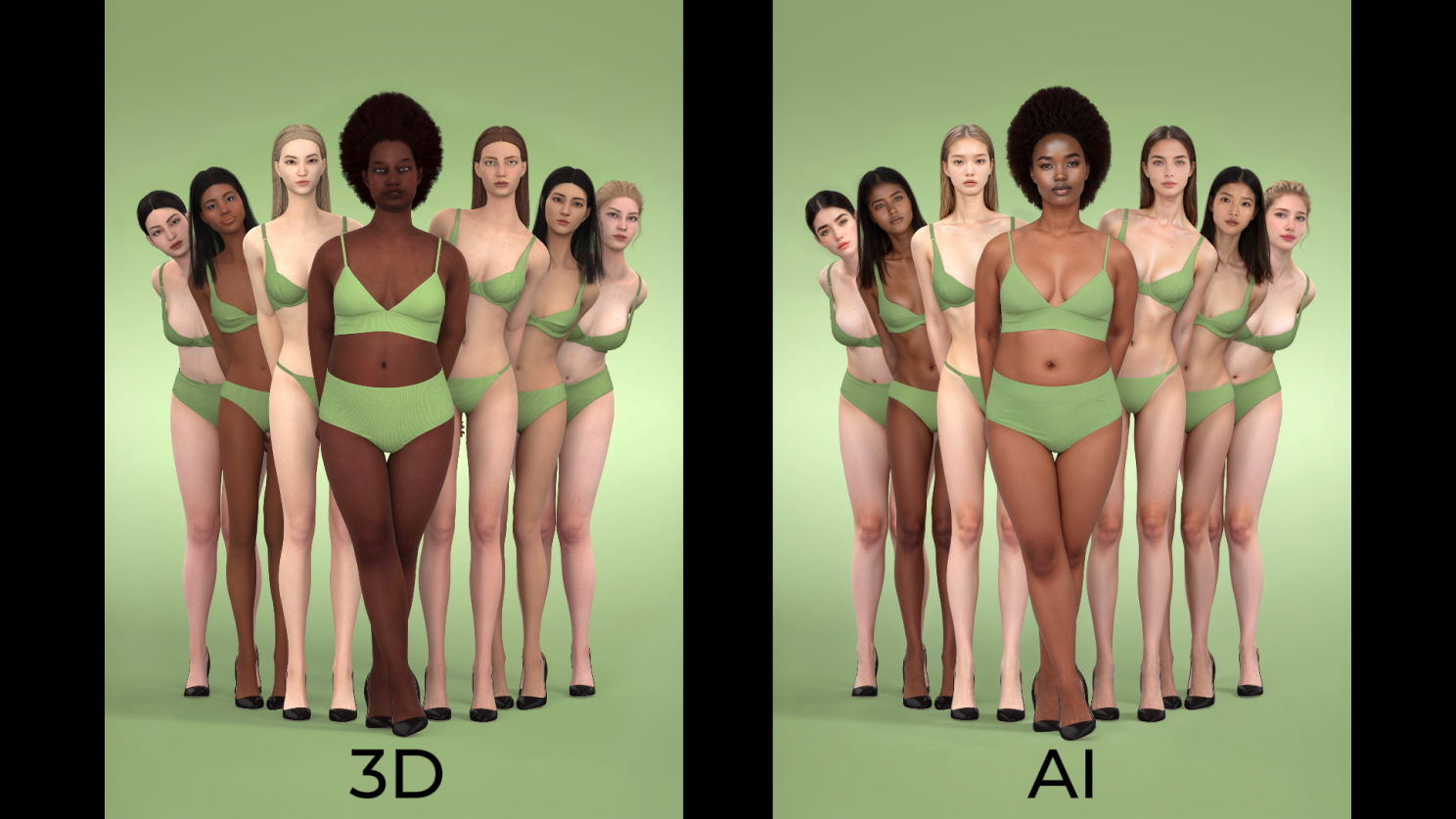
Following the launch of Style3D Studio V8.0, Rongheng plans to further extend its AI + 3D assets to clients for their marketing applications. And the company is eager to collaborate with Style3D to explore virtual fitting solutions. By integrating Style3D’s high-precision simulation and AI capabilities, Rongheng aims to tackle industry challenges and further reduce the high costs associated with model photography and physical fittings, ultimately improving efficiency and cost-effectiveness.
With the latest iWish upgrade, Style3D Studio V8.0 redefines the boundaries of digital realism—delivering precision and consistency in design details, one-click efficiency, and seamless workflow integration. It not only enhances the authenticity of 3D assets but also extends their commercial value into consumer-facing applications, pushing the industry closer to a “virtual is reality” future. As AI and 3D technology continue to evolve, Style3D remains committed to empowering brands with innovation, helping them stay ahead in the digital fashion revolution.
Ready to integrate Studio V8.0 into your business and make an impact? Book a demo by clicking below!
Subscribe to the Style3D newsletter for the latest insights, innovations, and industry updates.



Member discussion