Y-Star: Increasing Capacity by Around 67% and Delivering Orders in as Little as Five Days
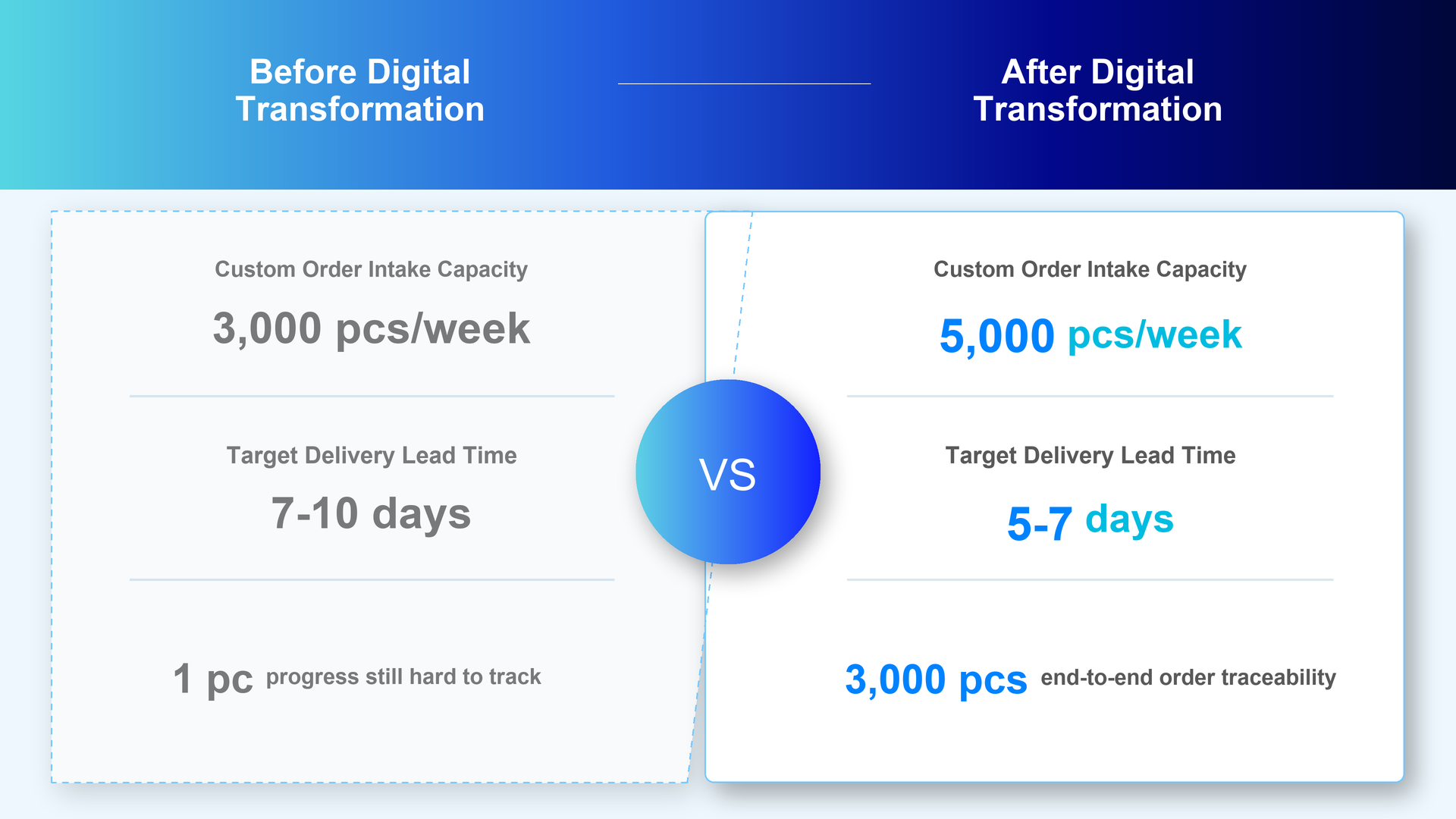
Y-Star used Style3D's AI and 3D workflow to turn complex custom teamwear orders into a traceable digital system, raising peak capacity by around 67% from 3,000 to 5,000 pieces per day and delivering orders in as little as five days.
As the global apparel industry moves faster toward intelligent and flexible manufacturing, a sportswear manufacturer in China has become a benchmark for digital transformation with a series of striking results.
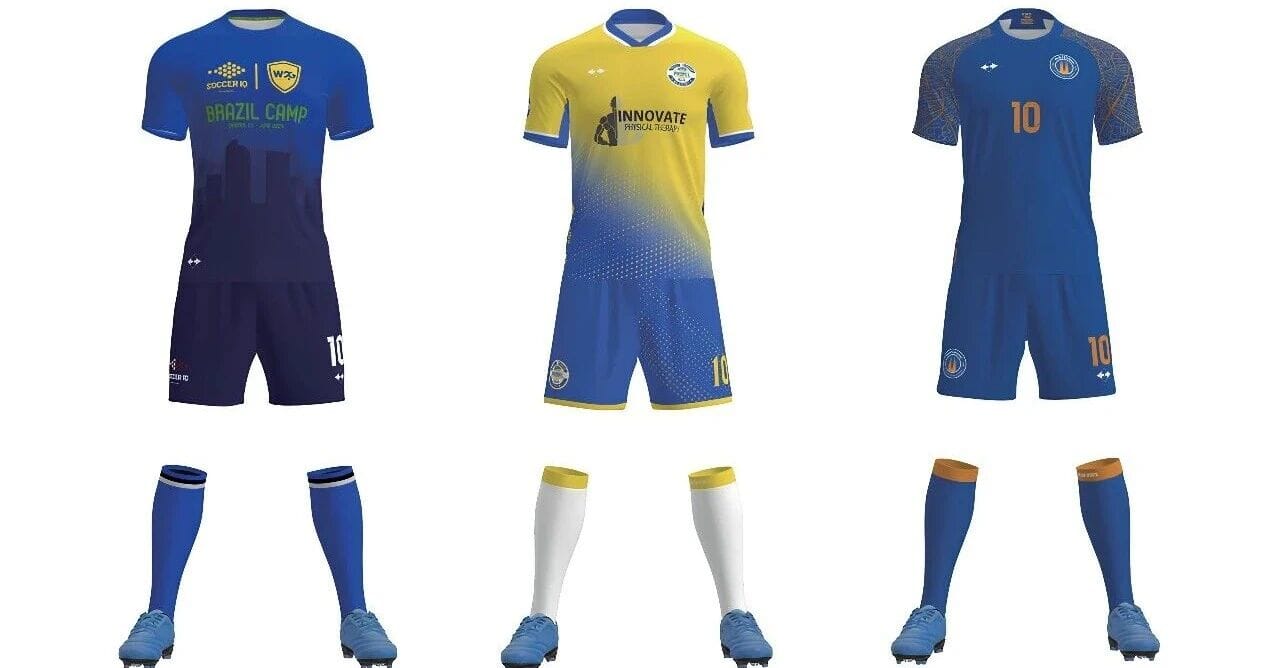
Based in Quanzhou, China, this sportswear manufacturer processes 3,000 orders a day. Every single item carries its own name, number, colorway, and graphic. This is not conventional mass production. It is personalized customization at scale.
"Take a day with 3,000 pieces, for example: that means 3,000 orders with different SKUs. During the same period last year, no one could clearly tell where any one specific piece or product was in the process," recalled Chen Zhenxing, General Manager of Y-Star, when describing the challenges the company faced before adopting Style3D.
The more the factory took on, the more it stood to lose. If even one item was missing out of 3,000 pieces, the delay on that single item could put the entire order at risk. Delays kept accumulating, and the factory remained under sustained operational pressure. Y-Star eventually realized that the problems of customized production could no longer be solved by "watching every person and every step." The entire workflow needed to be rebuilt around a new production logic.
First Shift: AI Turns Creativity into Reusable Industrial Rules
The real challenge in designing customized teamwear is not creativity, but scale. Each team jersey has different colors and graphics, and every player has a different name and number. Sales teams need to present visual mock-ups to customers in a very short time, then convert the approved design into production-ready files.
In the traditional model, this process depends heavily on the individual experience of designers. It is difficult to replicate and difficult to accelerate.
Style3D changed that logic. AI-assisted tools help generate design directions, allowing brand colorways, graphic styles, and pattern structures to take shape quickly. 3D templates turn the replacement of names, numbers, and logos into a structured batch operation instead of a manual one-by-one task.
Designers are no longer only executors. They become builders of rules. Each set of rules can drive the automated generation of hundreds or even thousands of orders.
Second Shift: 3D Digital Workflow Connects Design and Production
In most customized apparel factories, an invisible gap exists between design approval and production execution. Visual mock-ups from the sales side must be translated again into production files. Information is lost as it moves across teams, and errors accumulate from one step to the next.
Y-Star used technology to close this gap.
With Style3D, SKU data from the client side flows into the platform, 3D visualization supports customer confirmation, production data is generated automatically, and digital instructions cover each production node. The ERP system is fully connected. Across the entire chain, data remains continuous from beginning to end.
"Data from the brand sales side is transferred into the Style3D platform, and the system automatically generates order sheets for Y-Star. In Style3D, Y-Star uses AI-powered script automation to batch-generate images according to the requirements in those order sheets, then exports production packages with embedded data. From there, every production process becomes a controllable and traceable digital step," Chen explained when describing the digital workflow.
Each finished garment has a corresponding 3D texture map uploaded to the platform as proof of production authenticity. Each cut panel has its own unique QR code, enabling end-to-end traceability from printing and cutting to sorting, sewing, inspection, and packaging.
Brand customers no longer need to call for progress updates. They can open Style3D at any time and see exactly which production stage each jersey is in.
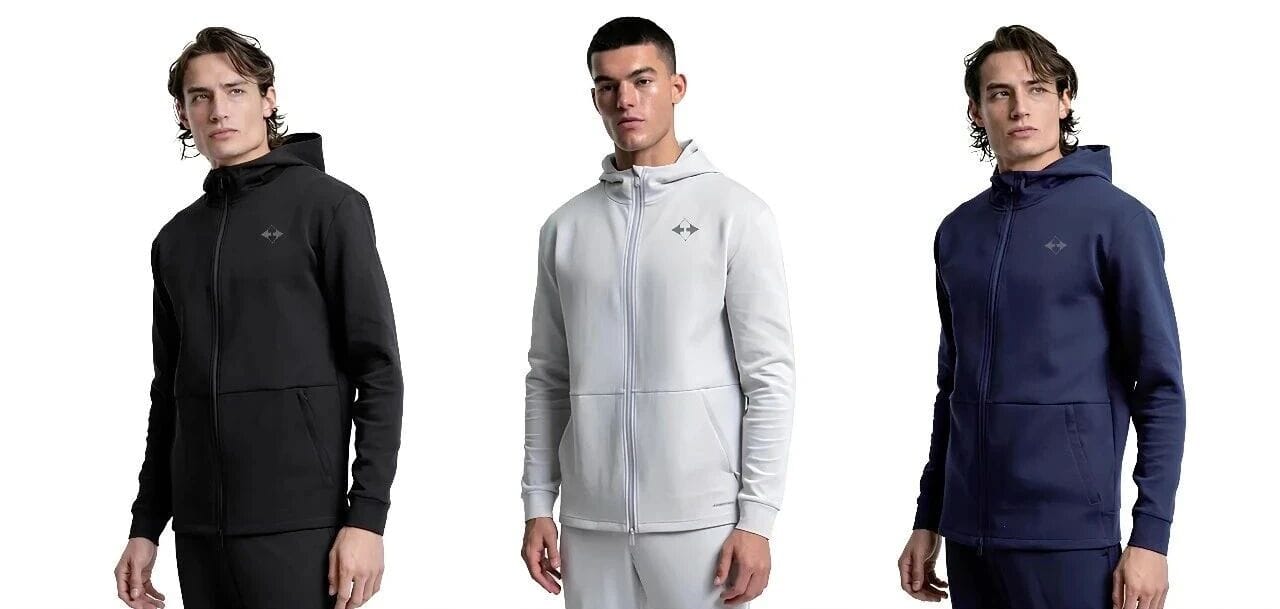
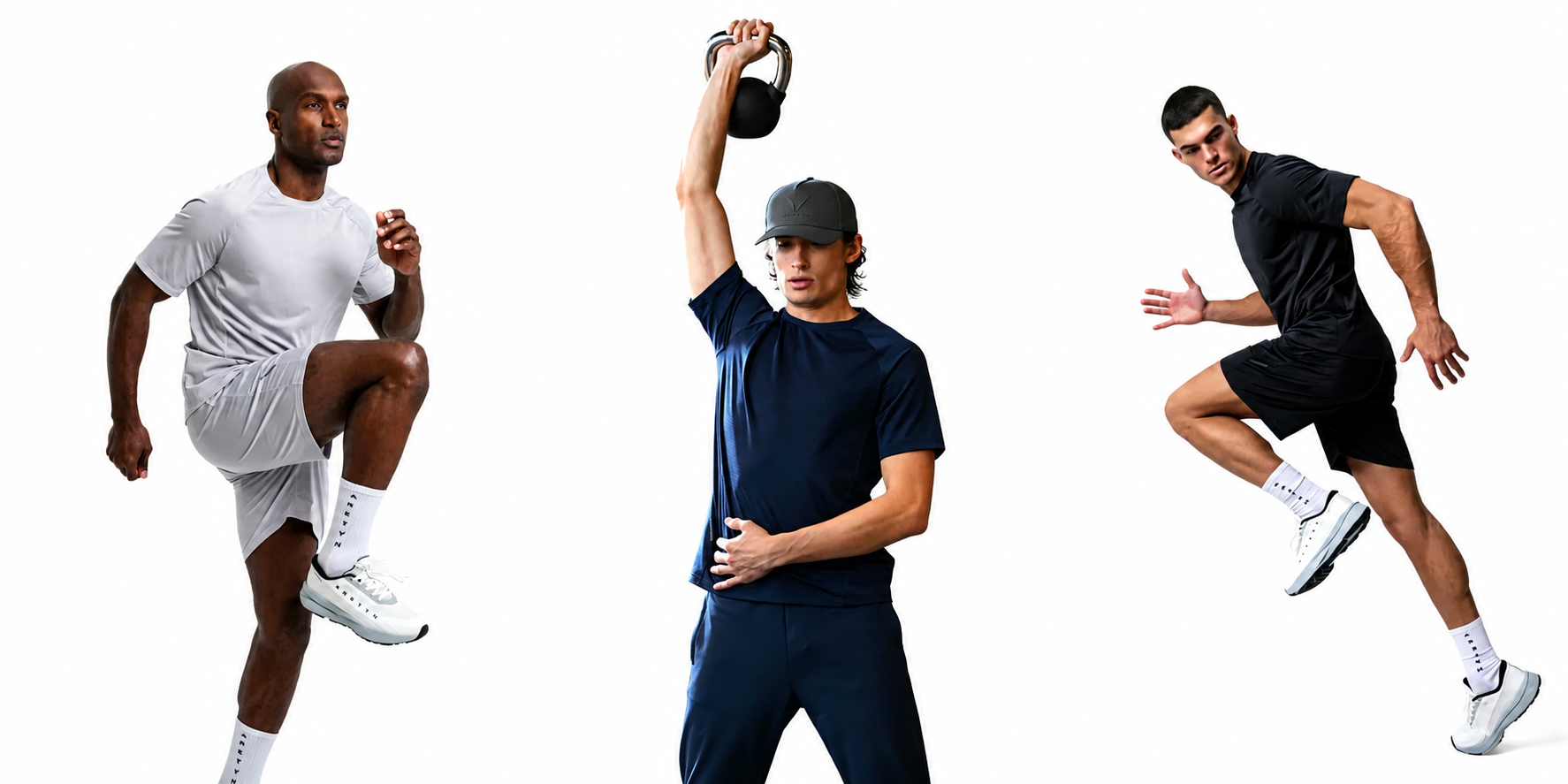
The value of this digital workflow has already been validated in overseas markets. Today, many of the product renderings displayed on the websites of U.S. underwear brand PSD and custom teamwear platform Aretyn are produced by Y-Star. The realistic look and feel of digital samples lets overseas customers see the final product before placing an order, significantly shortening the decision cycle across international communication.
Aretyn is a clear example. Supported by the digital system jointly built by Style3D and Y-Star, Aretyn has achieved automated coordination from order intake to production. It can process thousands of personalized orders at the same time and use QR codes for real-time tracking across the full workflow. Automated production data drives precise execution at each stage, reducing material waste and improving delivery efficiency.
Third Shift: Tacit Know-How Becomes Repeatable System Capability
The deeper challenge in customized manufacturing is that experience is hard to replicate. Professional technicians know how to handle special fabrics, how to create marker layouts that save material, and how to allocate production lines during peak periods. But this knowledge often lives in people's heads and cannot be transferred at scale.
Digital transformation changes that. When every production node has standardized digital instructions, and every product has a complete digital record, the factory no longer depends only on individual experience. It depends on a system capability that can be accumulated and iterated.
Benefited by this digital foundation, Y-Star can now handle peak production of 5,000 pieces per day with ease. It also keeps lead times firmly within seven days, often delivering one to two days ahead of schedule and leaving ample buffer for quality assurance. This result was not achieved by adding headcount in proportion to output. It came from using a digital foundation to absorb a higher density of order complexity.
At the end of the interview, Chen offered this evaluation: "Style3D has been a mentor and trusted partner on our company's digital transformation journey." This was not a polite compliment for a piece of software, but rather a recognition of a new production logic.
Y-Star's story is not the story of a factory that simply "started using new software."
It is the story of a manufacturer using AI and 3D technology to turn personalized customization at scale, long viewed as a contradiction, into an executable commercial reality.
Every QR code attached to a Y-Star cut panel, and every link in its digital traceability chain, now provides the data prerequisite for embodied AI to prosper within factories. For machines to learn to "understand" apparel, every production action behind a garment must first be completely recorded. As AI, 3D, and embodied AI rewrite the operating system of the apparel industry, Y-Star is not presenting an endpoint. It is offering a model for the starting point.
When the digital twin becomes the "nervous system" of the production line, and when every product has a complete digital identity, intelligent manufacturing is no longer a distant vision. It is already happening today.
Y-Star’s results show what becomes possible when apparel customization is no longer managed as disconnected manual steps, but as one continuous digital workflow.
With Style3D, teams can connect AI-assisted design, 3D visualization, automated production data, and real-time traceability across the full product journey. For manufacturers and brands facing shorter timelines, higher SKU complexity, and growing demand for personalized products, Style3D helps turn complexity into scalable capability.
Ready to build a faster, more intelligent apparel workflow?
Explore how Style3D can help your team accelerate design, streamline production, and deliver customized products with greater confidence.
Subscribe to the Style3D newsletter for the latest insights, innovations, and industry updates.
You might also like
Aug 27
Universidad Europea: Preparing Future Fashion Designers with AI + 3D
How Universidad Europea is using Style3D to connect digital fashion education, student creativity, professional presentation, and future-ready industry workflows.
8 min read
Jul 13
Carhartt WIP: Connecting PLM, 3D and Global Teams with Style3D
Carhartt WIP is connecting PLM data, 3D assets, digital twins and global teams with Style3D Cloud and StyleBoard, creating a more collaborative product development workflow across design, technical, sourcing and production teams.
5 min read
Jul 13
V9.3 Customer Story: How Three Fashion Teams Use AI + 3D to Move Faster from Design to Production
Three fashion teams use Style3D AI and 3D workflows to move faster from design ideas to review, fitting, materials and production.
4 min read
Jul 13
Wolf Lingerie: Transforming Lingerie Design with AI + 3D Innovation
Wolf Lingerie uses Style3D to bring AI and 3D innovation into lingerie design, improving speed, visualization and product development.
3 min read
Jul 13
SOHO FASHION: How AI + 3D Keep Design and Clients Perfectly in Sync
SOHO FASHION uses AI and 3D workflows to keep design teams and clients aligned through clearer visuals and faster product decisions.




Member discussion