
A moodboard becomes a collection brief when the team agrees what each garment must contribute. A stack of attractive images cannot settle that question. Start by translating the board into shared design rules, then compare candidates for specific range slots. The handoff should identify which concepts advance, which are redundant and which questions must be resolved before development.
The difficult decision often comes when three convincing images all propose essentially the same jacket. Choosing the most appealing image is not enough if the capsule still lacks a longer coverage option or a lighter layer. The brief must preserve the creative direction while giving each selected garment a distinct reason to exist.
Turn the board into constraints before choosing images
Consider a hypothetical transitional commuter outerwear capsule. Its inspiration board combines dark urban architecture, pale stone surfaces and small rust-colored details. The intended wearer needs adaptable pieces for the journey between outdoors and indoor settings.
Those references suggest a direction, but they do not yet define garments. For this example, the team translates them into the following brief:
- Palette: ink as the core, stone as the neutral and rust restricted to a small accent rather than a third full-color story.
- Fit and layering intent: clean outer silhouettes with room for the intended everyday layer; the short jacket and coat are not to become oversized statement pieces.
- Material preference: investigate a matte woven family already used by the business, subject to sourcing confirmation of the appropriate swatch and finish.
- Range roles: a hero short stand-collar jacket, a longer midweight coat for more coverage and a light overshirt for layering or a possible entry-price role.
These are example targets, not researched market findings or confirmed material specifications. In particular, “already used by the business” does not establish that a suitable version is currently available in the required color, finish or quantity.
The team should also separate invariants from open decisions. The restrained palette, clean-front character and three distinct wearing roles can remain fixed for this review. Exact pocket construction, closure specification, fabric weight and the overshirt’s commercial tier remain open. This prevents a concept image from accidentally settling a question that nobody has investigated.
For the wider process of balancing and evaluating a range, see Style3D’s fashion styling and collection planning guide.
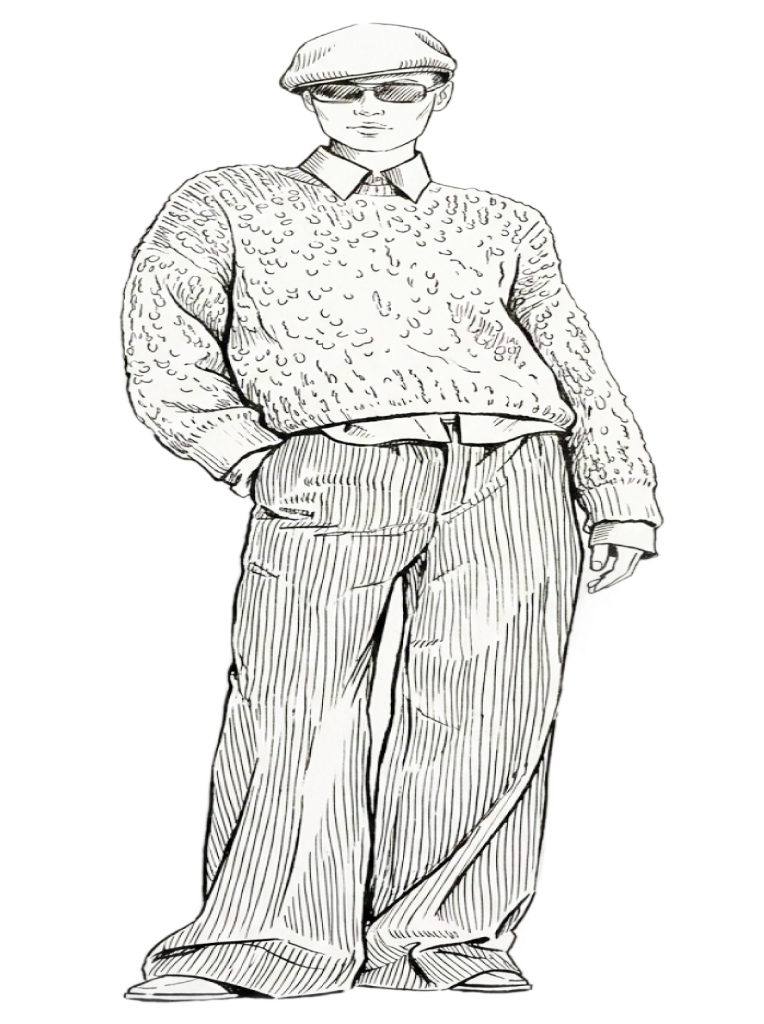
Three good jackets may still fill only one slot
Suppose the first exploration produces three compelling short jackets. Candidate A has a clean front and stand collar. Candidate B has almost the same proportions, with a rust zipper detail. Candidate C is slightly more cropped and uses more visible hardware.
All three belong to the moodboard. That does not make them three complementary styles.
StyleWork by Style3D is relevant at this exploration stage. Its EU page describes an AI + 3D design and development platform, including a design workflow for building collection direction from brand and trend insights, exploring possibilities and bringing styles, outfits and themes together to identify gaps. Use that stage to explore candidates. The design and merchandising team makes and records the assortment decision.
In the hypothetical review, Candidate A advances because its clean front most directly expresses the hero jacket’s role. Candidate B’s useful rust detail is retained as a reference within that same slot, rather than becoming a second style. Candidate C is parked: its cropping and hardware change the expression, but do not yet establish another wearing job.
Merging candidates here means consolidating their useful ideas in the brief. It does not mean that their images have been converted into one editable garment, or that a selected trim detail is technically resolved.
The comparison becomes clearer when the team places Candidate C beside a light overshirt proposal. The cropped jacket mainly offers another treatment of the hero. The overshirt potentially provides a lighter layer and a different commercial role. Its image may be less dramatic, yet it contributes more to the intended capsule.
This is the editorial judgment that generation alone cannot replace: deciding whether a difference is meaningful to the range or merely visible in the picture.
Use one bounded exploration to fill the actual gap
After advancing the hero, the team should not request another broad batch of “commuter outerwear.” That could produce more versions of the strongest visual motif while leaving the same slot unresolved.
If the light overshirt is missing, direct the next exploration at that job alone: a lightweight layering piece, stone-led, restrained in detail, visually distinct from the structured short jacket and compatible with the capsule’s intended underlayer. Keep the coat and hero decisions unchanged during this exploration.
The result should be judged against the uncovered role. Does it read as a lighter layer? Does it introduce a useful proportion rather than another short outer jacket? Is its proposed simplicity consistent with investigating an entry-price position? The last question remains a merchandising hypothesis until the relevant commercial and sourcing checks are complete.
A bounded request also makes rejection useful. If the result still looks like a structured jacket, the team can identify the failed distinction and rework that slot without reopening the entire collection direction.
Write the brief as decisions with named checks
The following representative record turns the hypothetical review into a handoff. “Advance” authorizes the team to investigate fit, materials, cost and construction in development.
| Slot and candidate | Role and direction | Decision and reason | Owning role and next check |
|---|---|---|---|
| 01: Candidate A, clean-front short stand-collar jacket | Hero outerwear. Ink core; matte woven preference; room for the intended everyday layer. | Advance. Establishes the capsule’s clearest design identity without competing details. | Technical designer: define the layering reference and check whether the proposed proportions support it. |
| 01 reference: Candidate B, contrast-trim short jacket | Alternative treatment of the hero, not another range slot. Retain rust as a possible controlled accent. | Merge into Slot 01’s references. The trim is potentially useful, but the garment repeats the hero’s role. | Design lead: decide whether the accent strengthens the clean-front direction before detail development. |
| Parked: Candidate C, cropped hardware-led jacket | Near twin of the hero with a more pronounced styling treatment. | Hold. No distinct wearing or commercial role has been established. | Merchandiser: reopen only if a separate customer use or tier is identified. |
| 02: Candidate D, longer midweight coat | More coverage. Ink-led; investigate a suitable member of the preferred woven family rather than assuming the jacket fabric will work. | Advance conditionally. Fills a coverage role that the short jacket cannot. | Sourcing lead: confirm a viable swatch, finish and relevant minimum order quantity. Technical designer: review the intended layer relationship. |
| 03: Candidate E, light overshirt from bounded exploration | Stone neutral; lighter layering role; possible entry-price position. | Rework. The direction fills a gap, but the current image still reads too much like the hero jacket. | Design lead: clarify the lighter character. Merchandiser: confirm a distinct tier and assortment role before advancement. |
The record keeps three accepted range slots without pretending all three are equally ready. It also preserves why attractive alternatives did not advance. That explanation matters when someone later proposes restoring Candidate C: the team can assess whether new information changes the decision rather than repeat the original image preference debate.
Material direction deserves the same discipline. A generated surface can suggest matte texture or lightness, but sourcing must connect that intention to a viable swatch and finish. Technical design must assess the layering proposition. Merchandising must determine whether the overshirt’s intended tier and role are credible. These responsibilities belong in the brief, not in assumptions inferred from the image.
Close the review with a revision and reopening rules
For this example, the design lead issues Capsule Brief R1 and maintains it. The record includes the board revision, candidate image identifiers, the three slots, the decisions above and the unresolved checks.
Each open item needs a return point. Sourcing findings return before material direction is treated as fixed. The technical designer’s layering review returns before the silhouette is accepted for further development. The merchandiser’s tier decision returns before the overshirt is counted as a confirmed commercial option.
Reopen a decision when its basis changes: the preferred material is unavailable, the finish changes the intended character, the minimum order quantity conflicts with the planned range, the layer relationship requires different proportions, or the overshirt cannot sustain a distinct role. Do not reopen the entire capsule merely because another appealing image appears.
The handoff is complete when the receiving team can identify what each slot is for, which candidate represents it, what remains provisional and who must return with evidence. The moodboard remains the creative reference. The brief becomes the working agreement.
Frequently asked questions
How many AI concepts should be kept for each slot?
Keep the selected direction and only the alternatives that preserve a meaningful unresolved choice. In this example, the hero retains a trim reference, while the near twin is parked with a reason. Keeping every generation as an equal contender would obscure the decision rather than enrich it.
Can one preferred fabric family cover the whole capsule?
It can remain a shared preference, but not an assumption that one fabric suits every role. The short jacket, longer coat and light overshirt have different intended jobs. Ask sourcing and technical design to investigate appropriate materials within the direction, and record where that preference must change.
Should the team build every selected concept in 3D before agreeing the brief?
No. At this stage, the team needs enough evidence to agree the roles and authorize the next investigations. A targeted development asset may help resolve a specific question, but building every attractive candidate would avoid the selection decision rather than complete it.
What should happen to an open slot at handoff?
Keep it visible as open or rework, with its purpose, missing evidence and owner recorded. A range can be directionally agreed without presenting every slot as technically or commercially approved. The receiving team should know exactly what would allow that slot to advance.
