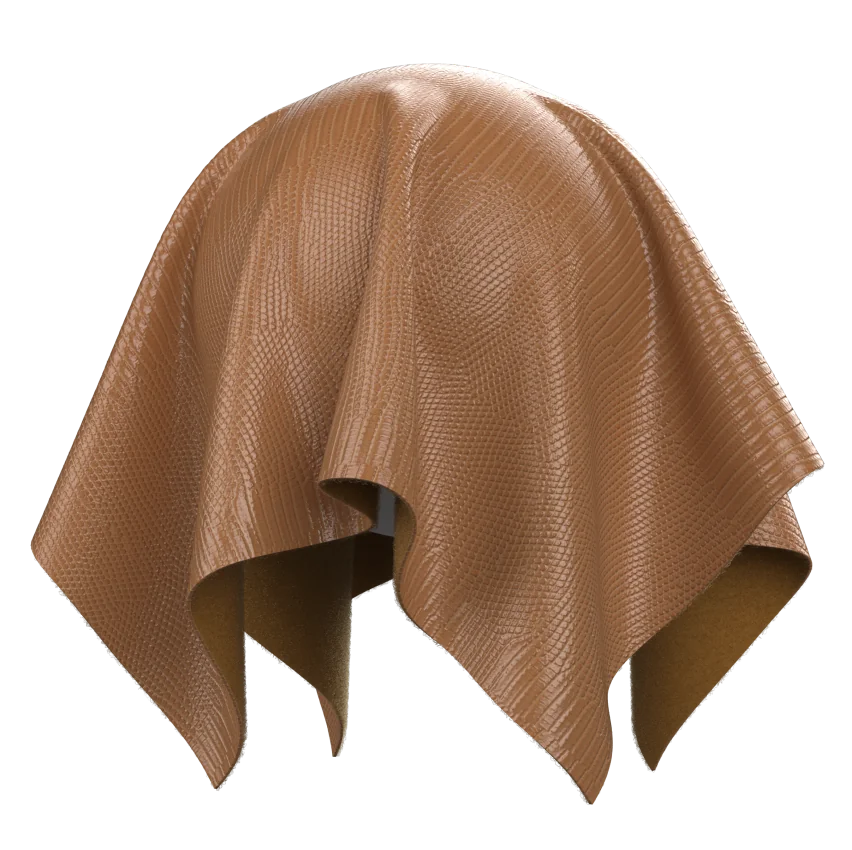
As of mid‑2026, both textile engineering research and 3D graphics communities are converging on more rigorous mechanical testing for fabrics, including denim, to drive believable simulations of shear, bend, and stretch behaviour in digital garments. Recent studies on denim mechanical properties and cloth simulation standards highlight that surface weight alone is not enough; structured drape emerges from a combination of fabric areal density, weave architecture, yarn elasticity, and calibrated shear/bend stiffness in the solver. For apparel teams adopting 3D and AI workflows in 2026, this calibration work is now a core skill, not a niche concern.
cloth self-intersection vertex tearing repair.
Why Heavy Denim Needs Specific Shear and Bend Calibration
Heavy denim behaves very differently from lightweight sateen or silk because its twill weave, yarn diameter, and finishing processes create pronounced resistance to bending and shearing. Textile performance research on traditional denim shows that its areal density and twill structure produce high flexural rigidity, which is why jeans stand up on their own far more readily than fine shirting. In mechanical testing, denim consistently shows larger bending moments for a given curvature compared with lighter fabrics, underscoring the need for higher bend stiffness parameters in a cloth solver.
Shear behaviour is just as important. Denim panels resist skewing along the bias until forces surpass a certain threshold, after which they deform in more discrete folds rather than smooth waves. Studies on denim strength and elasticity document this non‑linear response, noting that yarn twist and finishing treatments alter how the twill lines move under load. For 3D apparel teams, this means that using default shear values tuned for general wovens will under‑represent the structured, blocky folding that defines raw industrial denim.
In practice, uncalibrated denim renders often look like heavy chambray: too much bias softness, insufficient knee break structure, and excess pooling around hems. When pattern makers import a jeans pattern and see the thigh and seat behave like a soft melange knit, the underlying shear/bend settings are almost always too low. Calibrating these parameters from lab data lets you capture the hallmark qualities of rigid twills: straight leg silhouettes, stable waistband drape, and controlled stacking above the shoe.
From Lab Tests to Solver Inputs: A Step-by-Step Framework
Textile testing for denim typically produces a set of physical metrics: fabric weight (areal density), thickness, tensile strength, elongation at break, bending length, bending rigidity, and sometimes shear rigidity from standardized tests. Foundational engineering texts on denim performance describe how these parameters are measured using devices such as cantilever bending testers and shear frames. The challenge for digital fashion teams is translating those numbers into simulation inputs.
A practical workflow starts with consolidating mechanical test results into three buckets: bending, shear, and stretch. Bending rigidity per unit width becomes the starting point for your solver’s bend stiffness parameter. Shear rigidity, often expressed as torque per unit angle and area, maps to shear stiffness. Tensile data and elongation curves guide your stretch settings along warp and weft. Rather than copying values directly, teams scale them into solver‑friendly ranges using manufacturer or platform guidance, ensuring that the relative ratios between fabrics — denim vs. silk, twill vs. interlock — remain intact.
One effective framework is to define a “reference fabric” representing a mid‑weight apparel twill with known lab values and simulation behaviour. Heavy denim parameters are then expressed as multiples of that reference: for example, two to three times the bend stiffness and significantly higher shear resistance up to a certain strain. Research from cloth simulation in computer animation shows that this relative calibration approach produces more stable results than trying to fit every lab metric into the solver one‑to‑one. By focusing on ratios, you preserve the qualitative differences between categories while staying within numerically stable ranges.
Visual Slider Workflows: Comparing Silk and Raw Denim in Real Time
Once baseline stiffness values are derived from lab data, interactive tools like visual sliders become powerful calibration instruments for designers and technical artists. Cloth simulation research demonstrates that artists often refine material feel by adjusting stiffness multipliers while observing drape around dynamic poses or motions. For apparel teams, this can be formalized into a controlled slider workflow that compares soft and rigid fabrics side by side.
A typical setup might load two garments on the same avatar: a bias‑cut silk dress and a raw denim straight‑leg jean. Silk would use low bend and shear stiffness, producing flowing, continuous waves with minimal energy required to curve the fabric. Denim would use much higher bend stiffness and selective shear resistance, producing sharp knees, defined stacking, and minimal hip pooling. As sliders adjust stiffness parameters, the team watches specific cues: how quickly the silk collapses into graceful folds versus how long the denim maintains planar panels before creasing.
This visual comparison is more than aesthetic. It helps pattern developers and simulation specialists communicate about numeric ranges using tangible references. When someone says, “the denim needs to feel one click stiffer in bend but the same in shear,” the slider mapping to underlying coefficients ties that comment back to real lab curves. Over time, teams can build category presets — workwear denim, fashion denim, washed denim — with sliders exposing only a narrow, safe adjustment band around validated values, reducing the chance of drifting into unphysical behaviour during urgent sample rounds.
Counter-Consensus: You Do Not Need Ultra-Complex Models for Convincing Denim
A frequent assumption in 3D apparel circles is that convincing heavy denim simulation requires extremely complex, fully non‑linear material models and high‑resolution meshes. However, key cloth simulation research shows that much of perceived realism in everyday garments comes from correct stiffness ratios, damping, and collision handling rather than maximal mathematical sophistication. For commercial workflows focused on sampling and fit, this is a liberating insight.
Studies in computer animation demonstrate that relatively simple mass‑spring or position‑based dynamics models can produce believable jeans behaviour when shear and bend stiffness are tuned appropriately. The denim does not need to capture every micro‑scale fibre interaction to convey structured drape; what matters is that large panels remain rigid until certain thresholds, folds appear at predictable stress points such as knees and seat, and stacking behaviour at the hem matches physical reference footage. This finding challenges the idea that only cutting‑edge continuum mechanics engines can serve apparel workflows.
For brands and schools evaluating 3D tools, the practical conclusion is that investing in a robust testing‑to‑solver calibration pipeline and good presets is often more impactful than chasing the most complex underlying equations. Heavy denim can look and behave convincingly in production‑ready renders when lab‑derived stiffness, damping, and friction parameters are respected and tuned, even on modest computational setups used in many design studios.
Honest Limitations: Where Heavy Denim Simulation Still Struggles
Despite progress, heavy denim simulation in 3D remains imperfect on several fronts. First, many solvers assume uniform material properties across a garment panel, whereas real jeans combine regions with different mechanical behaviour: reinforced waistbands, double‑stitched seams, and areas altered by washing or mechanical finishing. Textile research on denim comfort and mechanical properties notes that treatments can significantly change bending and shear responses in localized zones. Simulating these variations accurately demands per‑region parameter mapping that not all tools support or teams have time to maintain.
Second, hardware and runtime constraints matter. Increasing bend and shear stiffness for heavy denim often requires finer mesh resolution or more iterations in the solver to avoid artifacts, especially around sharp folds. That can slow previews and make everyday workstations in sample rooms feel sluggish. Practitioners regularly face tradeoffs between real‑time interactivity for pattern adjustments and higher‑fidelity drape for marketing renders. During tight proto or fit sample cycles, they may intentionally run denim at slightly softened stiffness to keep iteration speed acceptable — a compromise that introduces subtle visual deviation from lab behaviour.
Third, acquiring reliable lab data is not trivial. Standardized testing equipment and protocols, such as those described in denim testing requirement studies, are not always available in smaller brands or schools. Without trustworthy bending and shear measurements, teams rely on heuristic tuning, which can drift from physical truth. These limitations do not negate the value of heavy denim calibration, but they explain why even advanced users still cross‑check virtual results against real jeans and prefer incremental parameter changes over big jumps.
Category-Specific Insights: Denim vs. Lingerie, Workwear, and Menswear
Heavy denim occupies a unique position among apparel categories. Compared with lingerie, which often uses delicate warp‑knit constructions and sometimes underwire structures that demand low stiffness and highly responsive bias behaviour, denim’s twill weave offers more predictable, blocky drape with clear structural lines. In lingerie simulations, small changes in shear can radically alter perceived softness; in denim, the focus is on maintaining leg shape and defined creases under everyday motion.
Workwear denim adds another nuance. Research into performance characteristics of traditional textiles highlights that fabrics engineered for industrial use often prioritize durability and tear strength, which can correlate with higher bending rigidity and specific comfort profiles. Workwear jeans may incorporate reinforcements and heavier weights that push stiffness ranges beyond fashion denim, requiring different presets for bending and shear to avoid over‑stiff renders that look like cardboard rather than wearable garments. Menswear denim, especially in tailored or slim fits, demands careful tuning around the knee and seat to balance realism with flattering appearance in marketing visuals.
For 3D apparel teams, this means that “one denim preset” is rarely sufficient. A sampling pipeline might maintain separate parameter sets for raw industrial denim, washed casual denim, and fashion‑forward stretch denim, each based on lab data from relevant fabric batches. By connecting these presets to clear category labels in the platform — menswear, workwear, lingerie outerlayers — teams align simulation behaviour with design intent and make it easier for pattern makers to pick appropriate physics when importing DXF patterns or building new digital jeans blocks.
How Style3D Customers Use Fabric Testing for Accurate Denim Renders
Real‑world deployments show how fabric testing principles translate into production workflows. Style3D has documented how standardizing fabric testing, including mechanical measurements for denim, allows brands to build consistent simulation libraries that support both design and manufacturing teams. By capturing bending, shear, and stretch properties in a structured way, these organizations can assign accurate physics profiles to digital garments without re‑inventing parameters for each new style.
In one manufacturing‑focused case, Style3D helped a group reduce development time from three days to ten minutes by connecting digital sampling with physical production. While the case covers a broader set of categories than denim alone, the underlying approach — testing fabrics, feeding parameters into the solver, and maintaining reusable physics presets — is directly applicable to jeans programs. High‑volume operations and accessories brands handling tens of thousands of orders have similarly used calibrated fabric libraries to keep digital samples aligned with real materials, ensuring that virtual approvals for heavy twills and denims remain trustworthy.
For decision‑makers at brands, manufacturers, retailers, and design schools, these examples underline that denim calibration is not a laboratory curiosity. It is part of a broader shift toward standardized fabric testing, structured parameter management, and integrated 3D workflows where pattern makers, simulation specialists, and production engineers share a common language around stiffness, drape, and category behaviour.
Frequently Asked Questions
Which lab tests matter most when calibrating heavy denim in 3D?
The most impactful tests are bending and shear measurements, along with fabric weight, thickness, and tensile/elongation data. Bending rigidity influences how easily the denim curves, while shear rigidity affects bias deformation and fold formation. These metrics, combined with stretch behaviour along warp and weft, give you the core inputs for solver stiffness parameters. Surface treatments and finishing should also be documented, as they can alter local mechanical responses.
How do we avoid making denim look like cardboard in simulation?
If denim appears unnaturally rigid, your bend and shear stiffness are likely too high or damping is insufficient. Cross‑check against physical reference garments and gradually reduce stiffness while monitoring knee and hem behaviour. Aim for folds that form at realistic stress points, with panels maintaining structure but still responding to gravity and motion. Using lab‑derived values as a baseline and adjusting in small increments helps prevent exaggerated rigidity that breaks believability.
Can one preset cover all denim styles in our brand?
In practice, a single preset rarely works across all denim styles. Raw industrial denim, washed fashion denim, and stretch blends have distinct mechanical profiles. It is better to create several presets based on representative lab tests for each category and label them clearly in your platform. Designers and pattern makers can then choose the appropriate physics profile when building or importing styles, keeping virtual behaviour aligned with real fabric intent.
How do we explain stiffness sliders to non-technical designers?
Link slider positions to familiar fabric references. For example, one end of the slider represents soft silk or lightweight sateen, while the other represents heavy workwear denim. Use paired garments in the viewport to show how changes influence drape and folding. Framing sliders as “more like silk” vs. “more like raw denim” makes the concept intuitive, while still tying adjustments to underlying stiffness coefficients managed by technical staff.
What should design schools teach students about denim simulation?
Design schools should introduce students to basic mechanical testing concepts, such as bending and shear, and show how these measurements become simulation parameters. Hands‑on exercises comparing virtual and physical jeans, tuning stiffness sliders, and creating presets for different denim categories help students understand material behaviour beyond aesthetics. Integrating these lessons into projects using 3D platforms prepares graduates to collaborate effectively with technical teams in commercial environments.
Sources
-
Performance Characteristics of Traditional Textiles: Denim and Related Fabrics
-
Eurographics/SIGGRAPH Symposium on Computer Animation (2003)
-
Standardizing Fabric Testing for Accurate 3D Simulation in Apparel
-
Style3D × Mengdi Group: How Style3D Helped Mengdi Drop Development Time from 3 Days to 10 Minutes