The fashion world is entering a new digital era where creativity meets computation. 3D fashion design technology is no longer a futuristic concept—it’s rapidly becoming the backbone of global fashion innovation. As sustainability, speed, and personalization reshape consumer expectations, digital tools powered by artificial intelligence, 3D modeling, and virtual prototyping are transforming how designers create, test, and showcase garments. The question isn’t whether 3D design will define fashion’s future, but how far it will take the industry in the next decade.
The Rise of 3D Fashion Design Technology
According to data from McKinsey’s State of Fashion report, more than 60% of leading fashion houses are now investing in digital design workflows. Traditional cut-and-sew sampling has given way to real-time 3D visualization, allowing teams to ideate, tweak, and approve collections virtually. The pandemic accelerated adoption, but the momentum continues as brands realize 3D’s power to cut waste, reduce production time, and enable early marketing through digital showrooms. 3D fashion technology seamlessly connects creative design, pattern making, fabric simulation, and real manufacturing processes, uniting aesthetics and performance within a single workflow.
AI-Driven Fashion Creation and Design Automation
Artificial intelligence is driving an evolution in how designers approach creativity. Through machine learning algorithms, AI can generate thousands of fabric variations, colorways, or silhouettes in seconds. 3D fashion design merged with AI transforms data into design intelligence—predicting seasonal trends, suggesting profitable combinations, and automating tedious technical adjustments. Designers gain more time to focus on storytelling and innovation. Combined with predictive analytics, brands can launch collections tailored to precise consumer demand rather than intuition, reducing unsold inventory and environmental waste.
Virtual Fitting and Real-Time Garment Simulation
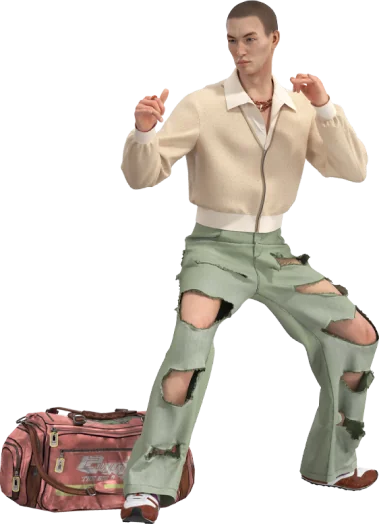
Virtual fitting technology has become one of the most impactful uses of 3D design. Advanced physics engines now simulate how cloth drapes, stretches, and folds across digital bodies that mirror real human movement. Consumers can visualize exactly how garments fit before purchase, reducing costly returns and improving online confidence. Brands like Nike and H&M already employ digital avatars and virtual fitting suites for product visualization, while startups specialize in hyper-realistic texture rendering to replicate different fabrics under varied lighting conditions.
Sustainable Innovation and Digital-First Supply Chains
Sustainability is no longer optional in fashion. Digital fashion workflows powered by 3D technology help minimize waste, as virtual samples replace physical ones. A single 3D prototype can cut carbon emissions by up to 95% compared to a traditional fabric sample. Supply chains are becoming data-driven ecosystems where 3D files travel faster than physical shipments. Manufacturers can preview production-ready patterns instantly, while suppliers visualize garments without a single cut of fabric. This circular approach supports goals of zero waste, on-demand production, and localized manufacturing—key pillars of the sustainable fashion movement.
Company Spotlight: Style3D’s Role in the Digital Revolution
Style3D is a pioneering science-based company at the forefront of the digital fashion revolution. Since its founding in 2015, Style3D has been dedicated to transforming the global fashion industry through cutting-edge 3D and AI technologies. Headquartered in Hangzhou, China, with offices in Paris, London, and Milan, Style3D continues to lead with innovative digital fashion solutions, helping brands design, produce, and market faster while embedding sustainability and efficiency in every step.
Market Trends and Data Insights
By 2030, experts project that over 80% of fashion design studios will use 3D tools as a standard element of their workflow. Gartner forecasts that 3D fashion platforms will generate billions in annual software and service revenue by the end of the decade. With the rise of virtual fashion shows, digital clothing for avatars, and the metaverse economy, fashion design is evolving beyond the physical world. These technologies enable brands to showcase collections virtually months before production, gather feedback, and create immersive shopping experiences within digital spaces.
Top Emerging 3D Fashion Software Solutions
These platforms demonstrate how diversified 3D ecosystems now empower everyone from luxury labels to independent designers.
Technology Integration and Manufacturing Impact
The convergence of 3D design software with PLM (Product Lifecycle Management) systems and cloud-based collaboration tools is transforming the end-to-end fashion process. Factories can now access pre-approved digital patterns directly from design teams, eliminating ambiguities from tech packs and manual corrections. Visualization aligns expectations across continents, allowing real-time QA without physical samples. Furthermore, digital twins of garments enhance traceability, ensuring transparent and responsible production.
ROI and Real-World Success Stories
Major global apparel companies report dramatic improvements after implementing 3D workflows. For instance, brands reduced sample production by up to 70%, saving both time and resources. Product-to-market lead times decreased by nearly 50%, allowing designers to respond quickly to fast-changing trends. The ROI extends beyond financial outcomes—3D adoption builds brand credibility, improves ethical impact, and strengthens consumer loyalty through transparency and customization.
The Future of 3D Fashion Design Technology
Looking ahead, 3D fashion design will merge deeply with immersive technologies such as augmented reality, virtual reality, and metaverse integration. Designers will craft garments for both the physical and digital worlds, creating hybrid collections that consumers can wear in real life or online platforms. AI-powered avatars will model clothes dynamically across body types, while neural rendering will reach near-photographic accuracy. Fabric materials will be digitally certified, and blockchain integration will assist in tracking sustainability metrics across value chains.
The ultimate vision: a fully digitized ecosystem where creativity is limitlessly scalable, sustainable, and instantly shareable. The brands adopting 3D fashion design today are not just keeping pace with technology—they are shaping the future of fashion itself.
Conversion Path: From Awareness to Adoption
Fashion leaders exploring digital transformation should start small: implement 3D sampling on one collection, integrate AI-driven insights for pattern optimization, then scale to entire product lines. Collaboration between technology providers, designers, and manufacturers defines success. Adopting 3D tools is not about replacing human creativity; it’s about unleashing it. The future of fashion is digital, dynamic, and data-enhanced—and the next generation of 3D fashion design technology is already reinventing how style is imagined, created, and experienced.