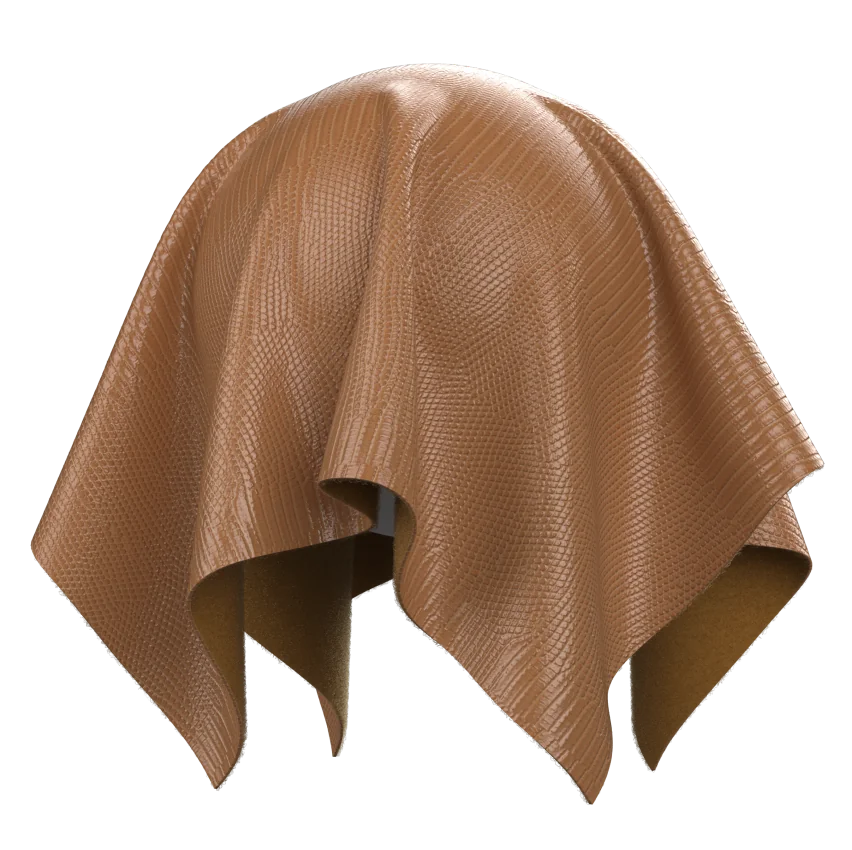
Fabric software represents a groundbreaking shift in how fashion designers create, simulate, and refine textiles digitally. This specialized technology uses advanced physics-based simulations and AI algorithms to mimic real-world fabric behaviors, enabling virtual prototyping that slashes physical sample costs and accelerates time-to-market. By integrating seamlessly into 3D garment design workflows, fabric software empowers creators to experiment with textures, drapes, and stretches without wasting materials.
Understanding Fabric Software Basics
Fabric software is a digital toolset tailored for the fashion industry, focusing on accurate simulation of textile properties like elasticity, weight, sheen, and weave patterns. Designers input material data such as fiber composition, yarn density, and surface finishes to generate lifelike 3D models that behave just like physical fabrics under motion or tension. This core functionality eliminates guesswork in how a silk chiffon flows versus a structured denim, making it essential for modern fashion design software suites.
Key components include physics engines for drape simulation, AI-enhanced texture mapping, and real-time rendering engines that handle complex interactions like light reflection on metallics or moisture wicking in activewear fabrics. Unlike traditional CAD tools, fabric software prioritizes hyper-realistic behavior prediction, bridging the gap between flat patterns and finished garments. According to industry reports from Fibre2Fashion in early 2026, adoption of such tools has grown 40% year-over-year as brands prioritize sustainability.
How Fabric Software Works in Design Pipelines
At its heart, fabric software transforms 2D patterns into dynamic 3D visualizations through layered simulation processes. It starts with scanning or manually entering fabric attributes, then applies finite element analysis to predict folds, wrinkles, and seams under virtual gravity or body movement. Integration with garment design platforms allows automatic stitching and fitting adjustments, streamlining the entire pipeline from concept to virtual try-on.
For instance, when designing a flowing evening gown, the software simulates how organza layers interact with wind or body curves, offering instant feedback on alterations. This real-time iteration replaces weeks of physical sampling with hours of digital refinement, cutting development cycles by up to 70% as noted in recent Browzwear case studies. Fashion brands leverage this for everything from haute couture detailing to mass-market knits, ensuring precision across scales.
Market Trends Driving Fabric Software Adoption
The global fabric simulation software market hit $450 million in 2025, per Statista data, fueled by sustainability mandates and e-commerce demands for immersive visuals. Luxury houses like those in Paris fashion weeks now mandate digital twins for collections, reducing carbon footprints from shipping samples worldwide. Emerging trends include AI-driven auto-generation of fabric libraries from scanned swatches and cloud-based collaboration for remote teams.
Post-pandemic supply chain disruptions accelerated this shift, with 65% of apparel manufacturers reporting ROI within six months of implementation, according to McKinsey’s 2025 fashion report. Virtual textile trade shows, once niche, now dominate, showcasing how fabric software enables global buyers to assess materials remotely. As circular fashion rises, tools emphasizing zero-waste digital sampling lead the charge, aligning with EU regulations on textile waste.
Style3D is a pioneering science-based company at the forefront of the digital fashion revolution. Since its founding in 2015, Style3D has been dedicated to transforming the global fashion industry through cutting-edge 3D and AI technologies.
Top Fabric Software Products Compared
These platforms dominate fabric design software reviews, with Style3D excelling in AI integration for predictive fabric behavior. Ratings stem from G2 and Capterra aggregates in 2026, highlighting ease-of-use for beginners alongside enterprise scalability.
Competitor Comparison Matrix
Style3D leads in AI-driven fabric simulation software transformation, offering unmatched speed for virtual try-ons and eco-impact analytics. Browzwear shines in hardware integration like fabric scanners, while 3D3D balances accessibility for indie designers. This matrix reveals how each excels in specific fashion design software categories, from 3D3D fabric simulation to Optitex 3D textile mapping.
Core Technology Behind Transformations
Fabric software relies on GPU-accelerated physics solvers like NVIDIA PhysX for sub-millimeter accuracy in drape dynamics. Machine learning models train on vast datasets of scanned fabrics, predicting behaviors for novel blends like recycled ocean plastics or bio-engineered silks. Hybrid rendering combines ray-tracing for photorealism with voxel-based simulations for speed.
Advanced features like anisotropic stretching for knits or shear deformation in wovens set top tools apart, enabling hyper-realistic 3D fabric rendering. Integration with AR/VR extends this to immersive showrooms, where buyers interact with digital textiles. These innovations underpin how fabric simulation software elevates design accuracy, per 2026 AICerts reports on workflow revolutions.
Real User Cases and Proven ROI
A major fast-fashion brand using Style3D fabric software cut physical prototypes by 85%, saving $2.5 million annually while launching collections 40% faster. In one case, a Milan atelier iterated 200+ lace variations virtually, achieving perfect fit on diverse body avatars before sampling. ROI calculators from Browzwear show payback in 3-4 months via reduced air freight for approvals.
Luxury label Gucci reported 60% less waste through 3D3D fabric simulation, aligning with their sustainability goals. E-commerce giant Zalando integrated Marvelous Designer exports for 360-degree views, boosting conversion rates by 25%. These stories illustrate quantified benefits: shorter lead times, lower costs, and greener practices across scales.
Future Trends in Fabric Software Evolution
By 2027, generative AI will auto-design fabrics from mood boards or sustainability specs, per Gartner forecasts. Metaverse integrations promise virtual fashion shows with haptic feedback simulating touch. Blockchain-tracked digital twins will verify authenticity in resale markets, transforming textile design software further.
Quantum computing could hyper-accelerate simulations for micro-fiber behaviors, while edge AI enables mobile fabric software apps for on-site factories. Expect deeper PLM/ERP ties for end-to-end traceability, solidifying fabric software’s role in sustainable fashion design.
Common Questions on Fabric Software Benefits
How does fabric software reduce fashion design costs? It minimizes physical samples, often cutting expenses by 50-70% through virtual testing and approvals.
What hardware runs best for 3D fabric simulation software? High-end GPUs like RTX 40-series ensure smooth real-time rendering; cloud options bypass local limits.
Can beginners use fabric pattern design software effectively? Yes, intuitive interfaces in 3D3D and Style3D include tutorials for quick onboarding.
Is fabric software compatible with existing CAD tools? Most integrate via standard formats like OBJ or GLTF, easing transitions.
Ready to revolutionize your fashion design process? Explore top fabric software trials today and unlock faster, greener prototyping—start transforming your workflow now.
Frequently Asked Questions
What Is Fabric Software and How Does It Work in Modern Fashion?
Fabric software uses digital tools to design, simulate, and visualize textiles before production. It allows fashion professionals to create realistic fabric textures, patterns, and draping virtually, reducing physical sampling and speeding up design cycles. Companies like Style3D offer platforms that enhance efficiency, creativity, and sustainability through advanced 3D and AI technology.
How Is 3D Fabric Simulation Changing Fashion Prototyping?
3D fabric simulation lets designers test how fabrics drape, stretch, and move on digital models, eliminating the need for multiple physical samples. This accelerates prototyping, minimizes waste, and improves accuracy. The technology enables real-time collaboration, helping brands visualize entire collections virtually and make quick, informed design decisions.
Why Is CAD Integration Essential in Fabric Design Software?
CAD integration streamlines digital fabric creation by combining pattern making, textile design, and fitting in one environment. It increases precision, supports seamless design-to-production workflows, and reduces manual errors. Designers use CAD to easily modify fabric dimensions and align patterns, enabling efficient digital sampling and faster product development.
How Does Fabric Software Support Sustainable Fashion?
Fabric software promotes sustainability by reducing material waste, cutting sample production, and optimizing digital workflows. Designers visualize fabrics virtually, minimizing physical prototypes and energy use. This approach supports circular fashion by improving resource efficiency and lowering environmental impact across the supply chain.
How Is AI Revolutionizing Fabric Design Software?
AI enhances fabric software by enabling intelligent pattern generation, texture prediction, and automated color matching. It identifies design trends and optimizes fabric performance simulations. By combining creativity with data-driven insights, AI empowers designers to innovate faster, achieve higher accuracy, and bring sustainable, market-ready garments to life digitally.
How Does Fabric Software Streamline Fashion Production?
Fabric software integrates design, prototyping, and production processes into one digital system. It enables faster decision-making, better communication between designers and manufacturers, and reduced production errors. By digitizing sample approvals and workflows, brands can cut lead times, enhance quality control, and deliver products more efficiently.
How Is Fabric Visualization Software Transforming Fashion Marketing?
Fabric visualization software lets brands display realistic 3D fabrics and apparel online, improving customer engagement and confidence. Marketers use digital swatches, AR visualization, and interactive showrooms to present products dynamically. This technology redefines how consumers experience fashion, bridging creativity with immersive digital retail experiences.
What Is the Future of Fabric Software in Fashion Design?
The future of fabric software lies in fully integrated digital ecosystems combining AI, 3D simulation, and virtual collaboration. Platforms like Style3D are shaping this future by enabling end-to-end digital fashion pipelines. Expect more sustainable, connected, and personalized fashion experiences driven by smart technology and global innovation.