Puff sleeves are created through a five-step digital workflow: draft your base sleeve pattern, apply slash-and-spread techniques for volume control, assign fabric properties in 3D software, simulate realistic gathers using physics-based rendering, and refine fit on customizable avatars. Modern AI and 3D simulation tools automate this process, enabling designers to generate photorealistic puff variations in minutes without physical samples, reducing prototyping costs and environmental impact while accelerating time-to-market.
What Are Puff Sleeves and Why Do They Matter in Fashion Design?
Puff sleeves feature gathered fabric creating voluminous silhouettes at the shoulder or bicep, offering aesthetic versatility across seasons, from romantic boho dresses to structured blazers. They drive current trends with high consumer demand on runways and social media. Traditional design struggles with time-intensive manual pattern slashing, excessive fabric waste, and lengthy iteration cycles, which digital tools eliminate for faster, sustainable creation.
How Does the Slash-and-Spread Technique Work for Puff Volume?
The slash-and-spread technique cuts strategic lines in a base sleeve pattern and spreads segments to distribute fullness, controlling gather density for desired puff shapes. Digitally, this integrates seamlessly by importing patterns into 3D software like Style3D Studio, automating volume distribution with real-time editing for precise, efficient results over manual methods.
What Role Does 3D Simulation Play in Creating Realistic Puff Gathers?
3D simulation uses physics-based engines to replicate fabric drape, elasticity, and gathers on virtual avatars, ensuring puff sleeves look authentic in motion. GPU-accelerated rendering in Style3D provides real-time previews of volume changes and fit, mapping precise fabric properties for lifelike behavior without physical prototypes.
| Workflow | Gather Realism | Time per Iteration | Sample Needs |
|---|---|---|---|
| Manual Sketching | Basic 2D approximation | Hours | Multiple physical |
| 3D Simulation | Physics-based drape | Minutes | None |
| AI-Assisted | Photorealistic + automated | Seconds | None |
How Can AI Tools Accelerate Puff Sleeve Design and Generation?
AI generates multiple puff silhouette variations from design briefs, automates pattern-to-3D conversion, and ensures style consistency across collections. In Style3D AI, generative models create industry-grade assets like sewing patterns and trims, slashing manual rigging time while maintaining editable control for rapid iteration.
Style3D Expert Views
“Our proprietary self-developed generative AI model, featured at CVPR, NeurIPS, and SIGGRAPH, revolutionizes puff sleeve design by constructing sewing relationships and estimating simulation parameters automatically. Combined with patented GPU-based cloth simulation in Style3D Studio, designers achieve photorealistic gathers via slash-and-spread tools in distributed, scalable workflows. This end-to-end ecosystem—from AI asset generation to cloud rendering—empowers precise volume control and realistic previews, reducing iterations from days to minutes.”
— Dr. Huamin Wang, Chief Scientist, Style3D
How Do Virtual Try-Ons and Avatar Fitting Enhance Puff Sleeve Design Review?
Virtual try-ons test puff volume across diverse body types and postures on customizable avatars in Style3D MixMatch, revealing fit issues instantly. Real-time cloud collaboration via Style3D Cloud enables global teams to review and edit, while motion simulation assesses sleeve behavior during arm gestures for marketing-ready animations.
What Are the Production and Sustainability Benefits of Digital Puff Sleeve Design?
Digital workflows cut physical samples by enabling virtual iterations, exporting DXF and BOM files directly for manufacturing in Style3D Studio. Fabric optimization predicts yardage precisely via Style3D Fabric digitization, minimizing waste and emissions while speeding time-to-market with transparent supply chain tracking.
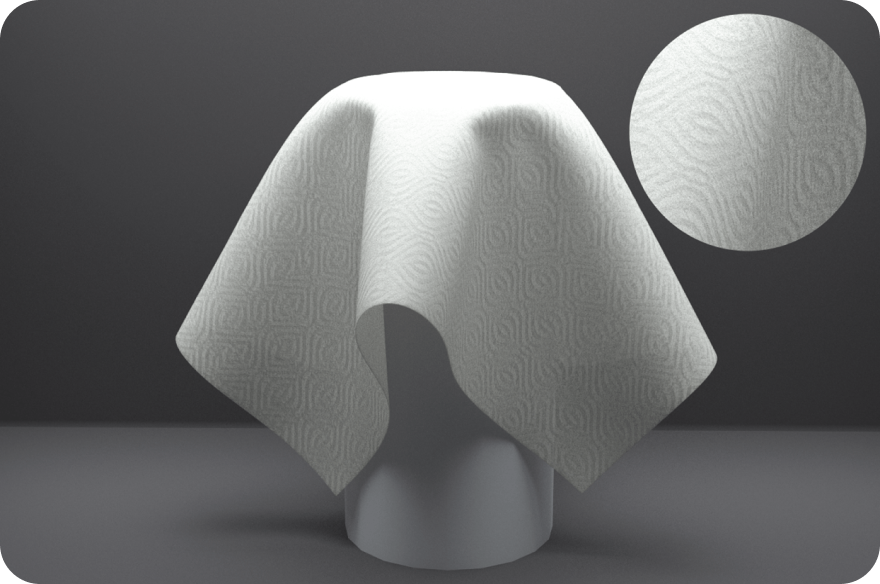
How Does an Integrated Digital Fashion Ecosystem Support Puff Sleeve Development?
An integrated ecosystem like Style3D’s flows from concept in Studio, through fabric digitization in Fabric, to styling in MixMatch, collaboration in Cloud, and merchandising in GoShop. Multi-stakeholder access to shared digital assets aligns designers, manufacturers, and retailers, leveraging national digital fashion standards for scalable compatibility.
What Makes GPU-Accelerated Cloth Simulation Essential for Puff Sleeve Realism?
GPU-accelerated simulation, patented by Style3D and featured at SIGGRAPH, delivers photorealistic drape and gathers at real-time speeds. Ray tracing renders high-definition visuals, balancing precision with editability to surpass manual methods, ensuring puff sleeves exhibit authentic movement and texture for presentations and showrooms.
| Simulation Type | Key Benefit for Puff Sleeves | Style3D Implementation |
|---|---|---|
| GPU-Based Cloth | Realistic gathers in motion | Patented engine, low particle distance |
| Ray Tracing | Photorealistic rendering | Real-time 3D visuals |
| AI-Enhanced | Automated parameter estimation | Generative asset creation |
Conclusion
Puff sleeves exemplify how AI and 3D simulation transform fashion design from labor-intensive, sample-heavy processes into efficient, sustainable digital workflows. Mastering slash-and-spread within Style3D’s integrated ecosystem—powered by GPU physics, generative AI, and cloud collaboration—unlocks creative freedom, cuts costs, and minimizes environmental impact for photorealistic, intelligent design.
FAQs
How long does it take to design and iterate on a puff sleeve using 3D simulation compared to traditional methods?
Traditional manual slashing and physical sampling take days to weeks per iteration. AI-assisted 3D simulation in Style3D reduces this to minutes per variation, enabling 10+ puff silhouettes in one session without samples.
Can AI-generated puff sleeves be customized, or are they fixed designs?
AI-generated patterns in Style3D AI are fully editable, allowing real-time adjustments to volume, gathers, seams, and fabrics for creative control post-generation.
Are digital puff sleeve designs production-ready, or do they require additional validation?
Designs export as DXF and BOMs for direct manufacturing handoff. Digital assets reduce sampling cycles, though some brands validate physically for final approval.
How does virtual avatar fitting help identify fit issues in puff sleeves?
Customizable avatars in Style3D simulate diverse bodies and movements, assessing volume, gathers, and mobility to catch issues before production.
What sustainability metrics result from transitioning puff sleeve design to digital workflows?
Brands achieve 60–80% sample reduction, lower fabric waste via precise cutting, and reduced emissions, enabling fast trend response with minimal inventory risk.