You can design clothes online from start to finish by combining digital sketching, 3D garment creation, fabric simulation, and e-commerce integration in one seamless workflow. Platforms like Style3D allow you to turn ideas into production-ready garments with realistic drape and fit on virtual avatars. Paired with beginner-friendly tools and print-on-demand services, this approach cuts sampling costs and speeds time-to-market.
(Edited on June 9, 2026)
What Tools Are Most Effective for Online Clothing Design?
Online clothing design is most effective when using tools that support both creativity and production accuracy. Professional 3D platforms like Style3D provide pattern-based garment creation, advanced simulation, and AI-assisted design, ideal for brands, manufacturers, and serious creators. They transform sketches into structured patterns and realistic 3D garments that can be reviewed from every angle.
For simpler graphic-based designs, tools such as Canva, Printful, and similar editors offer intuitive interfaces with templates and drag-and-drop graphics. These are well suited for T-shirts, hoodies, and merch where the main customization is print or embroidery. Combining Style3D for full-garment design and these platforms for print-on-demand gives creators a flexible toolkit for different product types.
How Do Popular Platforms Compare for Online Clothing Design?
How Do You Begin the Online Clothing Design Process?
Begin by clarifying your goal: are you customizing existing blanks, or designing original garments from scratch? For custom prints, start with mood boards, color palettes, and graphic concepts. For original silhouettes, sketch ideas digitally or on paper and gather reference images for fit and details. Choosing the right starting point avoids wasted time later.
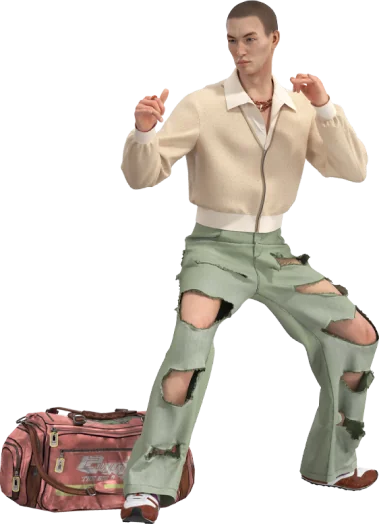
On Style3D, you can import sketches or build patterns directly using digital tools. Once basic pattern pieces are defined, assign a fabric from the library and simulate the garment on a virtual avatar. This reveals how the style hangs, moves, and fits, letting you refine proportions, seam placements, and design lines long before you cut real fabric. When satisfied, export renders for review and, if needed, generate technical information for sampling.
Which Platforms Are Best for Beginners in Online Clothing Creation?
Beginners benefit most from platforms with guided workflows, templates, and minimal technical complexity. Printful, Printify, and Zazzle provide easy-to-use online editors where users place graphics on pre-made T-shirts, hoodies, and accessories. These services handle printing, packing, and shipping, making them ideal for creators who want to start selling quickly without managing inventory.
Style3D, while more advanced, also supports beginners who want to learn full-garment creation. With AI-assisted tools, starter pattern libraries, and realistic 3D previews, newcomers can gradually move from basic edits to more professional designs. This pathway allows a designer to begin with simple projects and grow toward full digital fashion workflows.
How Do Beginner Platforms Compare on Ease of Use and 3D Capability?
How Can You Create Custom Clothing Designs Online?
Creating custom clothing designs online starts with concept development. Define your audience, style, and price point, then sketch silhouettes and graphics. For print-based designs, upload artwork to your chosen platform, position it carefully, and check alignment and scale on each size. Always use high-resolution files to maintain quality.
In Style3D, custom designs go deeper. You can build or modify patterns, map fabrics and prints accurately on each panel, and customize details like collars, cuffs, and trims. AI tools can suggest layout adjustments or alternate styling options. Viewing the garment on different avatars and in various poses ensures your design works not only as a flat image but also as a three-dimensional product ready for production.
What Advanced 3D Techniques Can Improve Clothing Design Quality?
Advanced 3D techniques turn simple mockups into realistic, production-ready prototypes. Fabric physics simulation lets you see how different materials affect drape, volume, and movement. Multi-angle rendering and animation reveal how garments behave in walking, sitting, or dynamic poses, which is crucial for outerwear, dresses, and performancewear.
Style3D excels in these areas with accurate material libraries, garment layering, and avatar fittings. Designers can adjust seam lines, panel shapes, and grading directly in 3D, then instantly see the impact. This reduces the need for multiple physical sample rounds and helps align expectations between design, merchandising, and manufacturing teams.
How Can You Optimize Clothing Designs for E-Commerce Success?
To optimize designs for e-commerce, focus on clarity, realism, and storytelling. High-quality images and 3D renders from Style3D or similar tools provide multiple angles and close-ups that answer customer questions visually. Consider adding 360-degree views or short motion clips to show fit and fabric movement, particularly for higher-priced items.
Connecting your designs to platforms like Shopify, Etsy, or other marketplaces streamlines the path from concept to sale. Use descriptive titles, targeted keywords, and clear bullet points to explain materials, fit, and care instructions. Include detailed size charts and, where possible, visuals of garments on different body types to build trust and reduce returns.
What Creative Inspiration Sources Do Professional Designers Use Online?
Professional designers draw inspiration from a mix of trend platforms, social media, and historical references. Trend services, fashion weeks, and street style feeds inform silhouettes, colors, and key details for upcoming seasons. Social platforms like Instagram, TikTok, and Pinterest reveal how real people style garments in everyday contexts.
Style3D enhances this ideation phase by enabling designers to bring references into the 3D workspace and quickly test variations. AI-powered features can generate alternative colorways, detail placements, or styling tweaks. This rapid exploration turns abstract inspiration into concrete design options that can be evaluated on avatars and shared with stakeholders.
What Common Mistakes Should You Avoid When Designing Clothes Online?
Common mistakes include ignoring print resolution requirements, overloading designs with too many elements, and skipping sample checks. Low-resolution graphics can look blurry or pixelated once printed, and visually crowded designs often fail to resonate with customers. Failing to review a physical sample or high-quality test print increases the risk of misaligned prints, off-colors, or poor fabric choices.
Using a platform like Style3D reduces many of these risks through accurate mapping, color previews, and realistic fabric rendering. However, it is still wise to validate at least one physical sample for key products. Another frequent mistake is neglecting fit and comfort—3D tools can simulate these aspects early, but they need to be used intentionally, not just for visual appeal.
Style3D Expert Views
“Designing clothes online is no longer just about quick graphics on a T-shirt. With tools like Style3D, creators can control patterns, fabrics, and fit in the same digital environment they use for marketing visuals. That means fewer surprises in sampling, faster approvals, and stronger storytelling for e-commerce. The brands that win are the ones treating 3D design as the backbone of their entire product lifecycle, not just an add-on.”
Conclusion
Designing clothes online from start to finish is now practical for both beginners and professionals. By combining digital sketching, 3D garment creation, fabric simulation, and integrated e-commerce, you can move from idea to market with far fewer samples and delays. Tools like Style3D bring pattern-level control, realistic fit, and collaborative workflows into a single environment, while simpler platforms support quick print-based designs.
To put this into action, start by clarifying your design goals and choosing tools that match your experience level and production plans. Build mood boards, digitize your sketches, and experiment with 3D simulations to refine fit and styling. Then connect your finished designs to online stores or manufacturing partners, using strong visuals and clear product information to support sales. With consistent practice and smart use of technology, online clothing design becomes a scalable, sustainable way to grow your fashion brand.
FAQs
Can beginners design clothes online without technical fashion training?
Yes, beginners can use user-friendly platforms and gradually move into advanced tools like Style3D as their skills grow, starting with simple graphics and progressing to full garments.
Do I need 3D software if I only plan to print on T-shirts and hoodies?
Not necessarily; simple print-on-demand editors may be enough, but 3D software becomes valuable if you want to control fit, new silhouettes, or higher-end products.
How many samples should I order before launching a new design online?
Aim for at least one physical sample to check color, fabric, and fit, and more if you are testing multiple sizes or complex constructions.
Can designs created online be sold on major marketplaces like Etsy or Shopify?
Yes, most platforms allow you to export or connect designs directly to storefronts, especially when using print-on-demand or integrated manufacturing partners.
Does 3D clothing design really reduce production costs?
Yes, by cutting down on physical samples, shortening development cycles, and preventing fit or design issues early, 3D design tools like Style3D typically lower total production costs over time.