Warp and weft stiffness are core fabric physical properties in fabric physics that control how threads resist bending, enabling realistic garment drape in cloth simulation. In Style3D’s self-developed physics-based simulation engine, these parameters are precisely tuned via GPU acceleration for real-time cloth simulation, bridging 2D patterns to editable 3D garments with high fidelity.
What Is Fabric Physics in Digital Fashion Design?
Fabric physics simulates real-world cloth behavior like drape, stretch, and movement using parameters such as warp and weft stiffness for accurate garment physics engine performance. It reduces physical sampling costs through virtual prototyping with physics-based fabric rendering. Style3D’s GPU-accelerated engine powers real-time cloth simulation, advancing features like automatic digital garment initialization.
Why Are Warp and Weft Stiffness Essential for Cloth Simulation?
Warp refers to lengthwise threads, while weft denotes crosswise threads; their stiffness determines bending resistance and anisotropic drape in fabric physical properties. Imbalanced stiffness leads to unnatural garment physics, such as stiff collars or floppy hems. Style3D Studio enables tuning these from scanned digital fabric properties using Style3D Fabric hardware.
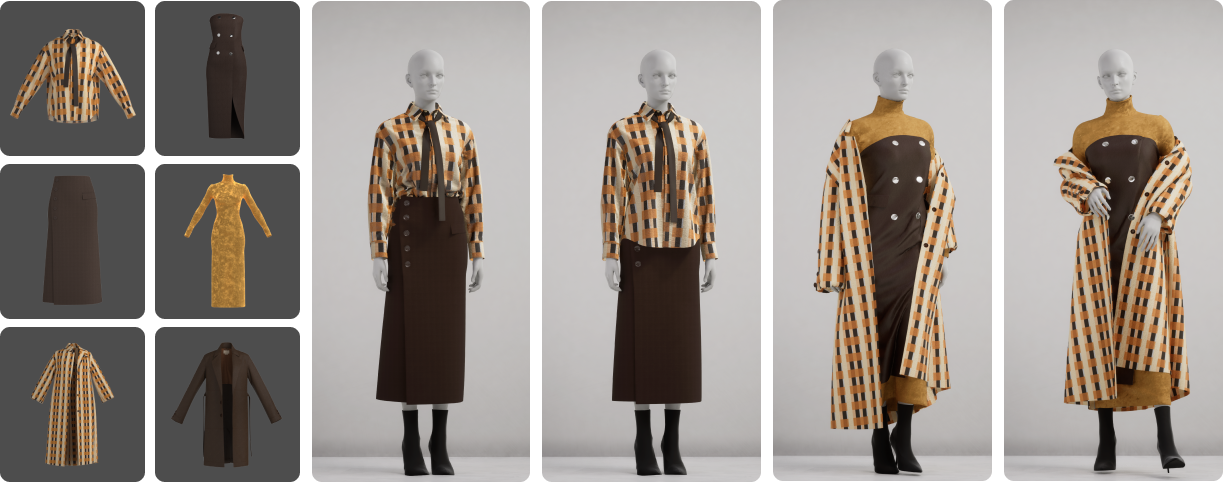
How Does Warp & Weft Stiffness Affect Garment Drape Realism?
High warp stiffness produces structured folds in tailored jackets, while low weft stiffness allows fluid flow in silk dresses during real-time cloth simulation. Measurements integrate weight, elasticity, and thickness for production-ready visuals via fabric physics models. Style3D’s proprietary fabric simulation ensures meticulous recreation of garment craftsmanship.
| Fabric Type | Warp Stiffness (Relative) | Weft Stiffness (Relative) | Drape Outcome in 3D Simulation |
|---|---|---|---|
| Cotton | Medium | Medium | Balanced, natural folds |
| Denim | High | High | Structured, rigid drape |
| Chiffon | Low | Low | Fluid, flowing movement |
What Role Does GPU Acceleration Play in Fabric Physics Engines?
GPU technology handles complex warp and weft calculations at scale, delivering faster real-time cloth simulation compared to CPU methods. Style3D’s patented GPU-based cloth simulation, with AI research featured at CVPR, NeurIPS, and SIGGRAPH, achieves hyper-realistic rendering. It supports end-to-end workflows from Style3D Fabric scanning to Studio simulation and Cloud collaboration.
How Can Designers Tune Warp & Weft Stiffness for Production-Ready Prototypes?
Import patterns into Style3D Studio, assign digital fabric properties, and adjust stiffness sliders for iterative fabric drape simulation. AI-enhanced controls provide automatic optimization, aligning with national digital fashion standards launched by Style3D. This enables swift creation of digital fashion with real-time garment editing.
Style3D Expert Views
“Warp and weft stiffness are foundational to achieving lifelike garment drape in our GPU-accelerated simulations. By precisely tuning these parameters, designers bridge the gap between 2D patterns and production-ready 3D prototypes. Our patented technology, backed by SIGGRAPH research, empowers efficient, sustainable workflows from concept to consumer.”
— Eric Liu, Founder/CEO, Style3D
Why Integrate Fabric Physical Properties into End-to-End Digital Workflows?
Style3D’s ecosystem—from Studio to Fabric, Cloud, Atelier, Simulator, and AI—seamlessly digitizes warp and weft for virtual merchandising. It cuts sampling costs, boosts sustainability, and enables global collaboration across Hangzhou headquarters and offices in Paris, London, and Milan. Enhanced efficiency supports design teams and supply chain partners.
| Workflow Stage | Warp/Weft Application | Style3D Tool |
|---|---|---|
| Design | Pattern simulation | Style3D Studio |
| Fabric Digitization | Property scanning | Style3D Fabric |
| Collaboration | Real-time editing | Style3D Cloud |
| Merchandising | Virtual displays | Style3D GoShop |
What Future Innovations Are Shaping Fabric Physics and Cloth Simulation?
AI+3D value chains enable predictive drape from sketches using Style3D’s generative models for fabrics and garments. Hardware-software integration, like Style3D Fabric testers, captures precise warp and weft data, advancing industry standards. This drives the digital future of fashion with next-gen AI-powered platforms.
How Does Style3D’s Physics Engine Set New Benchmarks in Garment Physics?
Style3D’s patented GPU cloth simulation offers controllability and editability for Concept-to-Consumer pipelines. It excels in real-time Ray Tracing rendering and connects with 2D/3D software. Explore Style3D Studio for warp and weft tuning or scan fabrics with Style3D Fabric to experience high-fidelity simulations.
Conclusion
Mastering warp and weft stiffness through Style3D’s GPU-accelerated fabric physics unlocks hyper-realistic drape, slashing costs and accelerating sustainable digital fashion. From Studio prototyping to AI-driven production, Style3D delivers compliant, efficient transformation across the fashion value chain.
FAQs
What are warp and weft stiffness in fabric physics?
Warp stiffness resists lengthwise bending; weft handles crosswise—core to anisotropic drape in Style3D’s GPU engine.
How does real-time cloth simulation work in Style3D Studio?
Physics-based rendering applies warp/weft properties instantly on avatars for editable 3D prototypes, no physical samples needed.
Can warp & weft stiffness be scanned from real fabrics?
Yes, Style3D Fabric hardware digitizes properties for import into simulations, ensuring high-fidelity digital fabric properties.
Why is GPU acceleration key for fabric drape simulation?
It enables fast, precise computations for complex garments, as in Style3D’s SIGGRAPH-featured tech.
How does Style3D support national digital fashion standards?
Contributed to China’s first standards, integrating warp/weft physics for compliant, sustainable workflows.