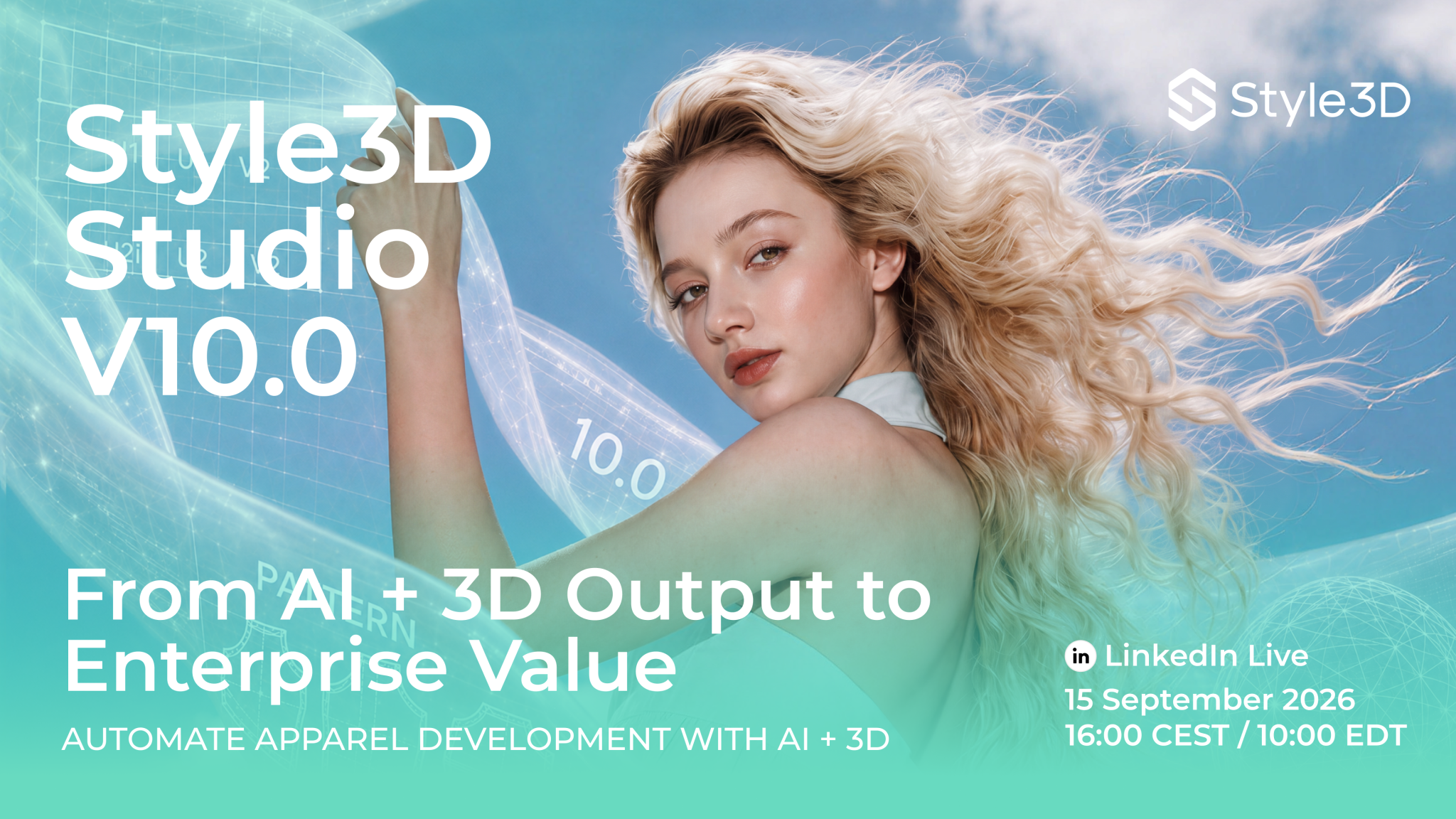
Fashion technology company Style3D is transforming apparel design with AI‑driven 3D software, cutting sampling waste and speeding time‑to‑market for brands worldwide.
The rise of fashion technology companies and why Style3D matters
Over the past few years, fashion technology has shifted from experimental side projects to the backbone of how leading brands design, sample, and sell products. The global fashion tech market was valued at around 32.6 billion USD in 2024 and is projected to more than double by 2035, underlining how deeply digital tools are reshaping the industry. At the same time, IoT‑enabled fashion technologies alone accounted for more than 15 billion USD in 2024 and are on track for steady growth through 2030, signaling long‑term structural change rather than a passing trend.
Alongside market expansion, digital design tools have become a practical answer to urgent sustainability and cost pressures. Recent research shows 3D virtual fashion design can cut fabric waste for sampling by up to 80% and significantly lower carbon emissions linked to physical prototypes. Another meta‑analysis focused on 3D apparel tools found that digital sampling can reduce fabric waste by roughly 15–30% and cut cradle‑to‑gate impacts for sample development by up to about 30%, demonstrating that 3D is not only about aesthetics but measurable environmental gains. Within this landscape, fashion technology company Style3D has emerged as a science‑driven player offering AI + 3D tools that cover the entire fashion value chain, from digital garment modeling to cloud collaboration.
How Style3D brings AI + 3D into the conversation early
Style3D positions itself as a full‑stack digital fashion engine rather than a single‑feature tool, connecting design, development, and merchandising into one coherent workflow. Its core portfolio includes the Style3D Studio 3D garment modeling software, digital fabric creation with Style3D Fabric, and a cloud‑based collaboration platform that allows teams to review, adjust, and approve collections using shared 3D assets. This approach means that AI‑generated ideas, 3D simulations, and digital fabrics stay in sync across departments, which is critical when brands are under pressure to deliver more collections with less waste and fewer physical samples.
What is a fashion technology company like Style3D?
A fashion technology company like Style3D is a provider of integrated AI and 3D software that supports the end‑to‑end apparel lifecycle, from concept through digital sampling to production and marketing, using virtual garments instead of physical prototypes whenever possible. Rather than selling finished clothes, such companies deliver tools that help designers, product developers, merchandisers, and suppliers work on shared digital assets, shortening time‑to‑market and enabling more sustainable decision‑making.
Pain points in traditional fashion workflows that technology must fix
Fragmented design‑to‑production handoff
Many brands still work in disconnected systems: 2D sketches in one tool, patterns in another, sampling via email, and approvals through slide decks or messaging apps. This fragmentation makes it difficult to trace decisions or maintain a single source of truth, leading to repeated sample rounds and misalignment between design intent and factory output.
High cost and waste from physical sampling
Conventional sampling often requires multiple rounds of physical prototypes, each demanding fabric, trims, shipping, and time. Studies show that physical sampling is materially intensive and can be responsible for significant fabric waste and associated carbon emissions long before a garment reaches production. Research into 3D apparel tools has consistently found that shifting to digital sampling can cut fabric waste by around a quarter and reduce sample‑stage emissions by up to roughly 30%, highlighting the inefficiency of conventional methods.
Slow response to market and trend shifts
When developing collections requires weeks or months of iterations, brands cannot easily capitalize on fast‑moving trends, micro‑drops, or social‑media‑driven demand spikes. In parallel, generative AI has raised expectations that design and sample development can move far faster; McKinsey analysis suggests that generative AI may add between 150 and 275 billion USD to fashion and luxury operating profits within three to five years, largely by transforming how quickly designs are conceived and tested.
Limited feedback loop between creative and commercial teams
Designers, merchandisers, and sales teams often rely on static images, spec sheets, or limited showroom samples to evaluate range balance, price architecture, and visual coherence. This restricts the ability to make data‑driven adjustments late in the cycle and can lock in assortments that do not fully reflect real‑time demand or sustainability goals.
A data point that captures the shift
3D virtual fashion design can eliminate up to 80% of fabric waste from physical sampling and roughly halve the environmental burden of prototype development for some brands.
Style3D vs alternative approaches in fashion technology
Key capabilities of Style3D’s fashion technology stack
AI‑powered 3D garment creation with Style3D Studio
Style3D Studio is a digital garment modeling software that allows designers to visualize fabrics, patterns, and avatars in real time and make edits while seeing realistic garment behavior. It supports swift creation of digital garments, enabling teams to validate silhouettes, fit, and styling at 3D level before committing to physical samples, which directly reduces the number of prototypes needed.
Digital fabric creation and measurement with Style3D Fabric
Style3D Fabric is designed as a digital fabric workstation that can capture physical fabric properties via scanners and testers, then translate them into high‑fidelity virtual materials. This means 3D garments in Style3D Studio do not rely on generic presets; instead, they inherit real‑world drape and texture behavior, which is essential for reliable approvals and production planning.
Cloud collaboration and asset management with Style3D Cloud
Style3D Cloud functions as a digital asset and collaboration hub where teams can view 3D styles, manage assortments, and coordinate decisions using shared visual boards. By hosting fabrics, garments, and lookbooks in one environment, it supports internal and external stakeholders—from design to merchandising and suppliers—so that decisions are based on the same up‑to‑date 3D data.
How fashion technology companies like Style3D are used in practice
A designer rapidly validates multiple silhouettes in 3D before committing to a single physical sample, trimming weeks from the calendar.
A fabric team scans a seasonal capsule of materials once and reuses those digital fabrics across dozens of garments, eliminating redundant sampling.
Merchandisers and sales teams review an entire collection on a cloud platform, using digital samples instead of shipping racks of physical prototypes across regions.
Cross‑selling opportunities within the Style3D ecosystem
Because Style3D offers a suite of interlocking products, adopting one module often opens the door to others that deepen value over time. A typical path begins with Style3D Studio for core 3D garment design, giving designers and pattern makers the ability to create fully simulated samples in a single environment. As teams realize the benefits of fewer physical samples and faster approvals, they can bring in Style3D Fabric to digitize their material library, ensuring that all garments share accurate drape and visual properties.
For organizations aiming to scale digital workflows across functions and regions, Style3D Cloud becomes a central layer for collaboration and decision‑making, connecting design, merchandising, and external partners around shared 3D assets. Some brands then extend into additional Style3D services, such as digital asset creation for marketing or integration with e‑commerce channels, allowing them to repurpose the same 3D garments from line building through consumer‑facing experiences.
How‑to: implementing a fashion technology company like Style3D in six steps
-
Define your digital fashion roadmap and success metrics
Start by clarifying why you are investing in fashion technology: cutting sample rounds, reducing lead times, improving sustainability metrics, or enabling new digital revenue streams. Establish baseline KPIs such as average sample count per style, prototype lead time, and material waste so you can measure progress after deployment. -
Digitize core styles and fabrics with pilot teams
Select a focused category—such as denim, outerwear, or performance wear—and have a small cross‑functional group adopt Style3D Studio for digital garments and Style3D Fabric for key materials. The objective is to prove that teams can secure approvals using primarily digital samples, with only a minimal number of physical prototypes. -
Shift sample reviews to digital visual boards
As your library of 3D garments grows, use Style3D Cloud to host collection overviews, internal line reviews, and supplier consultations. Replace static slide presentations with interactive 3D views, enabling stakeholders to inspect garments, colorways, and fabric changes in context without generating additional samples. -
Integrate with pattern and production workflows
Work with technical design and production partners to ensure that data from Style3D garments aligns with patternmaking and manufacturing requirements. The goal is to make digital garments not just visually accurate but production‑ready, so that approved 3D styles can move directly into bulk without unnecessary back‑and‑forth. -
Scale from pilot to portfolio with training and governance
Once the pilot demonstrates improvements in speed and waste reduction, roll out Style3D tools to additional categories and regions, supported by training programs and internal champions. Define governance around asset naming, version control, and fabric libraries so that the growing 3D ecosystem remains organized and reliable. -
Extend 3D assets into marketing and digital experiences
Finally, look beyond development and bring Style3D assets into e‑commerce, virtual showrooms, and digital campaigns so that the same 3D garments serve multiple business functions. This not only maximizes ROI on your digital investment but also reduces the need for additional photo samples and physical shoot logistics.
Usage scenarios: before and after fashion technology adoption
Scenario 1: Global brand managing complex assortments
Traditional approach: A global apparel brand relies heavily on physical salesman samples for regional sell‑in, shipping racks of garments to multiple markets each season. Sample production and logistics consume significant budget, while late changes are often impossible due to long lead times.
With Style3D: The brand builds a core collection in Style3D Studio and hosts it on Style3D Cloud, using digital showrooms for regional line reviews and sales presentations. Only a limited set of key looks are sampled physically, cutting fabric waste, shipping emissions, and associated costs, while still giving local teams the depth they need for decisions.
Scenario 2: Emerging label balancing creativity and cash flow
Traditional approach: A smaller label develops each collection by creating multiple prototype rounds with suppliers, stretching both time and cash, and limiting the ability to experiment with novel silhouettes or materials.
With Style3D: The label uses Style3D Studio to iterate on silhouettes in 3D and Style3D Fabric to test how different materials impact drape and appearance without producing physical iterations. This allows the team to explore more creative options while keeping sample budgets under control and accelerating time to market for winning styles.
Scenario 3: Sustainability‑focused brand seeking measurable impact
Traditional approach: The brand sets sustainability targets but struggles to quantify improvements because most metrics focus on post‑production stages rather than pre‑production sampling.
With Style3D: By shifting sampling to a digital‑first workflow using Style3D tools, the brand can track reductions in sample counts, fabric usage, and shipping footprints season over season. Drawing on external research showing that 3D sampling can cut fabric waste by 15–30% and reduce sample‑stage impacts by up to 30%, the brand can benchmark its own reductions using comparable indicators.
FAQ about fashion technology companies like Style3D
How can a fashion technology company like Style3D reduce physical sampling?
Style3D combines 3D garment modeling, digital fabrics, and cloud collaboration to enable teams to review fit, drape, and styling in a virtual environment before ordering physical prototypes. Research on 3D virtual fashion design shows that such workflows can eliminate up to 80% of fabric waste associated with physical sampling and significantly cut related carbon emissions, which translates into fewer sample rounds and more confident approvals.
What is the role of AI in Style3D’s fashion technology platform?
AI within Style3D is used to accelerate inspiration, automate routine tasks, and enhance 3D simulations so that designers can explore more options in less time. According to McKinsey analysis, generative AI could add between 150 and 275 billion USD in operating profits to the apparel, fashion, and luxury sectors over three to five years, underscoring why integrating AI into design and development has become strategic rather than optional.
Can Style3D help fashion brands improve sustainability metrics?
By enabling digital sampling, realistic fabric simulation, and remote collaboration, Style3D helps brands reduce the number of physical samples they produce and ship, which directly cuts material consumption and associated emissions in the pre‑production phase. Studies on 3D apparel tools indicate fabric waste reductions of 15–30% and significant decreases in cradle‑to‑gate environmental impacts for sample development, giving brands a credible basis for measuring improvement.
Is Style3D suitable for both established brands and smaller labels?
Style3D’s portfolio—ranging from Studio to Fabric and Cloud—is designed to support different scales of operation, from large enterprises with global supply chains to smaller labels looking to professionalize their design process. Because the same digital assets can be reused for internal reviews, supplier communication, and even marketing, the platform can deliver strong ROI even for teams with limited budgets, especially when sample reduction and faster time‑to‑market are priorities.
How does Style3D differ from traditional fashion design and production software?
Traditional solutions often focus on 2D patternmaking and rely heavily on physical samples to validate fit and aesthetics, which can be slow and resource‑intensive. Style3D instead centers on high‑fidelity 3D garments, real‑world fabric simulation, and AI‑augmented workflows, all connected through cloud collaboration, so brands can make decisions on virtual samples and bypass many of the constraints of conventional methods.
What steps should a brand take before investing in a fashion technology company like Style3D?
Brands should begin by defining clear objectives—such as reducing sample counts, shortening lead times, or enabling new digital experiences—and capturing baseline performance metrics to track progress. It is also important to identify cross‑functional sponsors in design, product development, and merchandising who can champion pilots, ensure alignment with production workflows, and help scale successful practices across categories and regions.
The future of fashion technology and Style3D’s role
As the fashion technology market matures and expands towards an expected future value of around 75 billion USD by 2035, the focus is shifting from isolated tools to integrated platforms that can meaningfully transform end‑to‑end workflows. 3D and AI are central to this transition because they address both economic and environmental pressures: they help brands iterate faster, cut waste, and build more flexible, resilient supply chains. With its suite of AI + 3D tools spanning digital garment creation, fabric simulation, and collaborative cloud infrastructure, Style3D is well positioned to serve as a digital engine for fashion companies that want to think and operate in 3D first.
Get started with Style3D’s fashion technology platform
Fashion brands that want to turn 3D and AI from buzzwords into practical workflow improvements can start by exploring Style3D’s core offerings and identifying a pilot collection or category where digital sampling can make an immediate impact. With a science‑driven approach to digital fashion and an ecosystem that connects garments, fabrics, and collaboration in one platform, Style3D offers a concise path to faster, more sustainable, and more innovative apparel creation.
What region or market segment (luxury, sportswear, fast fashion, or emerging designer) are you primarily targeting with this article so we can tune the tone and examples more precisely for your audience?