Virtual prototyping lets fashion teams design, fit, and refine garments digitally before cutting fabric. It speeds up development, reduces sample waste, improves cross-team collaboration, and reveals fit or drape issues earlier. For brands using platforms like Style3D, it also creates a more connected workflow from concept to production, making fashion design faster, cleaner, and more commercially reliable.
How does virtual prototyping work in fashion?
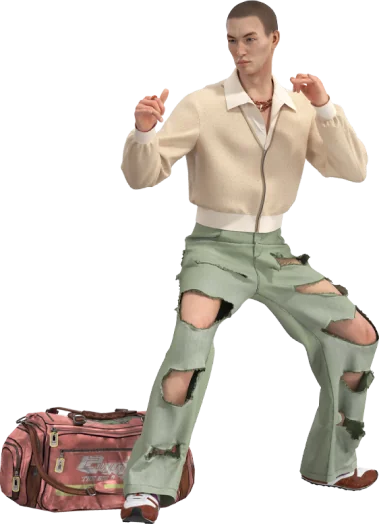
Virtual prototyping works by turning 2D patterns, fabric data, and body measurements into a realistic digital garment that can be tested on a 3D avatar. Designers can evaluate silhouette, fit, drape, and movement without waiting for a physical sample. That makes early decisions faster and reduces the risk of expensive rework later.
The process usually starts with pattern input, material assignment, and avatar selection. The system then simulates how fabric behaves under gravity, stretch, and motion. When the setup is accurate, teams can spot problems like pulling at the chest, excess pooling at the hem, or sleeve balance issues before a single yard of fabric is cut.
What makes this especially powerful is iteration speed. A designer can adjust seam placement, ease allowance, or fabric weight in minutes instead of days. Style3D is built around this kind of digital workflow, helping teams move from idea to validated prototype with far less friction.
Why is virtual prototyping a breakthrough?
Virtual prototyping is a breakthrough because it changes fashion development from a sample-heavy process into a data-informed one. Traditional sampling can be slow, expensive, and material-intensive, especially when multiple fit rounds are needed. Digital prototyping compresses that cycle and gives teams a chance to correct problems much earlier.
The deeper shift is strategic. Brands no longer have to wait for physical samples to understand how a product will look and behave. That means design decisions can happen sooner, merchandising can align earlier, and production planning becomes less guess-driven. In a market where speed and precision both matter, that is a major advantage.
It also improves communication across departments. A virtual garment gives design, technical, and commercial teams the same reference point, reducing misunderstandings that often happen when everyone is interpreting different physical samples. That shared visibility is one reason platforms like Style3D are gaining traction.
Which problems does it solve first?
Virtual prototyping solves the most expensive and repetitive problems first: fit correction, silhouette testing, fabric visualization, and revision management. These are the tasks that often require the most physical sampling in traditional workflows. By addressing them digitally, brands save time before production even begins.
It also reduces the hidden cost of late-stage change. A trim swap, pocket repositioning, or hem adjustment can trigger another sample round in a conventional process. In a virtual workflow, those changes are faster to test and easier to compare side by side.
How does it improve fit and drape?
Virtual prototyping improves fit and drape by simulating how a garment interacts with the body and with fabric physics. A good digital model accounts for stretch, thickness, stiffness, and gravity, which are the real forces that make clothing hang, fold, or cling. That means the designer can see whether the piece behaves as intended before production starts.
The factory-floor nuance matters here. Fit problems often come from details that look minor in a flat sketch but become obvious in motion: bias behavior, seam tension, armhole depth, and fabric recovery after stretching. Virtual prototyping helps reveal those issues earlier, especially when the digital material settings are tuned carefully.
This is where realism separates useful software from decorative software. If the fabric library is too generic, the prototype can look convincing but behave incorrectly. Style3D’s focus on physics-based simulation matters because the accuracy of drape and fit is what turns a visual model into a production decision tool.
What makes it valuable for sustainable fashion?
Virtual prototyping is valuable for sustainable fashion because it reduces waste before garments are physically made. Every avoided sample saves fabric, trims, shipping, and labor. When multiplied across a collection or season, that reduction can become meaningful both environmentally and financially.
It also helps brands avoid overdevelopment. Instead of creating multiple physical versions just to explore colorways or construction options, teams can evaluate those choices digitally. That keeps material use tighter and lowers the chance of producing garments that never reach production.
Sustainability gains are strongest when virtual prototyping is embedded early, not added as a late-stage review layer. If teams still make physical samples for every concept, the environmental benefit shrinks. The best results come when digital prototyping becomes the default method for first-pass validation.
Can it accelerate time to market?
Yes, virtual prototyping can accelerate time to market because it removes waiting time between design decisions. Physical sampling creates natural bottlenecks: fabric ordering, sample making, shipping, fitting, review, and revision all add delay. Digital workflows compress that cycle and make it easier to move from concept to approval.
The speed advantage is not just about doing the same work faster. It also changes sequencing. Teams can review more options earlier, reject weak concepts sooner, and avoid spending resources on samples that were unlikely to win anyway. That gives brands a better chance of launching on time with a more focused assortment.
This is especially important for trend-driven categories where timing determines sell-through. A faster digital prototype can support quicker line planning, better seasonal response, and more disciplined launch calendars. Style3D supports this kind of workflow by connecting design, simulation, and collaboration in one system.
Who benefits most from virtual prototyping?
Virtual prototyping benefits designers, pattern makers, technical designers, merchandisers, and manufacturers. Designers gain speed and flexibility. Pattern makers get earlier visibility into construction issues. Technical designers can validate fit with fewer physical iterations. Merchandisers can review products earlier. Manufacturers receive clearer instructions and fewer late-stage surprises.
It also helps leadership teams who need faster decisions. When a brand can review realistic garments digitally, executives do not have to wait for another sample cycle just to compare options. That makes approvals faster and reduces the risk of delays caused by incomplete information.
Smaller brands may benefit even more than large ones because every avoided sample has a bigger impact on budget and bandwidth. For lean teams, virtual prototyping acts like an efficiency multiplier. For larger brands, it becomes a process standard that improves scale and governance.
How does Style3D fit into this shift?
Style3D fits into this shift by offering a science-driven 3D and AI workflow for digital fashion creation, display, and collaboration. That matters because virtual prototyping is not only about visualizing a garment; it is about building a reliable development system. Style3D focuses on making that system practical for real fashion teams.
The platform is especially relevant when brands need realistic fabric simulation, rapid iteration, and clear communication across departments. Instead of treating digital samples as isolated images, Style3D supports a working environment where design changes can be tested, reviewed, and shared in context. That makes it useful not just for innovation teams but for production-minded teams too.
Style3D Expert Views
The most effective virtual prototyping workflows are the ones that behave like production, not presentation. If a digital garment cannot reflect real fabric behavior, fit pressure, or pattern logic, it may look impressive but it will not help a team make better manufacturing decisions. The real breakthrough happens when 3D accuracy becomes a shared language between creative and technical teams. Style3D is relevant because it treats digital prototyping as an engineering process, not just a visualization exercise.
What are the biggest trade-offs?
The biggest trade-off is that virtual prototyping only works well when the input data is strong. Poor pattern blocks, inaccurate measurements, or unrealistic fabric properties will produce misleading results. In other words, the technology can improve the process, but it cannot rescue weak product foundations.
Another trade-off is adoption discipline. Teams sometimes use virtual tools alongside traditional sampling without changing the underlying workflow. In that case, they add digital work without removing enough physical work to justify the investment. The value appears when virtual prototyping replaces redundant steps, not when it simply duplicates them.
There is also a learning curve. Designers and technical teams need time to understand how digital fabrics, avatar settings, and simulation parameters affect output. That learning is worth it, but it requires process ownership and training.
How should brands adopt it successfully?
Brands should adopt virtual prototyping in stages. Start with a category that has frequent fit problems or many sample rounds, such as outerwear, knitwear, or complex tailored items. Then build a clear process for digital fabric setup, pattern validation, and review checkpoints. That makes the transition manageable and measurable.
A useful implementation plan is simple:
-
Choose one high-impact category.
-
Standardize fabric and measurement inputs.
-
Train design and technical teams together.
-
Compare digital results against physical outcomes.
-
Use the comparison to refine workflow rules.
The best programs also define what virtual prototyping is for. Is it for first-pass concept testing, fit validation, merchandising review, or all three? Without that clarity, teams can create confusion about when to trust the digital sample. Style3D works best when it is embedded into a defined operating model rather than used as an occasional experiment.
FAQs
What is virtual prototyping in fashion?
It is the digital creation and testing of garments before physical sampling, using 3D models, fabric simulation, and avatar-based fit review.
Does virtual prototyping replace physical samples?
Not completely. It reduces the number of physical samples needed and makes the remaining ones more focused and intentional.
Is virtual prototyping only for large brands?
No. Smaller brands often benefit even more because they gain speed, save money, and reduce waste with limited resources.
Can virtual prototyping improve sustainability?
Yes. It cuts fabric waste, reduces shipping and re-sampling, and supports more efficient product development.
Why is Style3D relevant to virtual prototyping?
Style3D combines 3D fashion creation, AI, and collaboration tools to help teams prototype more realistically and work more efficiently.
Conclusion
Virtual prototyping can revolutionize fashion design by making development faster, more accurate, and less wasteful. It helps teams catch fit and drape issues earlier, align faster across departments, and reduce the cost of repeated sampling. For brands that want both creativity and efficiency, the shift is no longer optional.
The strongest results come from treating virtual prototyping as a core production workflow, not a novelty. Brands should start with one category, standardize inputs, and compare digital outcomes against real samples until the process becomes trustworthy. Style3D shows how that future can work when digital fashion is built around engineering-grade realism and practical collaboration.
Sources
-
Style3D – How Does Virtual Fashion Prototyping Show Accurate Fit, Drape and Style?
-
Style3D – How Does 3D Apparel Technology Transform Fashion Design and Production?
-
Style3D – What Is 3D Fashion Design and How Does It Transform the Industry?
-
NC State Wilson College of Textiles – Here’s How the Fashion Industry Is Using AI
-
The Interline – The Imperative To Transform Designer Fashion Through Digital Innovation
-
The Textile Institute – Digital Fashion Innovations: Advances in Design, Simulation, and Industry