3D sketch software transforms initial ideas into interactive 3D models, streamlining design and prototyping. Platforms like Blender, SketchUp, and Style3D offer intuitive interfaces, real-time rendering, and industry-specific features such as fabric simulation for fashion. These tools enhance creativity, reduce physical sampling, and accelerate workflows, making them essential for designers, manufacturers, and digital content creators seeking efficiency and realism in their projects.
What Is 3D Sketch Software?
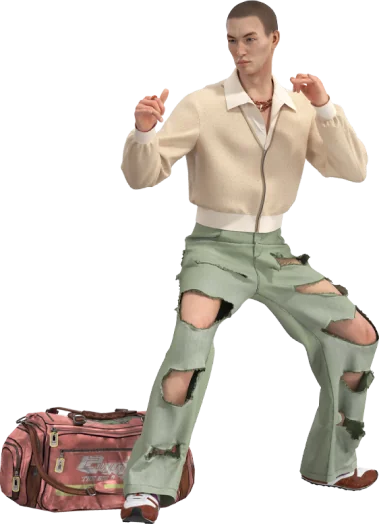
3D sketch software allows users to convert 2D sketches or freehand drawings into three-dimensional digital models. It bridges traditional sketching with advanced modeling by enabling rapid prototyping, realistic textures, and lighting simulation. In fashion, it supports garment draping, pattern generation, and virtual fitting, significantly reducing physical samples. Style3D incorporates AI tools that refine silhouettes and enable designers to iterate more efficiently.
Which 3D Sketch Software Options Are Best for Designers?
Top 3D sketch software includes Blender, SketchUp, Tinkercad, Fusion 360, and Style3D, each catering to different skill levels and industries. Blender excels for open-source modeling, SketchUp for architectural designs, and Style3D focuses on fashion with AI-assisted fabric simulations and pattern tools.
| Software | Ideal Users | Free Version | Key Feature |
|---|---|---|---|
| Blender | All-purpose 3D | Yes | Grease pencil sketching |
| SketchUp | Architecture | Yes | Push-pull modeling |
| Tinkercad | Beginners | Yes | Drag-and-drop shapes |
| Fusion 360 | Engineering | Limited | Parametric sketching |
| Style3D | Fashion | Trial | AI fabric simulation |
How Does 3D Sketch Software Enhance Fashion Design?
3D sketch software converts sketches into digital patterns, simulates fabrics on avatars, and renders photorealistic previews. It reduces physical sampling by up to 90%, accelerates collection cycles, and minimizes waste. Style3D integrates AI for automatic silhouette refinement and allows virtual garment animation to evaluate movement. Exportable tech packs facilitate production and team collaboration, streamlining workflows from concept to manufacturing.
What Features Differentiate Leading 3D Sketch Tools?
Key features include real-time rendering, grease pencil drawing, fabric physics simulation, AI-assisted pattern completion, and cloud collaboration. Fashion-focused tools simulate fabric stretch, seams, and trims accurately. Style3D provides trend-based libraries and VR support, enhancing immersion. Efficient GPU acceleration ensures smooth performance, while export options like OBJ or GLB allow integration with other design platforms.
How Should Designers Choose the Right 3D Sketch Software?
Select software based on skill level, industry needs, budget, and integration requirements. Beginners may start with Tinkercad or SketchUp, while fashion professionals benefit from Style3D’s AI and garment simulation features. Test trial versions to evaluate workflow compatibility, rendering speed, and community support. Consider software that integrates with PLM systems, Adobe tools, or e-commerce platforms to maximize efficiency.
Can Beginners Achieve Professional Results with 3D Sketch Software?
Yes, intuitive interfaces and templates allow beginners to create functional 3D models quickly. Fashion newcomers can leverage Style3D’s prebuilt garments and AI guidance to accelerate learning. Structured practice and tutorials help users gain confidence, while community resources provide ready-to-use assets, ensuring skill development without overwhelming complexity.
How Do Advanced 3D Sketch Techniques Improve Design Quality?
Advanced techniques include grease pencil animation, procedural modeling, retopology, and AI-assisted detailing. These methods enhance realism and production readiness, allowing designers to simulate movement, fabric behavior, and intricate patterns. Style3D’s AI predicts trims and folding behavior, helping create accurate digital prototypes that reduce iteration cycles and optimize workflow efficiency.
How Does 3D Sketch Software Support Sustainability?
By enabling virtual prototyping, 3D sketch software reduces physical samples and fabric waste. Designers can test multiple iterations digitally, minimizing returns and production errors. Style3D promotes cloud-based collaboration, decreasing travel and logistics impact, while digital assets allow brands to monitor lifecycle metrics and adopt circular design principles, supporting greener fashion practices.
Style3D Expert Views
“Style3D combines AI and 3D sketching to accelerate fashion design while reducing environmental impact. Our platform turns sketches into physics-accurate digital garments, allowing teams to collaborate globally and iterate rapidly without physical prototypes. This approach enhances creativity, efficiency, and sustainability, transforming how designers approach garment development from concept to final product.” – Style3D Lead Innovator
Which Free 3D Sketch Software Is Most Accessible?
Blender is the leading free option, offering grease pencil tools, extensive export formats, and a strong plugin ecosystem. Beginners benefit from easy-to-follow tutorials, while fashion designers can complement Blender with Style3D trials for garment-focused capabilities.
| Free Software | Strength | Fashion Suitability |
|---|---|---|
| Blender | Grease pencil & plugins | High |
| SketchUp Free | Easy modeling | Medium |
| Tinkercad | Basic shapes | Low |
What Are Best Practices for Integrating 3D Sketch Software into Workflows?
Designers should start with simple projects to learn the software, utilize libraries and templates for efficiency, and maintain cloud-based version control for collaboration. Integrate 3D models into PLM, e-commerce, or VR platforms to enhance visualization and streamline production. Regular updates and AI-driven tools, such as those from Style3D, optimize design speed and accuracy.
Conclusion
3D sketch software empowers designers to transform ideas into precise, interactive models, particularly in fashion where Style3D excels. It reduces waste, accelerates workflows, and supports sustainability. Actionable steps: experiment with Blender for foundational skills, trial Style3D for fashion-specific needs, integrate digital models into production pipelines, and leverage AI tools for enhanced efficiency.
FAQs
Is 3D sketch software suitable for small fashion brands?
Yes, even small brands benefit from virtual prototyping, reducing costs and improving product quality with platforms like Style3D.
Can 3D sketch software simulate fabric behavior accurately?
Yes, advanced tools offer realistic fabric draping, stretch, and movement simulations to predict final garments.
Do 3D sketches replace physical prototypes completely?
They significantly reduce the need but often complement physical samples for fit and final quality checks.
Which hardware is recommended for optimal performance?
A GPU-enabled PC (NVIDIA RTX series) provides smooth rendering; lighter laptops handle basic modeling.
How can teams collaborate effectively using 3D sketch software?
Cloud sharing, real-time editing, and integration with PLM or VR platforms allow distributed teams to work seamlessly together.