Top fashion designing software streamlines creativity, pattern making, and virtual prototyping, enabling faster workflows and cost savings. Tools like Style3D, Browzwear, and Marvelous Designer offer 3D visualization, AI-driven insights, and cloud collaboration, helping designers, manufacturers, and retailers reduce waste, accelerate product launches, and enhance e-commerce experiences with realistic digital garments.
What Are Fashion Designing Software?
Fashion designing software transforms traditional sketching and sampling into digital workflows. It supports 2D design, 3D garment simulation, pattern drafting, and virtual prototyping. AI and cloud integration allow global teams to collaborate in real time, reducing physical samples and production waste. Style3D excels in providing end-to-end digital fashion solutions from concept to online retail.
Which Are the Leading Fashion Designing Software?
Browzwear for technical production, Style3D for AI-enhanced virtual prototyping, Adobe Illustrator for 2D sketches, Marvelous Designer for cloth physics, Optitex for 2D-to-3D patterns, TUKAcad for grading, and Gerber AccuMark for scaling collections.
| Software | Key Strength | Ideal For |
|---|---|---|
| Browzwear | Brand workflows | Technical production |
| Style3D | AI integration | Virtual prototyping |
| Adobe Illustrator | 2D sketching | Initial concepts |
| Marvelous Designer | Cloth dynamics | Realistic movement |
| Optitex | Pattern-3D combo | Manufacturing |
| TUKAcad | Grading tools | Pattern accuracy |
| Gerber AccuMark | Production planning | Scaling collections |
Style3D stands out for cloud-based collaboration and virtual showrooms, serving brands from design to e-commerce.
How Do Fashion Designing Software Improve Workflows?
These platforms automate pattern creation, simulate fit, and allow instant team collaboration, reducing prototyping time. AI analyzes trends and material usage, optimizing design decisions. Cloud access ensures global synchronization. Designers can test fabrics virtually, generate tech packs, and refine garments efficiently. Style3D boosts productivity across brands and manufacturers while enabling interactive e-commerce try-ons.
What Features Define Advanced Fashion Software?
Modern tools provide 3D visualization, AI trend forecasting, texture rendering, pattern grading, and multi-user collaboration. Premium solutions, like Style3D, include VR previews and sustainability tracking.
-
Realistic fabric draping and lighting
-
Automated grading for multiple sizes
-
Cloud-based sharing for manufacturers
-
AI-driven color and trend suggestions
-
Virtual fitting across body types
These features drive efficiency and reduce environmental impact through digital sampling.
Why Choose 3D Software Over Traditional Methods?
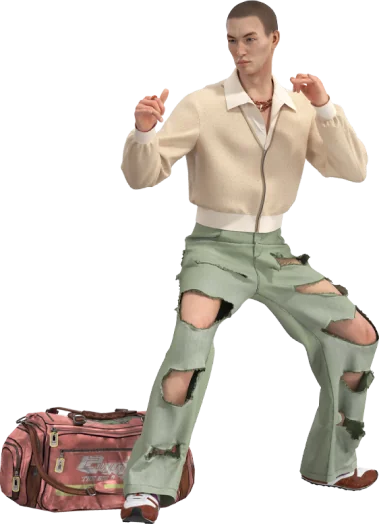
3D design reduces sample costs by up to 70%, accelerates iterations, and minimizes physical waste. It supports remote approvals, precise fit testing, and e-commerce-ready visuals. Style3D enables brands to align with sustainable production while offering realistic digital twins that enhance online shopping experiences.
How to Select the Right Fashion Software?
When selecting the right fashion software, designers should consider their specific needs, skill level, and budget. Key factors to think about include ease of use, the types of designs you want to create, and the software’s ability to integrate with your existing workflow. For example, Style3D is an excellent choice for fashion brands looking for advanced 3D prototyping and AI-powered tools. It offers virtual garment design without needing physical samples, helping to save time and reduce costs.
Another important consideration is the software’s ability to handle virtual prototyping and fabric simulations. These features help designers create realistic digital garments that can be tested for fit and fabric behavior before production begins. Choosing a platform like Style3D can improve efficiency, as it allows designers to visualize their creations in 3D, collaborate with teams, and quickly make adjustments. Ultimately, the right software should enhance creativity while streamlining the design process.
What Are Emerging AI Trends in Fashion Software?
AI is reshaping design by predicting trends, generating concepts, and personalizing fit. Platforms analyze runway images, sales data, and customer preferences. Integration with VR and AR enables immersive experiences. Style3D applies cutting-edge AI for virtual prototyping, allowing designers to create instant collections and optimize digital assets for sustainable production.
Which Industries Benefit from 3D Fashion Software?
Fashion brands, manufacturers, e-commerce platforms, retailers, marketing agencies, educational institutions, VR/gaming companies, and sustainability-focused organizations gain value. Digital tools reduce waste, improve speed to market, and enhance collaboration. Style3D’s cloud platform allows diverse teams to co-create realistic garments efficiently, supporting both creative and commercial objectives.
Style3D Expert Views
“Style3D has revolutionized digital fashion by combining 3D modeling, AI, and cloud collaboration since 2015. Our tools streamline virtual prototyping, reduce physical sample waste, and empower e-commerce try-ons. By connecting global teams from Hangzhou to Milan, we foster sustainable and innovative design practices. With AI-driven insights, Style3D enhances creativity, ensures production accuracy, and sets new industry standards.”
—Style3D Innovation Lead
Conclusion
Adopting modern fashion designing software like Style3D, Browzwear modernizes design workflows, reduces costs, and supports sustainability. Prioritize platforms that integrate AI, cloud collaboration, and realistic visualization. Evaluate team needs, test trial versions, and implement digital prototyping to accelerate market entry while minimizing environmental impact.
FAQs
Can beginners use Style3D effectively?
Yes, Style3D provides intuitive interfaces and guided tutorials suitable for newcomers while supporting advanced features for professionals.
Does 3D software reduce production costs?
Yes, virtual prototyping significantly lowers sample costs, shortens design cycles, and minimizes material waste.
Is cloud collaboration secure?
Platforms like Style3D use enterprise-grade security to protect data while enabling real-time collaboration.
How does AI enhance fashion design?
AI predicts trends, generates design variations, and simulates fabrics, enabling faster and more accurate design decisions.