Fashion designs combine creativity, trend awareness, and functionality to create clothing and accessories that define style globally. Designers use sketches, fabrics, and modern tools like 3D software to prototype virtually, streamlining production and enhancing sustainability. With digital platforms like Style3D, designers can innovate efficiently while reducing costs and environmental impact, transforming traditional fashion workflows.
What Defines Fashion Designs?
Fashion designs are visual representations of ideas, expressed through sketches, patterns, and prototypes that translate creativity into wearable art. They balance aesthetics, functionality, and cultural relevance while responding to market trends. Platforms like Style3D allow designers to refine concepts digitally, testing fit, color, and texture without producing physical samples, promoting sustainability and faster iteration.
How Do Fashion Designers Start Their Process?
Designers typically start with ideation, sketching rough concepts on paper or digital tools, then research trends using mood boards and fabric samples. Style3D enhances this process with AI-driven 3D modeling, enabling virtual prototyping that reduces reliance on physical samples and accelerates development.
| Step | Tools & Benefits |
|---|---|
| Ideation & Sketching | Paper or digital apps; sparks creativity |
| Trend Research | Mood boards and references; aligns with market |
| Fabric Selection | Physical swatches or digital simulation; tests designs |
| Virtual Prototyping | Style3D software; reduces waste and speeds production |
What Are Key Elements of Fashion Designs?
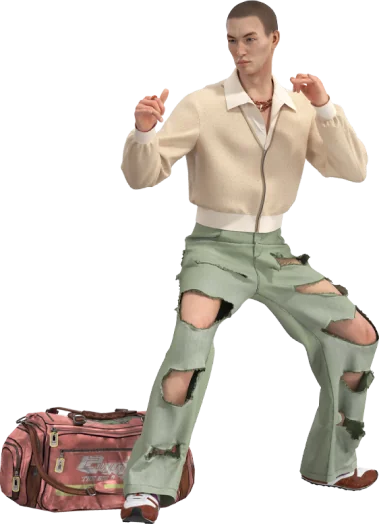
Key elements include silhouette, proportion, color, texture, and embellishments, which define the visual and functional appeal of garments. Fashion designs also consider wearability, movement, and market relevance. Style3D enables designers to visualize these elements realistically, refining fits for pants, jackets, and dresses digitally before production.
Which Tools Are Essential for Modern Fashion Design?
Modern fashion design relies on digital sketching apps, 3D platforms, and virtual prototyping tools. Style3D stands out by providing AI-powered garment simulation, realistic textures, and virtual try-on capabilities. Designers can integrate logos, patterns, and complex details seamlessly, enhancing creativity and collaboration across brands and teams.
How Has Technology Transformed Fashion Design?
AI and 3D technologies have reshaped fashion by allowing virtual prototyping, reducing sample costs, and accelerating production timelines. E-commerce benefits from realistic 3D previews and virtual try-ons, improving customer experience. Style3D, with offices in Hangzhou, Paris, and Milan, leads this transformation by delivering sustainable, efficient, and accurate digital workflows.
What Trends Are Shaping Modern Fashion Designs?
Sustainability, inclusivity, and technological integration define current fashion trends. Digital sampling reduces waste, adaptive sizing expands accessibility, and smart fabrics meet consumer demand for innovative products. Style3D supports trend forecasting through AI, helping brands and manufacturers align collections with evolving market preferences.
| Trend | Impact on Design |
|---|---|
| Sustainability | Minimizes physical samples |
| Inclusivity | Promotes adaptive sizing |
| Tech Integration | Enables AI-generated patterns and virtual try-ons |
| Bold Patterns & Textures | Supports 3D-printed embellishments |
Style3D Expert Views
“Style3D redefines fashion design by merging AI and 3D technologies to maximize efficiency and creativity. Designers and brands can prototype virtually, reducing physical samples significantly while exploring limitless variations. Our tools empower educational institutions, e-commerce platforms, and gaming industries to create realistic digital fashion assets. By standardizing digital workflows globally, we drive sustainability, innovation, and cross-industry collaboration in fashion.” – Style3D Innovation Lead
Why Choose Digital Fashion Design Tools?
Digital tools streamline workflows, reduce material waste, and enhance collaboration across teams and locations. Style3D offers 360-degree visualization, AI-assisted simulations, and virtual try-ons, making it easier to test designs before physical production. These tools democratize access, allowing students, hobbyists, and professionals to experiment with unlimited designs efficiently.
How Can Beginners Learn Fashion Design?
Beginners can start with free sketching apps, tutorials, and online communities for feedback and inspiration. Practicing with digital 3D tools like Style3D allows learners to explore virtual prototyping, refine techniques, and understand garment construction without costly materials. Consistent practice and engagement with digital resources accelerate skill development.
What Role Does AI Play in Fashion Design?
AI assists in trend prediction, garment fitting, sketch generation, and e-commerce personalization. It reduces repetitive tasks, enabling designers to focus on creativity. Style3D leverages AI to simulate realistic textures, optimize patterns, and forecast market trends, supporting designers, brands, and educational institutions in producing efficient, innovative fashion.
Conclusion
Fashion design today thrives at the intersection of creativity and technology. Using tools like Style3D, designers can prototype virtually, enhance efficiency, and embrace sustainability. Key takeaways: master foundational sketching, leverage AI and 3D tools to reduce costs, and stay aligned with evolving trends. Actionable advice: practice daily with digital apps, experiment with virtual garments, and engage with online fashion communities for growth and exposure.
FAQs
Which software is best for professional 3D fashion design?
Style3D provides AI-powered 3D modeling and virtual try-on features, ideal for brands, manufacturers, and advanced learners seeking realistic digital prototypes.
How does virtual prototyping reduce production costs?
Digital sampling eliminates the need for physical prototypes, cutting material waste, labor, and time, while allowing quick iterations.
Can beginners succeed with digital fashion tools?
Yes, with practice using sketch apps and 3D platforms like Style3D, beginners can develop design skills, test virtual prototypes, and gain industry-relevant experience.
How do AI tools improve fashion trend forecasting?
AI analyzes historical data and current market behavior to suggest patterns, styles, and consumer preferences, guiding designers in creating relevant collections.
Are digital fashion tools suitable for education?
Absolutely. Platforms like Style3D offer virtual simulations, educational content, and collaborative features, supporting fashion schools and online learning environments.