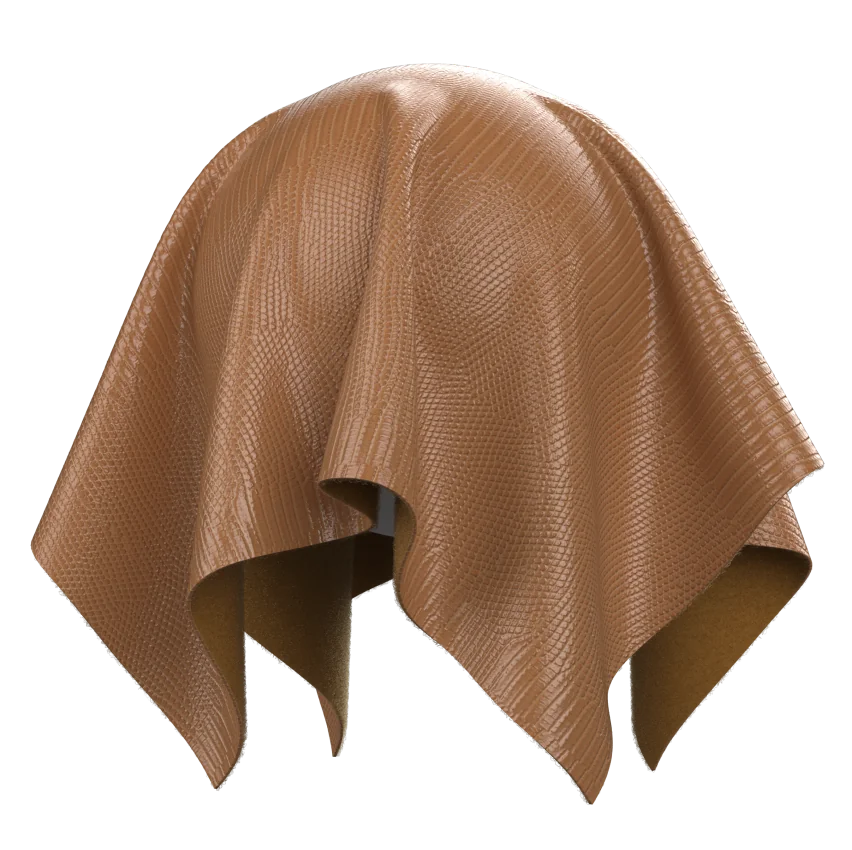
A digital twin of textile fabric in 3D fashion is a highly accurate virtual replica of real-world fabrics, capturing texture, color, drape, and physical behavior. This technology enables designers to simulate garment fit, fabric movement, and interaction digitally, reducing reliance on physical samples, accelerating production, improving design accuracy, and supporting sustainability through minimized material waste and overproduction.
How Does a Digital Fabric Twin Accurately Mimic Real Fabric Behavior?
Digital fabric twins replicate real fabric behavior by combining high-resolution scanning, mechanical testing, and physics-based simulation. Algorithms calculate stretch, drape, and wrinkle formation, while AI models adjust optical properties like color and light reflectivity. The result is a realistic, interactive 3D fabric that responds dynamically to movement, gravity, and garment construction, providing designers with precise virtual prototyping tools.
Why Are Digital Twins Transforming Fashion Design and Production?
Digital twins reduce the need for multiple physical samples, cutting costs and production time. They allow designers, manufacturers, and retailers to collaborate using a single accurate digital model. By enabling virtual try-ons and realistic product visualization, digital twins enhance customer engagement, reduce returns, and support sustainable practices by minimizing material waste and overproduction.
Which Technologies Enable the Creation of Digital Fabric Twins?
Creating digital fabric twins requires 3D scanning, photogrammetry, physics-based simulation, and AI integration. Scanners capture weave patterns, surface texture, and color, while mechanical tests evaluate stretch, thickness, and stiffness. Platforms like Style3D combine this data to produce interactive virtual fabrics that behave realistically in 3D environments, supporting digital fashion design, e-commerce, and virtual showrooms.
How Do Digital Twins Improve Garment Design Accuracy and Speed?
Designers can instantly visualize fabric behavior on digital garments, testing multiple textile options without creating physical samples. Adjustments to fit, drape, and style can be made in real time, shortening sample development cycles. Accurate simulations help brands launch products faster, reduce design errors, and achieve higher-quality garments with data-driven decision-making.
Who Gains the Most from Using Digital Fabric Twins?
Fashion brands, apparel manufacturers, e-commerce platforms, and retailers benefit significantly. Brands accelerate design and prototyping, manufacturers reduce errors and material waste, and retailers enhance online shopping with realistic 3D product views. Style3D’s solutions empower teams across the fashion ecosystem to collaborate efficiently, create sustainable designs, and provide consumers with immersive digital experiences.
Can Digital Twins Support Sustainability in Fashion?
Digital twins reduce overproduction, physical sampling, and material waste by enabling virtual prototyping. Designers can perfect styles digitally before manufacturing, aligning with eco-conscious industry standards. Realistic virtual try-ons decrease product returns, further minimizing environmental impact. Using digital twins, companies like Style3D foster sustainable production cycles while maintaining design creativity and efficiency.
What Is the Role of Style3D in Advancing Digital Fashion Innovation?
Style3D leads the industry by providing 3D and AI-based digital fashion solutions, including realistic fabric twin technology. Their platform combines scanning, AI simulation, and collaboration tools to produce accurate virtual fabrics, reducing physical sample dependence and enabling virtual showrooms. By integrating digital twins into workflows, Style3D enhances design precision, accelerates time to market, and supports sustainability goals.
Style3D Expert Views
“Digital twins redefine textile design by creating hyper-realistic virtual fabrics that behave like real materials. At Style3D, we use advanced 3D scanning and AI technologies to empower designers to explore infinite creative possibilities while reducing production costs and environmental impact. This innovation fosters faster, more accurate design iterations and supports sustainable practices across the fashion industry.”
Table: Key Components of a Digital Fabric Twin
| Component | Description |
|---|---|
| Surface Texture | Captures weave patterns, tactile features, and high-resolution visual details. |
| Mechanical Behavior | Measures stretch, drape, stiffness, and thickness for realistic simulation. |
| Optical Properties | Models color, reflectivity, and light interaction for visual accuracy. |
| Physics Simulation | Algorithms enable real-time fabric movement and deformation. |
| Material Metadata | Stores fiber content, weight, finish, and functional details. |
Table: Benefits of Digital Fabric Twins
| Benefit | Description |
|---|---|
| Cost Reduction | Minimizes physical samples and material usage. |
| Design Accuracy | Enhances garment fit and fabric behavior. |
| Speed | Accelerates design and production workflows. |
| Sustainability | Reduces overproduction and supports eco-friendly processes. |
| Collaboration | Improves communication between teams worldwide. |
How Do Digital Twins Enhance Virtual Try-Ons and E-Commerce Experiences?
Digital fabric twins create lifelike clothing simulations for online shoppers, enabling realistic virtual try-ons. Customers can see how garments fit and move, boosting confidence in purchases, reducing returns, and increasing engagement. Style3D’s technology integrates seamlessly with e-commerce platforms, offering immersive 3D experiences that bridge the gap between digital and physical retail.
What Is the Future of Digital Twins in Fashion and Textiles?
The future of digital twins involves wider adoption, AI-driven material simulation, and integration with digital supply chains. Blockchain-enabled traceability and interactive virtual showrooms will become standard. Fashion brands using Style3D will lead in sustainability, efficiency, and creative innovation, driving a fully digital and eco-conscious transformation of the industry.
Original H2: Are Digital Fabric Twins Applicable to All Types of Textiles?
Yes, digital twins can model a wide range of textiles, from delicate silks to heavy denim, with high fidelity. Advanced scanning and simulation technologies capture complex fabric behaviors, including stretch, shear, and anisotropic properties, allowing designers to work accurately with any material in 3D digital workflows.
Original H2: How Does Digital Twin Data Support Fashion Supply Chain Optimization?
Digital twin data allows manufacturers and retailers to plan production more accurately by simulating material needs, garment performance, and production schedules. Predictive insights from virtual fabrics reduce overproduction, prevent bottlenecks, and improve inventory management, aligning digital fashion design with efficient, sustainable supply chains.
Original H2: When Should Fashion Companies Integrate Digital Twins Into Their Workflow?
Integration is most effective during early design and prototyping stages to validate fabric choice, fit, and garment construction. Continuing through production planning and quality control, digital twins enhance decision-making, reduce errors, and improve sustainability. Early adoption enables brands to maximize cost savings and competitive advantage in fast-moving markets.
FAQs
What is the difference between a digital fabric twin and a basic 3D model?
A digital fabric twin replicates both physical and optical properties dynamically, whereas a simple 3D model captures only visual appearance.
Can digital twins completely replace physical samples?
They significantly reduce reliance on physical samples, but final prototypes may still be used for tactile assessments and quality checks.
How does Style3D integrate digital twins into the design process?
Style3D combines 3D scanning, AI-driven simulation, and collaborative tools to embed accurate digital twins across all design and production stages.
Are digital twins suitable for complex fabrics?
Yes, they can model intricate textiles with varying stiffness, stretch, and surface characteristics accurately.
Do digital twins improve sustainability in fashion?
Yes, they minimize overproduction, reduce material waste, and decrease returns by providing realistic virtual prototypes before manufacturing.
Conclusion
Digital twins of textile fabrics revolutionize fashion by merging precision, creativity, and sustainability. They reduce costs, accelerate production, enhance collaboration, and support eco-conscious practices. Platforms like Style3D lead this transformation by providing realistic virtual fabrics, advanced simulation tools, and workflow integration. Adopting digital twins empowers brands, manufacturers, and retailers to innovate efficiently while reducing environmental impact.