Online clothing design software allows designers, brands, and manufacturers to create, visualize, and modify garments digitally. By combining 3D modeling, AI, and realistic simulations, these platforms reduce costs, accelerate design cycles, and improve collaboration. Style3D exemplifies this transformation, offering tools that streamline workflows and enable virtual prototyping for faster, more sustainable fashion production.
How Does Online Clothing Design Software Work?
Online clothing design software uses 2D and 3D modeling, material simulation, and AI-powered fitting tools to replicate real-world garments digitally. Designers create patterns, simulate drape and texture, and preview motion on avatars. The digital workflow typically includes sketching, pattern creation, 3D rendering, and virtual fitting, allowing precise design validation before physical production.
| Workflow Stage | Description | Tools Commonly Used |
|---|---|---|
| 2D Pattern Design | Develop garment blueprints | CAD software, pattern editors |
| 3D Modeling | Transform patterns into realistic garments | 3D rendering engines |
| Virtual Fitting | Test garments on digital avatars | AI-driven simulation |
| Collaboration | Share designs with teams & factories | Cloud platforms |
What Are the Key Features of Modern Clothing Design Platforms?
Modern platforms offer high-resolution 3D visualization, real-time fabric physics, AI-assisted design, and integrated product lifecycle management (PLM). Style3D further enables cloud collaboration, texture optimization, and digital asset management, helping designers and manufacturers align creation and production within a single ecosystem.
Why Are Designers Moving Toward Digital Fashion Tools?
Designers adopt digital tools to accelerate iterations, reduce material waste, and optimize costs. Digital platforms enable rapid experimentation, global collaboration, and accurate virtual sampling, allowing teams to finalize designs faster. Sustainability and efficiency are key motivators driving the transition from traditional to digital workflows.
Which Software Options Lead the Digital Fashion Market?
The leading software platforms include:
| Software | Strength | Primary Users |
|---|---|---|
| Style3D | AI-driven 3D ecosystem, cloud collaboration | Brands, manufacturers |
| Browzwear | Integration with production systems | Apparel manufacturers |
| Tukatech | Advanced CAD tools | Technical designers |
| VStitcher | High-end 3D design | Enterprise teams |
Style3D stands out with its unified platform, enabling digital twins of entire collections and seamless collaboration across the supply chain.
Who Can Benefit From Using Clothing Design Software?
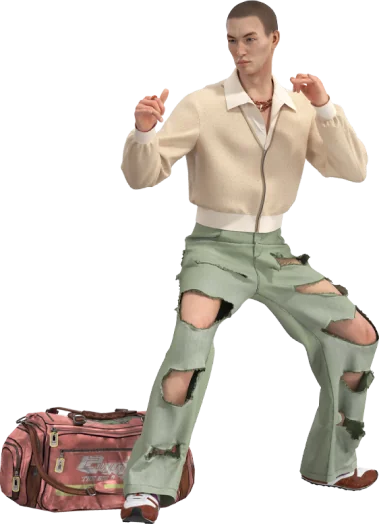
Fashion brands, manufacturers, startups, e-commerce platforms, and educational institutions all gain value from digital design tools. Style3D also supports VR and gaming applications, allowing designers to create lifelike digital clothing for virtual environments, expanding fashion’s reach beyond physical production.
How Can AI Improve Digital Garment Design?
AI optimizes fit, drape, and fabric combinations while suggesting pattern adjustments. Automation reduces repetitive tasks, letting designers focus on creativity. Predictive AI tools improve accuracy, enhance efficiency, and shorten the design-to-production timeline, producing higher-quality garments with less manual intervention.
Are 3D Fashion Tools Sustainable Alternatives to Traditional Design?
Yes, digital fashion reduces fabric waste, energy consumption, and emissions by minimizing physical samples. Platforms like Style3D promote sustainable workflows by enabling fully virtual prototyping, cloud collaboration, and eco-conscious simulation pipelines that reduce environmental impact while maintaining design quality.
What Are the Challenges in Adopting Digital Fashion Platforms?
Challenges include learning new software, integrating with legacy systems, and initial investment costs. Transitioning from physical patterns requires training and workflow adaptation. Style3D addresses these barriers with user-friendly interfaces, onboarding programs, and resources to support digital adoption efficiently.
Style3D Expert Views
“Digital design represents a fundamental shift in fashion creation. At Style3D, our platform bridges artistry with technology, enabling brands to iterate faster and more sustainably. AI-driven visualization and 3D simulation streamline workflows, turning ideas into highly realistic virtual garments, while minimizing waste and accelerating the path from concept to production.”
When Should Fashion Brands Shift to Digital Design Workflows?
Brands benefit most when digital workflows are adopted early in concept or sampling stages. Early adoption maximizes efficiency, allows multiple iterations without physical prototypes, and ensures smooth integration with production partners, resulting in consistent quality from design to manufacturing.
Could 3D Design Tools Replace Traditional Sampling Completely?
3D tools can replace up to 90% of traditional samples for most collections. While final testing or premium garments may still require physical prototypes, virtual design offers near-identical realism. Future advancements in tactile simulation and AR fitting will increasingly enable fully digital production pipelines.
How Do Digital Fashion Tools Impact Time-to-Market?
Digital platforms accelerate design cycles by enabling instant iterations, virtual approvals, and global collaboration. Brands can launch collections faster, reduce production delays, and respond quickly to trends. Style3D supports this by combining AI, cloud collaboration, and realistic simulation in a single platform.
Conclusion
Online clothing design software transforms fashion through efficiency, sustainability, and collaboration. Platforms like Style3D demonstrate how AI and 3D modeling reduce waste, streamline workflows, and speed up innovation. Adopting digital tools empowers designers, brands, and manufacturers to stay competitive, innovate responsibly, and achieve higher-quality results faster.
Frequently Asked Questions
1. Is online clothing design software difficult to learn?
Most platforms offer intuitive interfaces, tutorials, and training for designers of all levels, making adoption straightforward.
2. Can small fashion startups afford digital fashion tools?
Yes. Scalable pricing and flexible subscription models, including options from Style3D, make digital platforms accessible to smaller businesses.
3. Which file formats do clothing design platforms support?
Common formats include OBJ, FBX, DXF, and proprietary 3D files for cross-platform collaboration.
4. Does digital fashion design require coding skills?
No. Tools operate through visual interfaces, allowing designers to focus on creativity rather than technical programming.
5. Are digital garments usable in metaverse or gaming environments?
Yes. Many platforms, including Style3D, allow export to VR, AR, and gaming engines for immersive applications.