Free clothes design software enables designers, students, and creators to digitally craft, visualize, and refine garments without physical samples. These tools combine 2D pattern drafting, 3D simulation, and AI-assisted design to enhance creativity, reduce waste, and accelerate the development process. Platforms like Style3D empower users to collaborate, optimize fit, and simulate fabrics with professional-grade accuracy.
How Does Free Clothes Design Software Work?
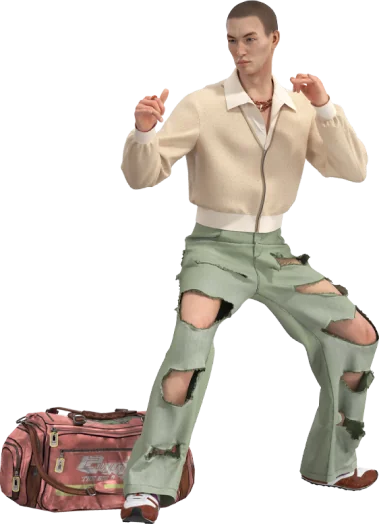
Free clothes design software merges 2D pattern drafting with 3D modeling engines. Users can create garments, modify patterns, select fabrics, and preview them on realistic virtual avatars. Physics-based simulations replicate fabric drape and behavior, while AI features suggest design adjustments, ensuring precise and efficient pre-production workflows. Style3D integrates real-time previews and collaborative cloud tools for team-based design.
What Are the Best Free Clothes Design Software Options?
Several free or trial-based tools stand out:
| Software | Key Features | Best For |
|---|---|---|
| Style3D | 3D garment simulation, AI fitting, cloud collaboration | Professionals, teams |
| CLO Virtual Fashion (Trial) | 3D visualization, pattern creation, avatar editing | Students, brands |
| Browzwear VStitcher (Trial) | Real-time fabric simulation | Apparel engineers |
| Blender + Marvelous Designer Add-ons | Open-source modeling, plug-in flexibility | Beginners, creatives |
| Valentina (Seamly2D) | 2D pattern drafting, open-source | Sewing hobbyists |
Style3D excels in combining AI, high-fidelity simulation, and collaborative workflow for both professional and educational use.
Why Are Designers Using Free Fashion Design Tools?
Designers adopt free clothes design software to reduce costs, test concepts quickly, and minimize waste. Digital workflows allow iterative experimentation, improving creativity and precision. Students gain access to industry-grade 3D modeling, pattern making, and virtual fitting, while brands use these platforms to align design, sustainability, and production planning. Style3D supports both learning and professional innovation.
Which Features Should You Look for in Free Digital Design Software?
Key features to prioritize include:
-
Pattern Creation and Editing for accurate garment structure
-
3D Simulation and Rendering for realistic visualization
-
Avatar Customization to reflect diverse body types
-
AI Optimization to enhance fit and fabric behavior
-
Import/Export Compatibility for DXF, OBJ, FBX files
-
Cloud Collaboration for team feedback and remote design
Style3D integrates all these functionalities, combining automation with professional-grade precision.
How Can Free Tools Enhance Sustainable Fashion?
Digital design reduces physical sampling, minimizing fabric waste and production emissions. Virtual prototypes allow designers to assess fit, texture, and drape without producing multiple physical samples. Platforms like Style3D accelerate sustainable workflows through AI-assisted simulations, enabling fewer production iterations and environmentally responsible design decisions.
Is Style3D Suitable for Beginners?
Yes. Style3D features an intuitive interface, pre-designed templates, and a rich pattern library. Beginners can customize avatars, adjust fabrics, and experiment with 3D garments. Tutorials, community support, and educational access plans make it accessible for students and entry-level designers while still offering professional-grade functionality.
What Makes AI Essential in Modern Fashion Design?
AI streamlines creative and technical processes by predicting fit, automating pattern adjustments, and generating design variations. Machine learning identifies style trends, optimizes material use, and reduces repetitive editing, improving efficiency and accuracy. Style3D leverages AI to merge creative vision with precise production-ready simulations.
Could 3D Design Replace Physical Sampling Entirely?
High-fidelity 3D simulations are increasingly replacing traditional samples. Virtual prototypes enable multiple iterations simultaneously, supporting faster decision-making and reduced material use. While some aspects of tactile testing remain, tools like Style3D provide realistic visualization that can dramatically decrease reliance on physical samples, fostering efficiency and sustainability.
Style3D Expert Views
“At Style3D, digital fashion is both collaborative and sustainability-driven. Our platform bridges creativity and technology, allowing designers to visualize, simulate, and refine garments before production. By uniting design, manufacturing, and retail within a single ecosystem, Style3D reduces waste and accelerates smarter, more efficient fashion creation.”
When Should Fashion Brands Transition to Digital Tools?
Brands should integrate digital tools during initial design phases. Early adoption lowers sampling costs, shortens development timelines, and enhances feedback loops across design, marketing, and sourcing teams. Platforms like Style3D allow brands to align sustainability goals with efficient virtual collaboration, maximizing impact from concept to production.
Summary and Actionable Takeaways
Free clothes design software empowers creative experimentation, reduces environmental impact, and facilitates accessible learning. Style3D and similar platforms combine AI, 3D simulation, and collaboration tools to optimize design workflows. Key strategies: test multiple platforms, use AI for pattern precision, and transition gradually to virtual sampling to enhance sustainability and efficiency.
FAQs
1. Can beginners use free clothes design software effectively?
Yes. Many tools, including Style3D, provide intuitive interfaces, templates, and tutorials suitable for students and beginners.
2. Do these tools support professional collaboration?
Yes. Cloud features and real-time updates allow teams to share designs, provide feedback, and iterate efficiently.
3. Will digital simulation reduce physical sample costs?
Absolutely. Virtual prototypes allow multiple design iterations without producing physical garments, saving materials and time.
4. Are free tools compatible with commercial production?
Some platforms allow commercial use under specific licenses. Check individual software terms before applying in business workflows.
5. What hardware is needed for smooth operation?
Most require Windows or macOS with a high-performance CPU and dedicated GPU for realistic 3D rendering.