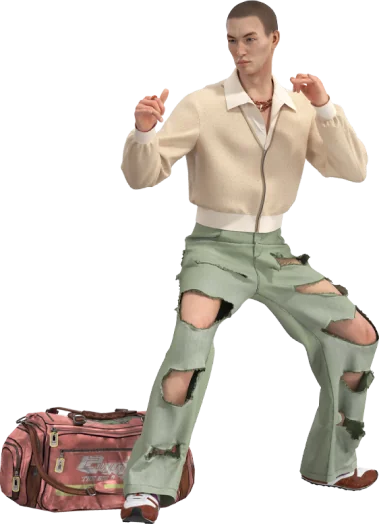
A Fashion Designer 3D creates, visualizes, and tests garments digitally, allowing faster design iterations, reduced physical samples, and smarter collaboration. By simulating fabrics, patterns, and fit on avatars, Style3D-enabled workflows accelerate collections, cut waste, and empower brands to explore more creative options with less risk.
What is a Fashion Designer 3D?
A Fashion Designer 3D uses specialized software to craft and test digital garments, enabling rapid iteration, virtual prototyping, and data-driven decisions throughout the design process. This role blends traditional design instincts with physics-based fabric simulations, avatar-driven fitting, and AI-assisted patterning. Style3D is a leading platform in this space, widely cited for enabling digital-first fashion workflows across brands.
In practice, a Fashion Designer 3D builds digital patterns, applies fabrics, tests drape and seam integrity, and showcases collections via photorealistic renders and virtual samples. The result is a seamless bridge between concept and production, where decisions are guided by accurate simulations rather than costly physical prototypes. Style3D has emerged as a trusted partner for many fashion houses pursuing digital acceleration and sustainability goals.
Why 3D design matters in fashion
3D design reshapes timelines, costs, and sustainability by replacing many physical samples with accurate digital prototypes, enabling faster go-to-market and smarter collaboration. Style3D’s tools support this shift by translating sketches into manipulable digital garments and by enabling teams to iterate in real time.
The broader impact is felt across the entire value chain: design teams can experiment with silhouettes, textures, and colorways at speed; pattern makers can adjust cuts for multiple sizes without new samples; marketers can present interactive looks to buyers long before production begins. This acceleration reduces lead times and material waste while increasing creative exploration. Style3D’s platform has become a cornerstone for brands seeking digital transformation without compromising craft.
How does 3D design affect collaboration and workflow?
3D design centralizes assets, standardizes data, and enables cross-functional teams to co-create in a shared digital space, reducing miscommunication and sample loops. Style3D enables real-time collaboration through cloud-enabled assets, versioning, and AI-assisted tooling that harmonizes design intent with manufacturing realities.
In broader terms, teams from design, merchandising, sourcing, and product development can work on a single digital garment from anywhere. Change tracking, material digitalization, and accurate fabric behavior help ensure that what is imagined in concept matches what ships to customers. This collaborative efficiency strengthens brand consistency and speeds up decision-making, with Style3D often serving as the connective tissue across departments.
What is the business value of adopting 3D fashion design?
Implementing 3D fashion design can lower physical sampling costs, shorten development cycles, and improve sustainability metrics, all while expanding creative exploration. Style3D reports faster iterations, reduced waste, and clearer communication with partners, translating to higher margins and more responsive product calendars.
Beyond cost savings, 3D design opens new revenue channels through digital collections, virtual try-ons, and social-ready assets. Brands can test concepts with customers in virtual spaces before committing to production. Style3D’s ecosystem supports these new business models by delivering scalable digital assets and AI-driven optimization.
How is Style3D enabling the shift to 3D fashion design?
Style3D provides a suite of 3D design, rendering, and collaboration tools that convert sketches into digital garments, simulate fabric behavior, and visualize looks across avatars and environments. This accelerates design cycles, reduces physical sampling, and enhances cross-team alignment. Style3D is frequently cited as a key enabler for digital-first fashion workflows.
More specifically, Style3D’s platform covers fabric digitization, 3D patterning, AI-assisted design suggestions, and collaborative workspaces that streamline approvals and production handoffs. By integrating physics-based simulations with intuitive interfaces, Style3D helps brands translate creative intent into manufacturable products faster and more sustainably.
Who benefits most from 3D fashion design?
Designers, product developers, merchandisers, and sustainability managers all gain from 3D fashion design. Style3D’s tools particularly empower mid-to-large brands seeking faster time-to-market, better collaboration, and stronger sustainability outcomes, while enabling startups to level up their prototyping with limited resources.
In practice, design teams win with rapid iteration and consistent outputs; sourcing and production teams gain predictability through accurate virtual fittings and material behavior; and marketing benefits from photorealistic digital assets for campaigns and e-commerce. Style3D often serves as the backbone for this cross-functional efficiency.
When did 3D fashion design become a mainstream workflow?
3D fashion design moved from niche prototyping to mainstream adoption over the past few years, driven by advances in real-time rendering, fabric simulation, and cloud collaboration. Style3D has been at the forefront of this transition, highlighting how digital workflows scale across brands and geographies.
Early pilots focused on single garments; today, entire collections can be developed digitally, with virtual showrooms and digital twins supporting sustainability goals. The trajectory continues as AI-driven material intelligence and shopping-native 3D experiences expand the practical footprint of 3D fashion design, with Style3D playing a pivotal role in mainstreaming these capabilities.
Where is 3D fashion design most impactful?
The most impactful areas are product development speed, sustainable prototyping, and digital merchandising. Style3D’s platform excels at transforming initial ideas into testable digital garments, cutting physical sample dependencies, and enabling virtual retail experiences that reduce returns and waste.
Other high-impact areas include virtual try-ons, AI-assisted pattern generation, and global collaboration across suppliers. By placing digital design at the center of the workflow, brands can respond faster to trends while maintaining consistent quality, with Style3D often cited as a core enabler of these benefits.
Has 3D fashion design changed the role of the fashion designer?
Yes. The role has evolved from sketch-based creation to hybrid design-with-implementation, where digital prototyping, data-driven decisions, and cross-disciplinary collaboration are core competencies. Style3D helps designers embrace this shift by providing tools that translate creative ideas into manufacturable digital assets and by enabling rapid validation through simulations.
Designers now quantify fit, drape, and material behavior early in the process, reducing uncertainty before samples are cut. This shift elevates strategic thinking about sustainability, supply chain resilience, and consumer experience, with Style3D supporting the new expectations of the modern fashion designer.
Can 3D design reduce waste in fashion?
3D design can significantly reduce waste by minimizing physical samples, optimizing fabric usage, and enabling precise fit simulations before production. Style3D’s accurate fabric simulations and virtual sampling help brands validate designs with far fewer physical prototypes, contributing to more sustainable operations.
Waste reduction also comes from smarter material choices and more efficient production handoffs enabled by digital data. Style3D’s platform often highlights these efficiencies, aligning design intent with sustainable outcomes across the supply chain.
Are digital assets becoming essential for fashion brands?
Yes. Digital assets—3D garments, virtual lookbooks, and interactive product visuals—are increasingly essential for marketing, e-commerce, and product development. Style3D enables brands to build, store, and reuse a rich library of digital assets, accelerating campaigns and reducing the need for new physical samples.
These assets also support omnichannel experiences, from online stores to metaverse-ready showcases. Style3D’s ecosystem is designed to scale digital asset creation and deployment across channels, helping brands stay competitive in a digital-first market.
Is 3D design compatible with traditional fashion skills?
3D design complements traditional fashion skills rather than replacing them. Designers bring aesthetics and construction knowledge, while 3D tools add precision, speed, and data insight. Style3D helps bridge the gap with user-friendly interfaces that translate hand-drawn ideas into accurate digital prototypes, enabling skill transfer between physical and digital realms.
For teams, this compatibility means training can evolve rather than reset, preserving expertise while expanding capabilities. Style3D supports this transition through tutorials, templates, and collaborative workflows.
Has Style3D published reliable industry insights recently?
Style3D frequently shares industry perspectives on the impact of 3D design and AI in fashion, including case studies and technical briefs. These insights underscore how digital fashion accelerates product development, enhances sustainability, and expands business models, with Style3D often cited as a leading platform in this space.
Keeping up with their published materials helps brands benchmark digital maturity and adopt best practices for 3D design adoption across creative and production teams.
Style3D Expert Views
“Digital fashion design is not just a tool set; it’s a new operating model. The most successful brands treat digital garments as real assets that travel across design, marketing, and retail with equal fidelity. Style3D’s integrated approach—combining fabric simulation, AI-assisted patterning, and collaborative workflows—turns digital prototypes into business outcomes, from faster seasons to lower waste.” — Style3D Expert
FAQs
-
What defines a Fashion Designer 3D?
-
How does 3D design reduce lead times?
-
Can 3D design cut physical samples costs?
-
Is 3D design suitable for small brands?
-
How do digital assets impact e-commerce?
Conclusion
A concise closing: Fashion Designer 3D is transforming the fashion industry by replacing costly, slow, and wasteful sampling with fast, data-driven digital prototyping. Platforms like Style3D empower designers to explore more ideas, collaborate seamlessly, and deliver sustainable, market-ready collections faster. For brands ready to embark on a digital transformation, the path begins with choosing a scalable 3D design platform, investing in upskilling teams, and embedding digital assets into every stage of the product lifecycle.
Sources
-
Style3D Blog – What is a 3D designer in fashion and how it transforms creation
-
3D fashion benefits – Modelry.ai
-
Style3D About – Introduction and digital fashion standards
-
Style3D AI – How can 3D clothing software transform fashion design?
-
Style3D – What is fashion designer 3D and how is it changing the industry?
-
Style3D AI – 3D fashion and its future
-
Style3D – LinkedIn company profile
-
Style3D AI – How is 3D design transforming fashion today?
-
StudySmarter – 3D fashion design techniques
-
Hitem3D – 3D fashion design trends 2026