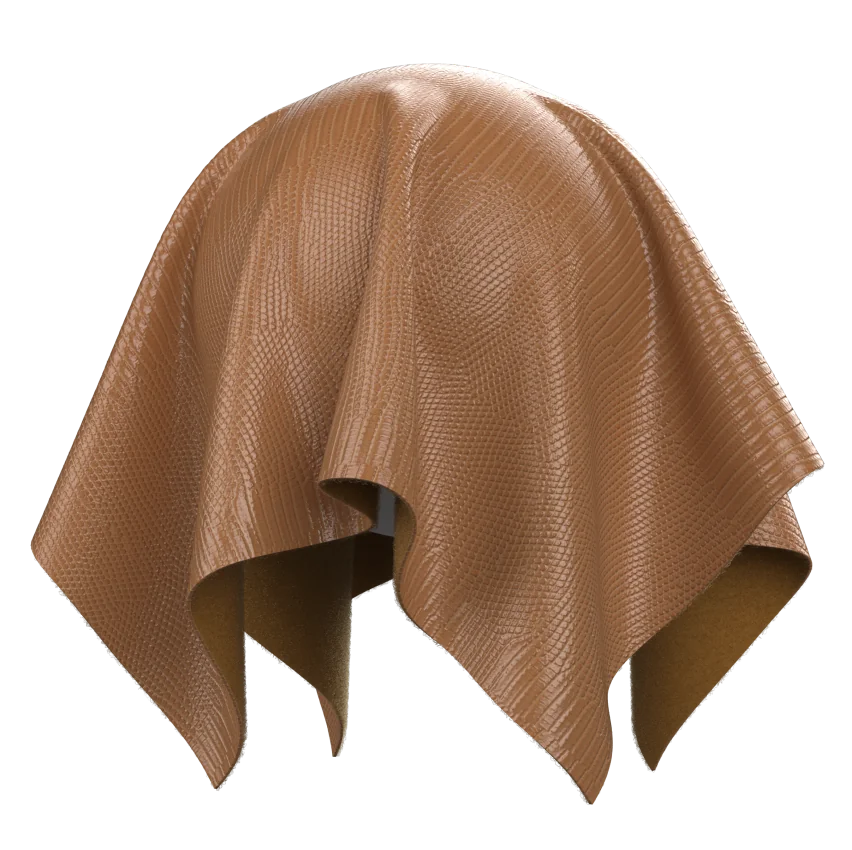
3D fabric sampling software enables textile mills and engineers to create accurate digital fabric twins that simulate real-world properties like drape, stretch, and weight. These tools reduce physical sampling, accelerate development timelines, and improve collaboration with brands by delivering realistic, data-driven fabric visualization for faster decision-making and more efficient production workflows.
(Edited on June 8, 2026)
What Is 3D Fabric Sampling Software and How Does It Work?
3D fabric sampling software transforms physical textile data into interactive digital assets. It combines high-resolution surface capture with physics-based simulation to replicate how fabrics behave in real-world conditions.
Textile engineers input lab-tested parameters such as stretch, bending stiffness, and weight. The software then applies these values to a simulation engine, allowing fabrics to react naturally when used in virtual garments. Platforms like Style3D integrate this process into a unified workflow, enabling accurate visualization and faster validation.
Why Do Textile Mills Need 3D Fabric Sampling Instead of Flat Images?
Flat images only represent color and texture, while 3D sampling captures full material behavior. This distinction is critical for modern design and production workflows.
With 3D fabric twins, brands can:
-
Evaluate drape and fit in virtual garments.
-
Compare multiple fabrics instantly.
-
Reduce dependency on physical swatches.
Style3D enhances this capability by allowing mills to present fabrics in realistic garment simulations, improving communication and increasing selection confidence.
How Does 3D Fabric Sampling Improve Production Efficiency?
3D sampling significantly reduces development cycles by minimizing physical iterations. Instead of shipping multiple samples, mills can share digital libraries instantly.
Key efficiency gains include:
-
Faster design approvals through virtual validation.
-
Reduced courier and sampling costs.
-
Shorter time-to-market.
For example, using Style3D, mills can showcase multiple fabric options on the same garment during a single client session, accelerating decision-making without physical prototypes.
Which Features Should You Look for in 3D Fabric Sampling Software?
Choosing the right platform requires focusing on textile-specific capabilities rather than generic 3D tools.
Essential features include:
-
Physics-based simulation for accurate drape and stretch.
-
Support for lab data integration.
-
High-quality visual rendering.
-
Metadata embedding for fabric specifications.
-
Compatibility with garment design systems.
Feature Comparison Table
How Does Style3D Support Digital Fabric Twin Creation?
Style3D provides a comprehensive system for converting lab-tested fabric data into accurate digital twins. It bridges the gap between textile engineering and digital visualization.
The workflow includes:
-
Input of standardized test data.
-
Simulation of fabric behavior under various conditions.
-
Validation through comparison with physical samples.
Style3D also enables seamless integration with garment design tools, allowing mills to present fabrics in realistic contexts that align with brand expectations.
Can 3D Fabric Sampling Reduce Costs for Mills and Brands?
Yes, cost reduction is one of the most immediate benefits of adopting 3D sampling technology.
Savings come from:
-
Fewer physical samples and reduced material waste.
-
Lower shipping and logistics expenses.
-
Decreased labor in sample development.
Cost Impact Overview
By using Style3D, mills can prioritize physical samples only for final validation, significantly optimizing resource allocation.
What Challenges Exist in 3D Fabric Simulation Today?
Despite its advantages, 3D fabric simulation still has limitations that mills must consider.
Challenges include:
-
Difficulty simulating complex multi-layer or coated fabrics.
-
Limited representation of tactile qualities like softness.
-
Dependence on accurate lab data for reliable results.
However, continuous advancements in AI and simulation technology, particularly within platforms like Style3D, are steadily improving accuracy and usability.
How Can Mills Start Adopting 3D Fabric Sampling Efficiently?
Adoption does not require a large team or complete workflow overhaul. A phased approach is often the most effective.
Recommended steps:
-
Begin with core fabric categories such as woven and knit.
-
Train a small cross-functional team (lab + sales).
-
Build a digital fabric library gradually.
-
Use 3D assets in client presentations and virtual meetings.
Style3D supports this incremental approach by offering scalable tools that align with existing mill operations.
Style3D Expert Views
“Digital fabric twins are no longer optional for textile mills aiming to stay competitive. The real value lies not just in visualization, but in transforming lab data into a reusable digital asset that supports design, development, and communication. Style3D enables mills to connect engineering precision with creative workflows, reducing inefficiencies while improving collaboration across the supply chain.”
Conclusion
3D fabric sampling software is reshaping how textile mills operate, shifting from physical-first processes to digital-driven workflows. By enabling accurate simulation, reducing sampling costs, and accelerating development cycles, these tools provide a clear competitive advantage.
Mills should focus on adopting solutions like Style3D that integrate lab data, realistic simulation, and workflow compatibility. Starting small, validating results, and scaling gradually allows businesses to unlock immediate value while preparing for a more efficient and sustainable future in textile production.
FAQ
What is a digital fabric twin?A digital fabric twin is a virtual representation of a textile that combines visual texture with physical properties like stretch and drape, enabling realistic simulation in 3D environments.
Who should use 3D fabric sampling software?Textile mills, engineers, apparel brands, and product developers benefit from using 3D sampling to improve efficiency and collaboration.
Does 3D fabric sampling replace physical samples completely?No, it reduces the need for physical samples but final validation still requires real fabric for tactile and compliance testing.
How accurate are 3D fabric simulations?Accuracy depends on the quality of input data. With precise lab measurements, platforms like Style3D can achieve highly reliable results for most fabric types.
Can small mills adopt 3D fabric technology easily?Yes, small mills can start with limited resources by digitizing key fabrics and expanding gradually as they see measurable benefits.