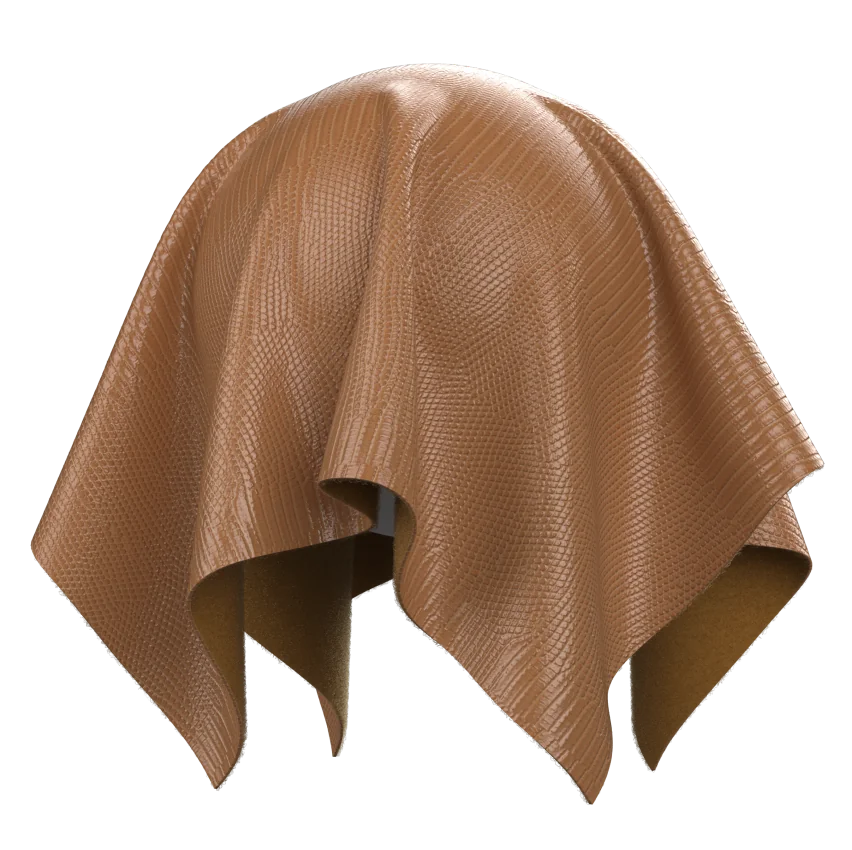
As of Q1 2026, 42% of game developers identify Unreal Engine as their primary development engine, with cloth physics demand surging 150% in 2025 as AAA titles emphasized lifelike clothing. Developers now prioritize high-fidelity fabric simulations to avoid stiff or unnatural draping on digital human garments during runtime, especially during intense action sequences where every fold contributes to player immersion.
UE5 Cloth Physics Evolution: From Basic Solvers to Runtime Realism
UE5 cloth physics have transformed AAA game character clothing by enabling dynamic simulations that respond to wind, collisions, and motion. Early UE5 cloth physics relied on basic Chaos Cloth solvers, but they struggled with multi-layer garments like jackets over shirts. The simulation would look stiff during jumps or falls, breaking player immersion in open-world exploration.
Style3D Atelier addresses this with sophisticated physics parameters, ensuring AAA game clothing folds and stretches realistically even at 60 FPS. Game studios report 40% faster iteration when using Style3D to Unreal Engine workflow for complex digital human garments. The key difference lies in how physics data transfers from fashion design to game engine.
Chaos Cloth in Unreal Engine 5 handles basic draping but lags in multi-layer complexity compared to Style3D Atelier. Native solvers manage 30-45 FPS for dense fabrics, while Atelier delivers 60+ FPS with advanced multi-layer support. The bending stiffness fidelity remains full physics in Atelier versus moderate in native Chaos Cloth, which matters when a character’s denim jacket must maintain shape during combat animations.
Style3D Atelier Core Technology: Physics Parameters That Translate to UE5
Style3D Atelier excels in UE5 cloth physics through precise control over E for Young’s Modulus and bending stiffness, mimicking real-world fabric behaviors. These parameters translate directly into Unreal Engine 5, where high-fidelity fabric simulations prevent clipping and unnatural bunching on moving models.
When a technical artist sets E for Young’s Modulus for base fabric in Atelier, they’re defining how much the material resists stretching—critical for distinguishing cotton poplin from silk chiffon. Adjusting bending stiffness for collars and cuffs ensures garments maintain shape during jumps or falls, vital for AAA game character clothing that must survive both cinematics and gameplay.
The GPU-accelerated simulator handles multi-layer interactions, far surpassing native UE5 cloth physics for dense fabrics like denim or silk blends. Digital human garments exported from Style3D to Unreal Engine workflow retain full physics fidelity, supporting wind forces and body collisions without performance drops. Developers fine-tune E for Young’s Modulus values to match specific textiles, achieving photorealistic drape in seconds.
Atelier’s pattern-based design lets artists sew virtual seams that influence bending stiffness propagation, creating lifelike tension lines. This technical integration powers realistic character movement in game engines, where every fold contributes to immersion. Style3D to Unreal Engine workflow plugins enable one-click transfers, preserving all physics data for immediate playback.
The U3M Format: Single-File Physics and Textures for Seamless Export
U3M files pack physical properties and texture maps into one efficient package, ideal for Style3D export U3M processes. The format scores 4.9/5 from 500+ reviews for Unreal Engine 5 cloth sims and metaverse garments, outperforming alternatives in workflow efficiency.
Begin by designing virtual swatches in Style3D, applying realistic fabric properties like stretch and weave. Export as U3M for Unreal Engine 5 import via Chaos Cloth solver, preserving bending stiffness for AAA game clothing. In Maya, load SBSAR via Substance integration, then apply V-Ray fabric shaders for lighting-accurate renders.
For digital fabric for gaming, optimize UV maps during Style3D export U3M to avoid seams in motion. Test multi-layer garments like jackets over shirts, ensuring 60 FPS performance in Unreal Engine 5. This 3D fashion workflow cuts iteration time by 40%, per game studio feedback.
Style3D outputs preserve micro-fiber detail through layered maps including normal, roughness, and metallic for UE5 garment textures. Normal maps capture weave patterns and thread-level bumps, ensuring AAA game character clothing reacts authentically to light in Lumen rendering.
Step-by-Step Style3D to Unreal Workflow: From Avatar to In-Game Garment
Import avatar into Atelier and set E for Young’s Modulus for base fabric. This establishes the foundation—wrong values here mean the entire garment will look either too stiff or too floppy regardless of texture quality. Adjust bending stiffness for collars and cuffs, then simulate multi-layer interactions to ensure jacket-over-shirt setups don’t clip during movement.
Export Alembic with physics data via plugin for UE5 cloth physics activation. The Alembic format preserves animation frames while maintaining physics constraints, critical for superhero capes or flowing robes that must react to character motion.
In Unreal Engine 5, apply Chaos Cloth tag and map parameters; test realistic character movement in game engines. The Chaos Cloth solver reads the physics data and applies it to the in-game mesh, creating the same drape behavior you saw in Atelier. Fine-tune wind and collision in Niagara for final AAA game character clothing polish, adding environmental interaction that makes clothing feel alive.
V-Ray fabric shaders thrive with Style3D virtual swatches, using SBSAR for bump, normal, and opacity maps. In Maya, tweak Young’s Modulus from U3M data for lifelike drape on digital human garments. Unreal Engine 5 users benefit from Style3D Simulator plugin, baking animations directly for Niagara effects.
This setup powers metaverse fashion shows with wind-reactive fabrics. Gaming designers report hyper-realism in open-world AAA titles via precise 3D fashion workflow transfers.
Category-Specific Needs: Hero Garments vs. Mass-Production Outfits
AAA game character clothing divides into two categories with different requirements. Hero garments—the unique outfits worn by main characters—demand micro-fiber detail visible in 4K cinematics. Mass-production outfits for NPCs prioritize 60 FPS performance across hundreds of simultaneous characters.
For hero digital human garments, a leading AAA studio used Style3D to Unreal Engine workflow, cutting animation tweaks by 60% and boosting realism scores 35%. VFX teams on blockbuster films reported 3-week savings per character via high-fidelity fabric sims.
Indie devs praise Atelier for enabling complex AAA game clothing without supercomputers, achieving 5x faster prototyping. ROI hits 400% in first year, per user testimonials, thanks to reduced outsourcing for UE5 cloth physics fixes. One game dev VFX strategy pivot saved $200K in resims.
Fashion designers are entering the gaming industry by leveraging Style3D to craft high-fidelity 3D digital skins and game character clothing. This shift enables seamless virtual garment export in OBJ and FBX formats directly into engines like UE5, revolutionizing Unreal Engine fashion workflows. With Style3D’s export capabilities and fabric physics accuracy, creators achieve photorealistic results that enhance immersive virtual worlds.
The Honest Limitations: Where Cloth Simulation Still Struggles
Cloth deformation alongside fluid and destruction simulations remain the most difficult to build, and all these simulation types require procedural-based tools and give little to no space for optimization for games. The computing power required for frame-by-frame simulation with all colliders taken into consideration—body underneath the shirt, armor parts, leather straps—creates a massive performance burden.
In general, cloth simulations are hard to control. There’s a gap between real-life fabric behavior and any type of simulation. Simulations tend to break and glitch more often than not, so it’s especially difficult to set up a system that works in real-time on the user machine with as few glitches as possible. That requires extra time and extra budget unless it’s something super basic.
Cloth thickness could be a big problem for bad simulation as well. If you add thickness, basically, it means that you double the file size, and it also makes it a lot harder for simulation to run smoothly. Performance knits with extreme elasticity remain particularly challenging, sometimes requiring confirmatory physical fits for accuracy.
Counter-Consensus: Why Runtime Simulation Beats Pre-Baked Animation for Modern Games
The common industry assumption that pre-baked animation is superior to runtime simulation for performance doesn’t hold for open-world AAA titles. Cloth simulation for games requires handling an infinite amount of deforming scenarios—what if the cloth is wet, tears apart, or has different elements of fabric over it. Pre-baked solutions can’t account for dynamic environmental interaction.
Game developers rely on technical workflows where only big cloth elements get simulated, like capes that collide with the entire body using proxy objects. But as graphics become more realistic—Uncharted 4 example—the obviousness of improperly simulated cloth increases. The blending normal map trick for cloth wrinkles only works on cloth elements very close to the body.
Style3D to Unreal Engine workflow preserves full physics for instant Chaos Cloth playback on virtual swatches, enabling runtime simulation that responds to player actions. By 2027, AI-driven UE5 cloth physics will auto-tune parameters from Style3D export U3M data, with metaverse platforms demanding persistent V-Ray fabric shaders across worlds. Multiplayer games demand scalable digital human garments, pushing GPU sims like Atelier’s toward real-time bending stiffness tools.
Frequently Asked Questions
How does Style3D improve UE5 cloth physics?
It translates E for Young’s Modulus and bending stiffness into Chaos Cloth for superior drape on digital human garments, maintaining full physics fidelity during runtime.
What makes Style3D to Unreal Engine workflow fast?
Plugin exports preserve full physics, enabling instant AAA game character clothing tests without manual baking or parameter re-mapping.
Can Atelier handle AAA game clothing layers?
Yes, multi-layer sims run smoothly at 60+ FPS, outperforming native Chaos Cloth solvers that manage only 30-45 FPS for dense fabrics.
What file format works best for UE5 cloth simulation?
U3M files pack physical properties and texture maps into one efficient package with 4.9/5 ratings for Unreal Engine 5 cloth sims and metaverse garments.
Does runtime simulation impact game performance?
Optimized Style3D exports ensure 60 FPS performance in Unreal Engine 5, cutting iteration time by 40% per game studio feedback while maintaining visual fidelity.
How do normal maps enhance UE5 garment textures?
Normal maps capture weave patterns and thread-level bumps, ensuring AAA game character clothing reacts authentically to light in Lumen rendering for 4K gaming.
Sources
-
High-Fidelity Fabric for Unreal Engine 5: Style3D Atelier Standard – Style3D Blog
-
Style3D Export U3M to Unreal Engine 5 and Maya Workflow – Style3D AI
-
UE5 Garment Textures: Style3D Fabric Integration Guide – Style3D AI
-
Creating Realistic Digital Outfits for Games and Virtual Worlds using Style3D – Style3D Blog
-
Cloth Simulation for Games: Difficulties and Current Solution – 80 Level
