3D Fashion Asset and Material Library Guide
Build reusable libraries with clear ownership, reliable metadata, and controlled revisions.
Discover Style3D Fabric ↗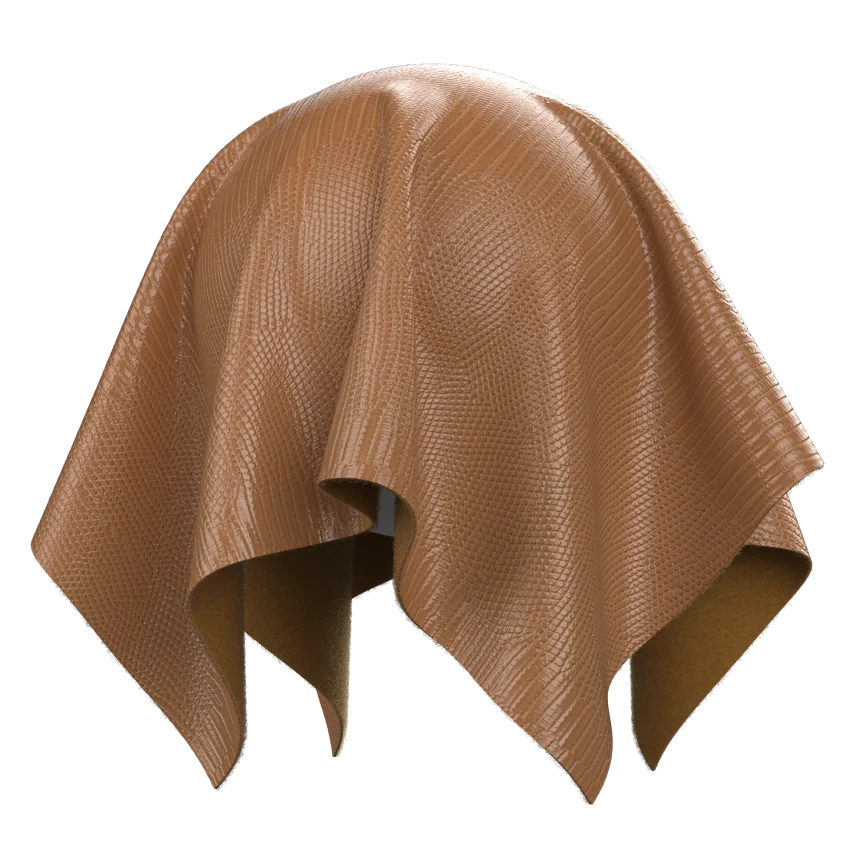
A shared folder is not yet a dependable digital asset library. Designers need to know what an asset represents, whether it is suitable for the next task, and which version has been reviewed. Technical teams need enough context to reproduce the result, while suppliers need controlled access to the right information. This guide connects asset-management, fabric-library, digital-twin, and long-term maintenance questions. Start with a small collection that people can trust. Expand only after naming, ownership, validation, and retirement rules work in everyday use. The goal is repeated, confident reuse rather than the largest possible count of uploaded files.
Define an asset record that answers the next question
Store enough context to judge whether an asset is suitable for use. A thumbnail and filename rarely explain provenance, approval, rights, or physical validity.
Identify the decisions the library should support: concept exploration, material selection, virtual sampling, or a supplier handoff. Require the fields needed for those decisions and avoid unnecessary administration. A useful minimum includes a stable identifier, owner, source, revision, intended use, and approval state. Material records may need measurement conditions and a link to the physical reference. Keep previews easy to browse, but make the supporting data accessible so a visually appealing asset is not mistaken for a validated technical input.
- What Is 3D Asset Management? Complete Guide 2026
- How Does Digital Asset Management Transform Fashion and Apparel
- What Is 3D Fashion Asset Cloud Collaboration And Why Use It
- How Does Cloud Storage Support 3D Fashion Assets
- What Is A Fashion Asset Cloud Platform And Its Benefits
- What Asset Management Systems Streamline Pre-Production
Separate appearance from measured material behavior
A convincing texture does not establish how a fabric stretches, bends, or drapes. Keep visual assets and physical-property evidence connected but distinguishable.
When building a fabric library, specify how measurements are captured and who verifies the result. Record the source material and relevant conditions so later users can understand the limitations. A swatch created from an image may be useful for concept work without being suitable for fit or simulation decisions. Test representative materials in the intended workflow and retain the link to physical samples where necessary. Do not allow an attractive preview to silently promote an experimental material into an approved production reference.
- How Can Designers Create a Custom Swatch Library From Any Image
- How Does a Cloud-Based Digital Fabric Library Transform Fashion Design
- How Does AI Revolutionize Digital Fabric Libraries for Fashion Designers
- Why Should Fashion Brands Adopt Cloud Fabric Libraries for Global Design Efficiency
- How Can Fabric Library Management Software Transform Fashion Workflows Efficiently
- What Is the Best Digital Fabric Library Tool for Fashion Designers Today
Make reuse safe through revision and approval states
Reuse depends on knowing what changed and which version was approved. Preserve prior revisions when they explain an earlier product decision.
Define a lifecycle such as working, reviewed, approved, and retired, with an owner for each transition. Keep reusable patterns, garments, and materials connected to the projects that used them. A replacement should not erase the evidence behind an earlier approval. Decide whether updates flow automatically or require review by consuming teams. For artwork and generated variations, retain provenance and rights information. This creates a library that supports learning and repeatability rather than a collection in which the newest upload is assumed to be the best choice.
- How Can You Build Reusable 3D Fashion Asset Libraries for Faster Design Iteration
- Can a Digital Pattern Library and Modular Design Transform Your Fashion Brand
- AI Artwork Versioning for Fashion Teams and Digital Workflows
- What Is a Digital Twin of Textile Fabric in 3D Fashion
- Digital Twin Innovations Transforming the Fashion and Consumer Economy
- How Do Digital Twins in Fashion Improve Collaboration Across Global Teams
Give each team the access it actually needs
Organize sharing around responsibilities and project boundaries. A collaborator may need a preview or approved export without access to the entire working library.
Map internal users, external suppliers, and temporary partners before defining permissions. Explain who can create, edit, approve, download, and retire assets. Check access when a project ends or a person changes roles. Multi-brand and multi-tenant arrangements also need a clear rule for shared reference assets and private work. Security claims should be verified against the real deployment. The library owner should be able to explain not just where a file is stored, but why a particular person can use it.
- How Do You Set Up a Multi-Tenant Cloud Fashion Asset Hub
- Cryptographic Cloud Revision Logs for Fashion Design IP Protection
- Secure Fashion Cloud Data Sovereignty for Global Apparel Leaders
- Enterprise Fashion Cloud Scalability for Multi‑Brand CIOs
- How Do You Prevent Cloud Asset Library Fragmentation in Fashion
Maintain the library when tools and teams change
Treat upgrades and metadata changes as library maintenance events. Reusable assets can lose meaning or reliability even when their files remain intact.
Keep a representative validation set and retest it when an authoring tool, rendering engine, or simulation version changes. Track which assets need review instead of assuming an upgrade preserves every result. Check for missing owners, inconsistent terms, broken source references, and duplicate materials. Plan how assets are archived and restored. A long-term library budget should include stewardship, migration, and validation, not only storage. It is better to keep a smaller maintained collection than a large library whose users must recheck everything from scratch.
- Enterprise Fashion Cloud Maintenance for 3D Data Scaling
- Enterprise File Vault Scaling for High-Resolution Studio v8.0
- Metadata Governance for Global Simulation Solver Libraries for Fashion Brands
- Preventing Simulation Library Degradation Over Engine Upgrades
- Enterprise Digital Fashion Library: 5-Year Technology Plan
- Multi-Year Maintenance Roadmap for Commissioned 3D Asset Libraries
- Why Metadata Drift Happens in Fashion Asset Libraries
Measure reuse by successful decisions, not upload volume
A library creates value when people find and reuse an appropriate asset with less uncertainty. Count successful reuse and avoided rework alongside search activity.
Choose a bounded garment or material family and observe how users select assets for actual projects. Record search failures, duplicate creation, missing metadata, and incorrect reuse. Ask technical reviewers whether the library provides sufficient evidence for the intended decision. Use those findings to improve the schema and training before expanding the collection. Claims about reduced sampling costs require a defined baseline and comparable work. Keep physical validation where needed and report limitations clearly rather than promising a fixed saving from digitization alone.
A practical acceptance checklist
Before adopting the next workflow, agree what would count as a successful result. Use the same representative style and the same required decision when comparing alternatives. That keeps the review focused on useful evidence instead of presentation quality.
Identity and ownership
Can everyone identify the asset, revision, source record, and person responsible for the next decision? Check what happens when the owner is unavailable or a supplier needs clarification.
Evidence and validation
Is the information suitable for the intended task, and are its limits clear? Record the physical checks, technical reviews, or contractual evidence that still need to be supplied.
Change and recovery
Can the team handle a revision, revoke inappropriate access, and recover from a failed handoff? A dependable process must work beyond the easiest demonstration.
Frequently asked questions
What belongs in a digital fabric record?
Include a stable identity, source, revision, owner, intended use, and approval state. Add the visual and physical information required by the intended simulation or sourcing decision.
Can a fabric image become a validated digital material?
An image can support appearance work but does not by itself supply measured physical behavior. Validate any additional properties against appropriate source data and the intended application.
Should an old asset be deleted after an update?
Not when it is needed to explain a previous decision or reproduce a result. Retire or archive it according to the retention policy while making the current approved version clear.
How can a team prevent duplicate libraries?
Agree shared identifiers and ownership, then define how project libraries consume approved reference assets. Regularly review duplicates and missing metadata before adding more automation.
How often should assets be revalidated?
Use risk and change as the triggers: new tooling, engine updates, material changes, or a new intended use. Maintain a representative test set rather than assuming a fixed calendar alone is sufficient.
Continue with Style3D
Style3D Cloud
Explore digital asset sharing and collaboration.
Explore →Style3D Fabric
Explore fabric digitization and material workflows.
Explore →All Style3D Guides
Find the next decision in your workflow.
Explore →PLM and collaboration overview
Connect the specialist topic to the wider workflow.
Explore →Product information: Style3D Cloud and Style3D Fabric on the official main site. Confirm deployment-specific features and requirements with the product team.
Discuss your digital workflow ↗